
Diplomatic Tensions Peak as Strait of Hormuz Remains Closed

Tehran, Iran / Washington, D.C., USA – May 2, 2026
The global political landscape has entered a period of unprecedented volatility as the closure of the Strait of Hormuz enters its second week, creating a diplomatic impasse that threatens to reshape international alliances.
What began as a localized naval dispute has rapidly escalated into a full-scale geopolitical confrontation involving the world’s major powers.
As of today, May 2, 2026, the vital maritime artery remains restricted, effectively stalling one-fifth of the worlds daily oil consumption and forcing a high-stakes game of brinkmanship between Tehran and Washington.
The international community is watching with bated breath as emergency sessions at the United Nations fail to yield a de-escalation agreement.
While the official reason cited for the maritime restriction involves security concerns and unauthorized naval incursions, the underlying reality is a sophisticated struggle for regional hegemony and economic leverage.
The closure has not only disrupted energy markets but has also tested the structural integrity of existing security pacts across the Middle East and Europe.
Headline Analysis of the International Crisis
Strategic Deadlock:
High-level diplomatic cables indicate that neither side is willing to blink, with naval assets from multiple nations currently positioned in the Gulf of Oman.
Global Economic
Shockwaves: Energy prices in Europe have seen a fourteen percent increase in forty-eight hours, prompting emergency rationing discussions in several capitals.
Security Council Paralysis:
Veto-wielding members remain divided on a resolution, highlighting the deepening rift between Eastern and Western blocs in the 2026 political era.
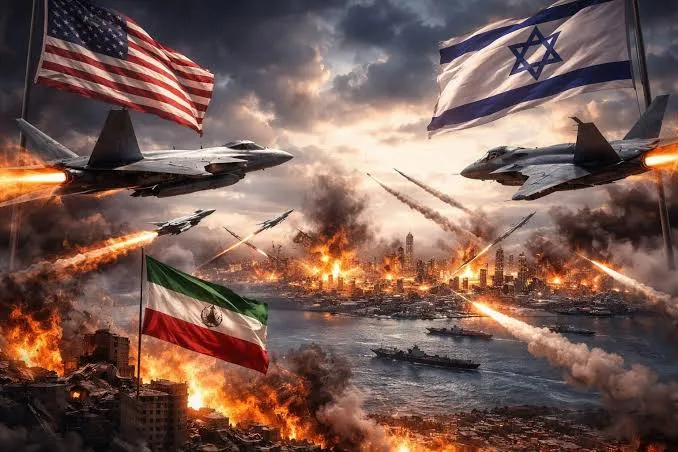
Naval Posturing:
The presence of advanced drone swarms and hypersonic missile batteries along the coastlines has made traditional maritime escort missions nearly impossible.
The Evolution of Modern Diplomacy and Conflict
In this era of rapid technological advancement, the nature of political conflict has shifted from traditional land-based disputes to the control of digital and maritime corridors.
The current situation in the Strait of Hormuz is a prime example of how a physical blockade is being leveraged alongside a massive disinformation campaign.
Intelligence reports analyzed by CJ Global suggest that the closure is being supported by a complex network of non-state actors and regional proxies, complicating the efforts of traditional diplomats to find a singular point of negotiation.
Furthermore, the role of emerging economies in this crisis cannot be understated. Nations that were once peripheral to Middle Eastern diplomacy are now taking center stage as mediators, driven by their own desperate need for energy stability.
This shift indicates a broader transition toward a multipolar world order where the traditional influence of the West is being openly challenged by new configurations of power.
Advertising with CJ Global
ensures that your brand is positioned alongside the most critical and rational analysis of these global shifts. In a world where news is often clouded by emotion and bias, our commitment to presenting the facts as they are provides a grounded perspective for decision-makers and the global elite.
Political Strategy and the New Global Order
As the sun sets over the Persian Gulf tonight, the silence in the strait is a deafening reminder of the fragility of the modern global system.
The reliance on a single geographic point for the survival of the global economy is a strategic vulnerability that is now being exploited to its fullest extent.
Behind the closed doors of the Situation Room in Washington and the Supreme National Security Council in Tehran, the discussions are no longer just about oil; they are about the fundamental rules of international engagement for the remainder of the decade.
The New Global Constitution, as proposed in recent scholarly works, emphasizes the need for a leadership governance that transcends these localized disputes for the sake of global stability.
However, until such a framework is universally adopted, the world remains at the mercy of individual national interests and the volatile nature of twentieth-century geopolitical structures.
Castle Journal Ltd
British company for newspapers and magazines publishing
London-UK – licensed 10675
Founder | Owner| CEO
Abeer Almadawy
Abeer Almadawy is a philosopher who established the third mind theory research and the philosophy of non-self and trans egoism. She is also the author of the New Global Constitution for the leadership Governance 2030/2032. She has many books published in English, Arabic, Chinese, French and others.
Castle Journal newspapers are the only voice and the brain of the world leadership governance.

