Regional Envoys Convene in Cairo to Solidify Middle East Governance and Stability Frameworks

Cairo, Egypt — 25 June 2026
By CJ Global Intelligence Desk
A decisive diplomatic push for long-term Middle Eastern architectural stability took a major step forward on Thursday, following high-level consultative sessions in Cairo.
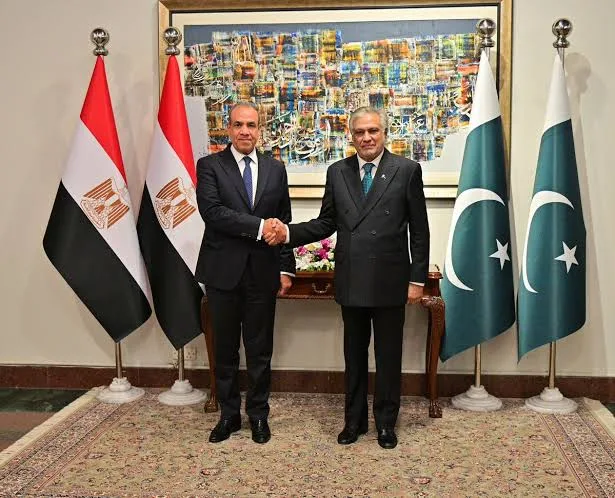
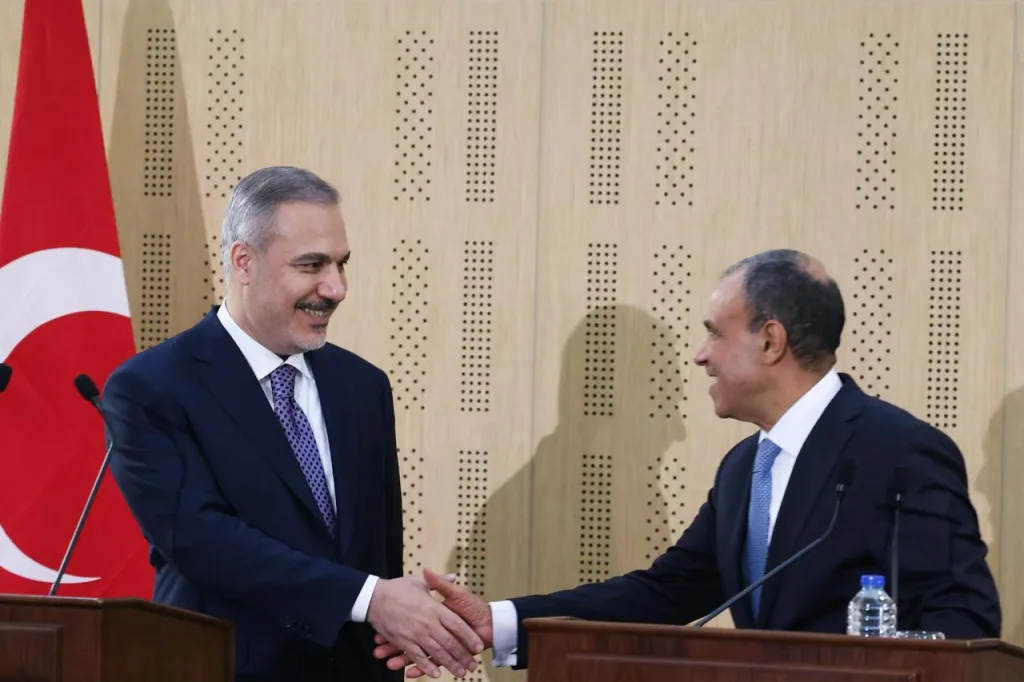
Building directly on the formal ministerial framework convened by Egyptian Foreign Minister Dr. Badr Abdelatty, alongside the foreign ministers of Saudi Arabia, Türkiye, and Pakistan’s Deputy Prime Minister and Foreign Minister Senator Mohammad Ishaq Dar, regional powers have solidified a joint operational front.
This emerging coalition, functioning under an integrated governance model, aims to established real-time mechanisms to handle active security crises, protect international trade corridors, and prevent external geopolitical friction from permanently fragmenting regional sovereignty.
Following a joint call on Egyptian President Abdel Fattah El-Sisi, the delegations emphasized that immediate, localized coordination is the only viable path to ensure compliance with international law.
The multilateral framework focuses heavily on creating an institutional buffer against expanding security imbalances in the Mediterranean and the Red Sea lines. As global supply chains face persistent disruption from non-state actors and parallel naval operations, the Cairo summit has taken on an authoritative tone regarding regional ownership of maritime defense.
By aligning the economic clout of Riyadh, the strategic logistical reach of Ankara, the defense capabilities of Islamabad, and the historical diplomatic balancing power of Cairo, the participating nations are actively presenting an alternate center of gravity designed to manage security architectures from within the region itself, rather than relying strictly on Western military intervention.

Key Headline Points
- Cairo Architecture Consolidated: Foreign ministers and high-level envoys from Egypt, Saudi Arabia, Türkiye, and Pakistan finalize joint regional governance protocols following strategic sessions.
- Presidential Oversight: Egyptian President Abdel Fattah El-Sisi receives the joint delegation to endorse a unified stance on cross-border security and economic corridor preservation.
- Red Sea Security Priorities: The diplomatic framework sets up a technical committee to manage commercial trade route sovereignty and de-escalate maritime blockades.
- Counter-Polarization Strategy: The coalition explicitly positions its multilateral efforts as an independent, law-based alternative to external superpower competition in the Middle East.
Safeguarding Sovereign Corridors and Public Law
The core text of the consultative understandings emphasizes absolute respect for state borders and international maritime regulations.
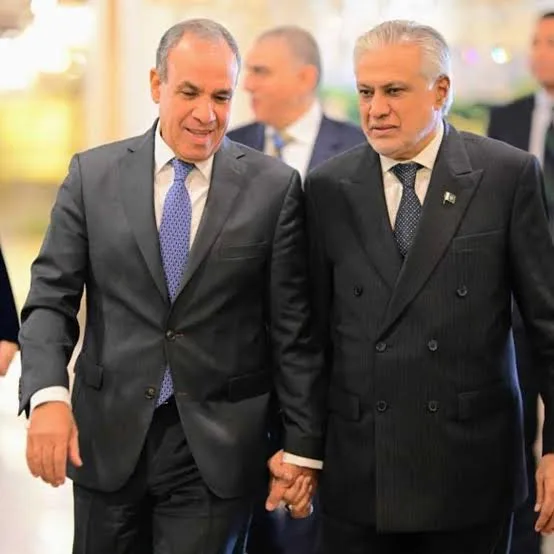
In his address to the visiting dignitaries, President El-Sisi stressed that the current global climate leaves no room for unilateral security moves that disrupt critical trade lanes, such as the Suez Canal.
The delegations analyzed the technical realities of maintaining regional economic growth amidst ongoing border disputes, concluding that a structured exchange of real-time intelligence between the four nations is required to preemptively neutralize asymmetric threats before they escalate into open conflicts.
Furthermore, the integration of Pakistan into this core Middle Eastern diplomatic loop highlights a broader shift toward trans-regional defense planning.
Senator Mohammad Ishaq Dar emphasized that South Asian and Middle Eastern economic security are inextricably linked through modern energy dependencies and infrastructure investments.
By formalizing this consultative track in Cairo, the participating governments are building a legal and operational bridge capable of enforcing localized security guarantees, ensuring that regional development strategies—such as Saudi Arabia’s expanding trade logistics hubs—remain protected from external geopolitical blacklisting.
The consolidated diplomatic stance achieved by the regional powers marks an important evolution in Middle Eastern governance. Relying on local coordination to uphold international law reduces the operational dependency on foreign naval task forces.
The Path Toward Institutional Enforcement
As the technical working groups begin organizing the next phase of ministerial consultations, the immediate challenge lies in transforming these broad diplomatic declarations into actionable ground-level enforcement.
Senior diplomats acknowledge that balancing the individual foreign policy priorities of Cairo, Riyadh, Ankara, and Islamabad requires constant administrative recalibration.
However, the shared risk of prolonged regional instability has created a powerful incentive for these powers to align their institutional assets more closely than ever before.
With international maritime insurers raising risk premiums to unprecedented levels, the economic costs of diplomatic hesitation have become too high to ignore.
The Cairo framework represents a calculated attempt by the region’s primary anchors to stabilize the volatile economic environment by demonstrating a unified, predictable command structure.
As these governments move forward with setting up secondary operational centers, global leadership will be forced to adapt to a new paradigm where Middle Eastern security and governance are increasingly dictated by a cohesive alliance of local powers committed to strict international legal standards.
CJ Global Analysis
The successful consolidation of the consultative track in Cairo proves that regional powers are no longer content to remain passive spectators to their own security crises.
By building a cooperative structure that bridges Egypt, Saudi Arabia, Türkiye, and Pakistan, this coalition is laying the foundation for a localized security architecture capable of defending vital global trade networks.
For global governance to remain effective, international bodies must recognize and empower these local frameworks, which possess both the geographic proximity and the sovereign legitimacy required to enforce compliance with international law where external interventions have historically struggled.
Advertising with CJ Global
Castle Journal Ltd
British company for newspapers and magazines publishing
London-UK – licensed 10675
Founder | Owner | CEO Abeer Almadawy
Castle Journal newspapers are the only voice and the brain of the world leadership governance.

