Global Aid Mobilizes as Death Toll Rises Following Twin Earthquakes
La Guaira, Venezuela — June 29,2026
Humanitarian Emergency Intensifies: Global Aid Mobilizes as Death Toll Rises Following Twin Earthquakes
A catastrophic double seismic disaster has plunged Venezuela’s central northern coastline into a severe humanitarian crisis, provoking an urgent, large-scale deployment of international rescue operations. Following back-to-back strike-slip earthquakes measuring 7.2 and 7.5 in magnitude that tore along the San Sebastián fault system on June 24, the primary port region of La Guaira has become the focal epicenter of national devastation.
Localized emergency services have been entirely overwhelmed as the officially confirmed death toll surges past 1,430 fatalities, with tens of thousands still reported missing or trapped beneath dense structural debris. With public utilities shattered and medical facilities operating at a staggering 900% capacity, global aid organizations are racing against a narrowing tactical window to avert a secondary public health collapse.
Severe Structural Rupture Isolates the Coastal Gateway
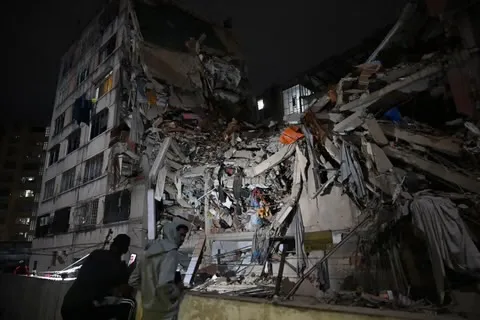
The physical destruction across the coastal state of La Guaira has fundamentally severed the region’s vital transport and logistics connectivity. Structural engineers confirmed that the greatest phase of seismic energy release occurred directly offshore, north of Catia La Mar, generating violent peak ground accelerations that leveled multiple beachfront complexes and multi-story residential towers.
Among the heavily compromised infrastructure is the Simón Bolívar International Airport in Maiquetía, the country’s primary global aviation portal.
The facility was forced into an absolute operational shutdown following a partial collapse of the main passenger terminal and severe tracking cracks along the primary runways, severely obstructing the immediate arrival of heavy international cargo planes.
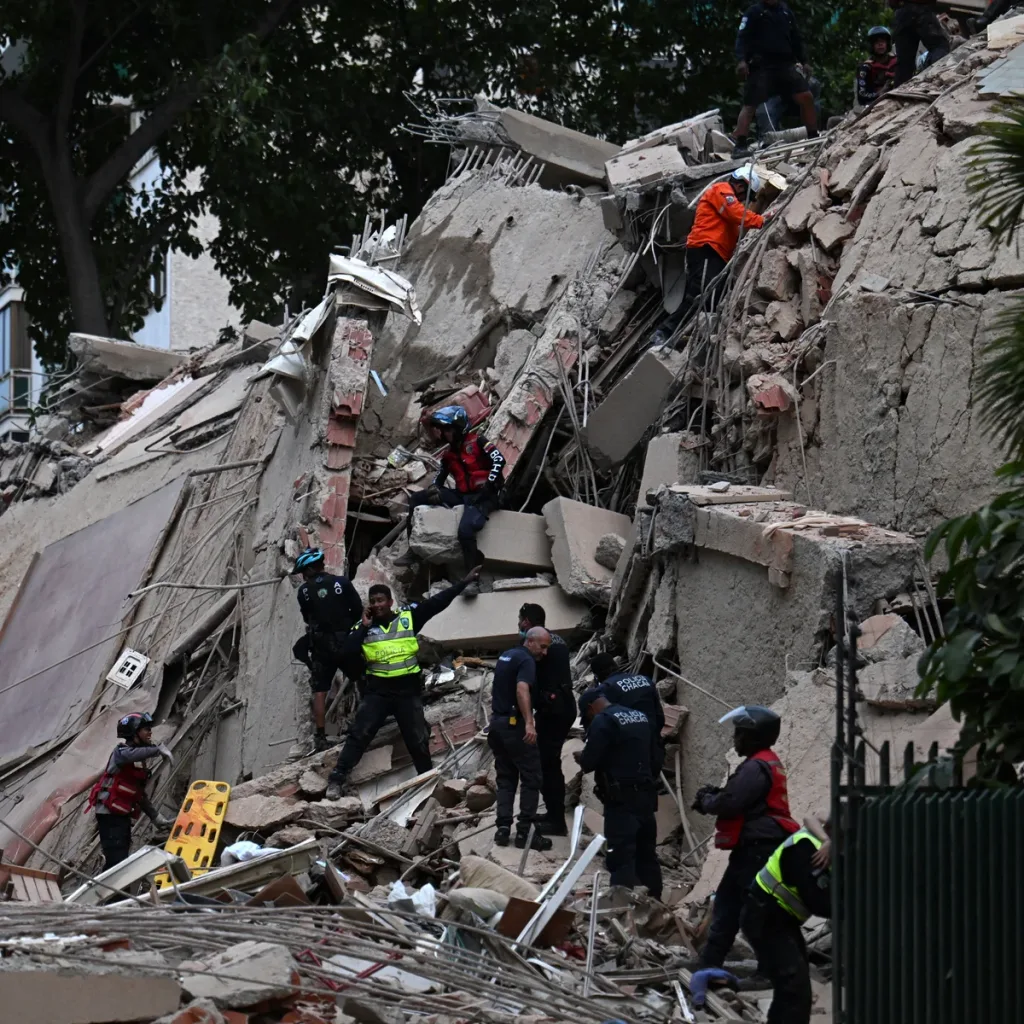
Within the municipal sectors of La Guaira, the landscape remains heavily obscured by dust and concrete debris as specialized military units and volunteer brigades conduct desperate search-and-rescue sweeps. High-density structures, including prominent coastal hospitality hubs such as Eduard’s Hotel Boutique, were entirely flattened during the 120-second doublet tremor.
Because the disaster materialized during a national holiday, a significant portion of the localized workforce was concentrated within residential quarters rather than commercial offices, sharply inflating the density of casualties within collapsed apartment complexes.
Overwhelmed Medical Systems and the Race for Clean Water
The sudden, massive influx of trauma victims has pushed local health systems to absolute saturation points. The Ministry of Health, led by Dr. Carlos Alvarado, confirmed that primary regional hospitals are enduring an unprecedented surge, functioning far beyond their structural capabilities.
Field reports indicate critical depletions of type-specific whole blood banks, essential surgical pharmaceuticals, and orthopedic trauma supplies. Compounding the medical emergency is the complete breakdown of municipal water treatment networks and electrical grids, leaving hundreds of thousands of displaced citizens without access to basic sanitation or non-contaminated drinking water.
In immediate response to the compounding threat of waterborne disease outbreaks, international non-governmental organizations, including the International Medical Corps, have initiated rapid-response deployments to the disaster zone.
Specialized humanitarian teams have begun trucking clean drinking water directly to vulnerable communal encampments while erecting mobile medical units to relieve pressure on structurally sound hospital wings.
The primary objective remains the rapid distribution of emergency hygiene kits, medical equipment, and localized psychological support networks for survivors and first responders dealing with the immense psychological trauma of the event.
Global Mobilisation and State Governance Protocols
Acting President Delcy Rodríguez has officially designated the entire coastal strip of La Guaira as a primary disaster zone, extending profound state condolences to affected families while authorizing the immediate utilization of national strategic reserves.
Due to the high concentration of multinational residents and foreign workers within the capital region, the disaster has taken on a significant international dimension.
Diplomatic missions from Brazil, Spain, Italy, China, and Portugal have confirmed the tragic loss of numerous citizens, with foreign ministries coordinating directly with Venezuelan authorities to trace hundreds of missing expatriates.
As the international community mobilizes financial and logistical assets, the United Nations Office for the Coordination of Humanitarian Affairs (OCHA) is establishing a centralized coordination hub to streamline incoming aid streams from neighboring Latin American states and European partners.
The supreme administrative challenge over the coming seventy-two hours lies in establishing secure overland transport corridors from alternative provincial airfields to ensure that heavy rescue machinery and emergency provisions reach the isolated coastal communities.
For the leadership governance of the state, managing this unprecedented natural disaster requires absolute structural transparency and flawless international cooperation to stabilize a nation reeling from its most violent seismic event in over a century.

Advertising with CJ Global
Core Analytical Insights
- The Vulnerability of Single-Gateway Logistics: The structural incapacitation of Simón Bolívar International Airport exposes a critical strategic vulnerability in Venezuela’s disaster management blueprint, demonstrating how the loss of a centralized infrastructure asset can paralyze international relief pipelines.
- The Compounding Threat of Secondary Health Collapses: With local clinical capacities surging to 900% and municipal water networks completely fractured, the immediate priority must transition from extraction to environmental sanitation to prevent widespread outbreaks of infectious disease.
- Fault-Line Engineering and Urban Density: The catastrophic failure of multi-story coastal developments north of Catia La Mar underscores an urgent, long-term requirement for rigid seismic building code enforcement along the San Sebastián fault system to mitigate future urban vulnerabilities.
Castle Journal Ltd
British company for newspapers and magazines publishing
London-UK – licensed 10675
Founder | Owner| CEO
Abeer Almadawy
Abeer Almadawy is a philosopher who established the third mind theory research and the philosophy of non-self and trans egoism. She is also the author of the New Global Constitution for the leadership Governance 2030/2032. She has many books published in English, Arabic, Chinese, French and others.
Castle Journal newspapers are the only voice and the brain of the world leadership governance.

