Ankara Diplomacy—Trump Reaffirms “Peacemaker” Readiness to End Ukraine Conflict
The Ankara Diplomacy—Trump Reaffirms “Peacemaker” Readiness to End Ukraine Conflict in Direct 90-Minute Phone Call with Putin Ahead of NATO Summit
Ankara, Türkiye — July 6, 2026
By CJ Global Diplomatic Correspondence Unit
Executive Summary: A Transatlantic Diplomatic Shockwave
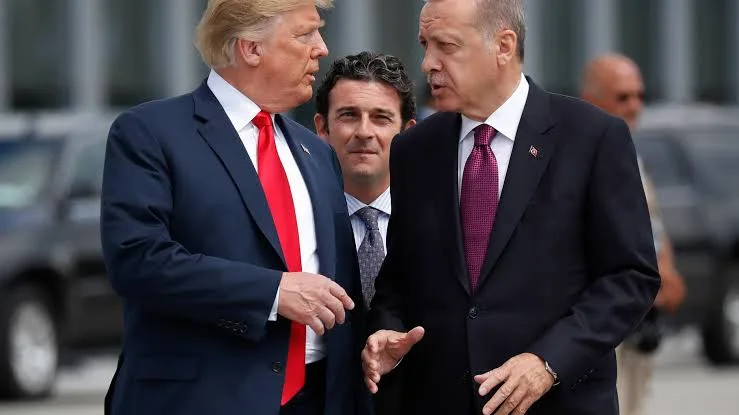
The geopolitical chessboard underwent a monumental realignment over the weekend as U.S. President Donald Trump executed a series of high-stakes, back-to-back phone calls aimed at structurally shifting the trajectory of the five-year-old war in Ukraine.
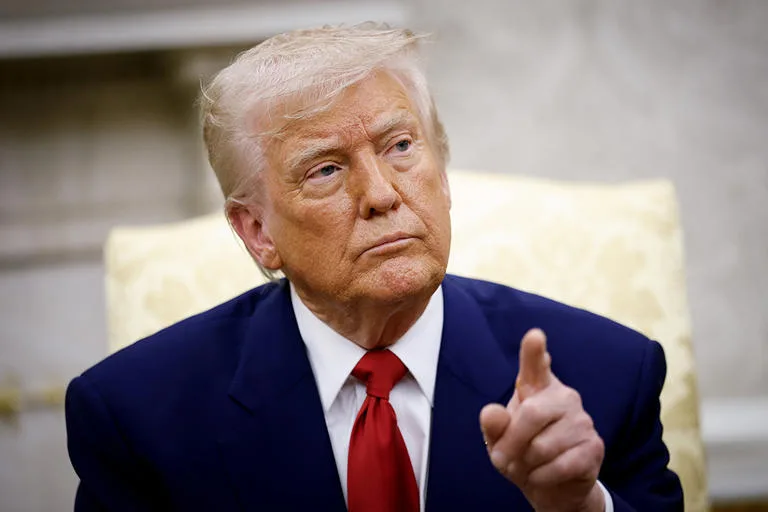
In a profound display of unilateral diplomatic intervention, President Trump engaged in a direct, 90-minute telephonic discussion with Russian President Vladimir Putin, followed by an equally critical discussion with Ukrainian President Volodymyr Zelenskyy.
Coming on the eve of the historic 36th NATO Summit at the Beştepe Presidential Compound in Ankara, these actions have effectively repositioned the United States as an active, direct mediator.
This calculated diplomatic offensive establishes a brand-new operational framework for international leadership governance, challenging traditional multilateral processes right before the North Atlantic Council convenes.
The Anatomy of the 90-Minute Washington-Moscow Dialogue
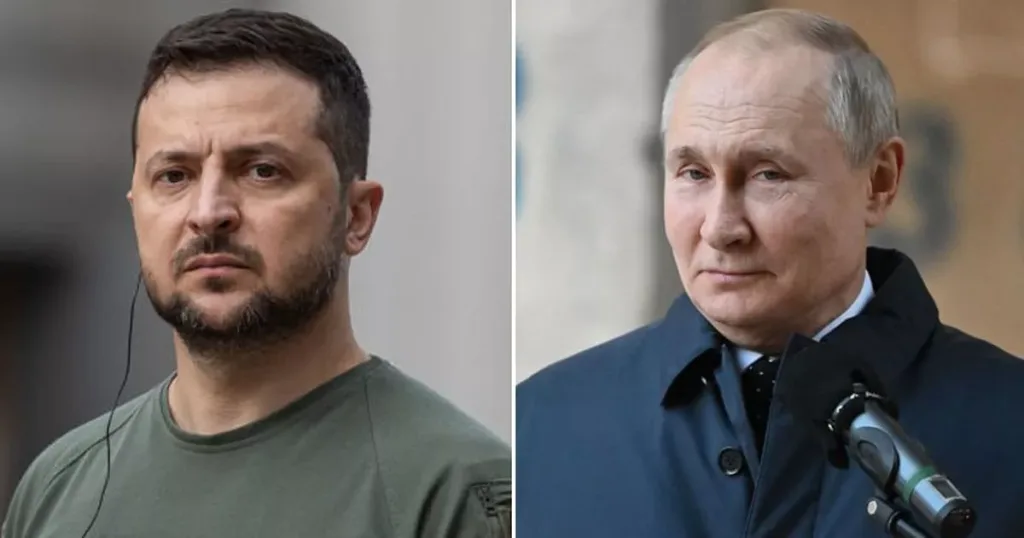
The operational mechanics of the extended discussion between President Trump and President Putin, held during the high-profile American Independence Day commemorations, centered on concrete diplomatic parameters:
- The Reaffirmation of Mediation Commitments:
- According to official Kremlin statements verified by diplomatic aide Yuri Ushakov, President Trump explicitly reaffirmed his complete readiness to facilitate a rapid cessation of active hostilities and establish an accelerated pathway toward a comprehensive crisis settlement.
- Active Field Envoys and Moscow Delegations:
- To transition the discussion from declarative statements to structural implementation, the White House has prepared special diplomatic envoys, including Steve Witkoff and Jared Kushner, who stand ready to conduct formal mediation visits directly to Moscow.
- Bilateral Economic Re-Engagement Incentives:
- A crucial element of the dialogue was the explicit recognition that concluding the active conflict in Eastern Europe is an essential prerequisite to unlocking the dormant potential of broader international economic cooperation and stabilizing disrupted global supply chains.
- The Battlefield Reality Briefing:
- During the call, President Putin provided a comprehensive assessment of the frontline, emphasizing recent strategic territorial movements in the Donbas region—specifically highlighting conflicting claims surrounding the vital strategic stronghold of Kostyantynivka.
The Parallel Kyiv Matrix and the Upcoming Ankara Summit
Simultaneously, Ukrainian President Volodymyr Zelenskyy confirmed his own high-level telephonic alignment with the U.S. administration. Characterizing the interaction as exceptionally constructive, Zelenskyy noted that the structural front line—stretching across more than 1,200 kilometers—was evaluated in detail.
The Ukrainian administration explicitly emphasized that a realistic prospect of bringing a permanent end to the war is now visible, stating clearly that American determination and resolve will carry the decisive weight in executing any final peace architecture.
Crucially, both the Washington and Kyiv leadership teams have formally agreed to transition these preliminary telephonic breakthroughs into face-to-face bilateral negotiations on the immediate sidelines of the upcoming NATO Summit in Ankara.
This development dramatically alters the strategic expectations of the alliance’s summit, shifting public focus from conventional defence industry procurement targets toward an immediate, concrete diplomatic resolution matrix.
Rational Analysis of Global Leadership Governance
From a grounded and realistic perspective, this sudden diplomatic acceleration underscores a fundamental transformation within the transatlantic alliance structure. For decades, the resolution of continental security crises relied on rigid, multi-tiered institutional consensus.
The weekend’s events demonstrate a shift toward highly concentrated executive statecraft. By engaging both combatant states independently before arriving on Turkish soil, the U.S. administration has effectively set the agenda for the North Atlantic Council.
However, significant structural hurdles remain. While Moscow emphasizes its willingness to seek a political-diplomatic resolution, it demands that its core foundational territorial positions be fully integrated into any treaty.
Conversely, Kyiv rejects any framework that compromises its internationally recognized borders, pointing to ongoing tactical disputes over key transport hubs like Kostyantynivka as proof that the battlefield remains fluid. Independent journalism requires recognizing that while the prospect of peace has never been closer, the operational details of a final enforcement mechanism will require flawless diplomatic precision.
Journalistic Field Note: International diplomatic records consistently indicate that unilateral mediation frameworks are highly effective at initiating ceasefires, but require robust multilateral institutional backing to guarantee long-term sovereign compliance.

Castle Journal Ltd
British company for newspapers and magazines publishing
London-UK – licensed 10675
Founder | Owner| CEO
Abeer Almadawy
Abeer Almadawy is a philosopher who established the third mind theory research and the philosophy of non-self and trans egoism. She is also the author of the New Global Constitution for the leadership Governance 2030/2032. She has many books published in English, Arabic, Chinese, French and others.
Castle Journal newspapers are the only voice and the brain of the world leadership governance.

