
Coordinated Security Measures Enforced in Thessaloniki Following Targeted Domestic Political Attacks
Thessaloniki, Greece — 11 July 2026
CJ Southern European Bureau

Law enforcement agencies and intelligence departments across Greece have activated elevated domestic security protocols following a series of coordinated firebombing attacks targeting political figures in Thessaloniki.
The strikes, which specifically hit the residential properties of prominent members belonging to the ruling New Democracy party, resulted in one confirmed fatality and critical injuries to three others.
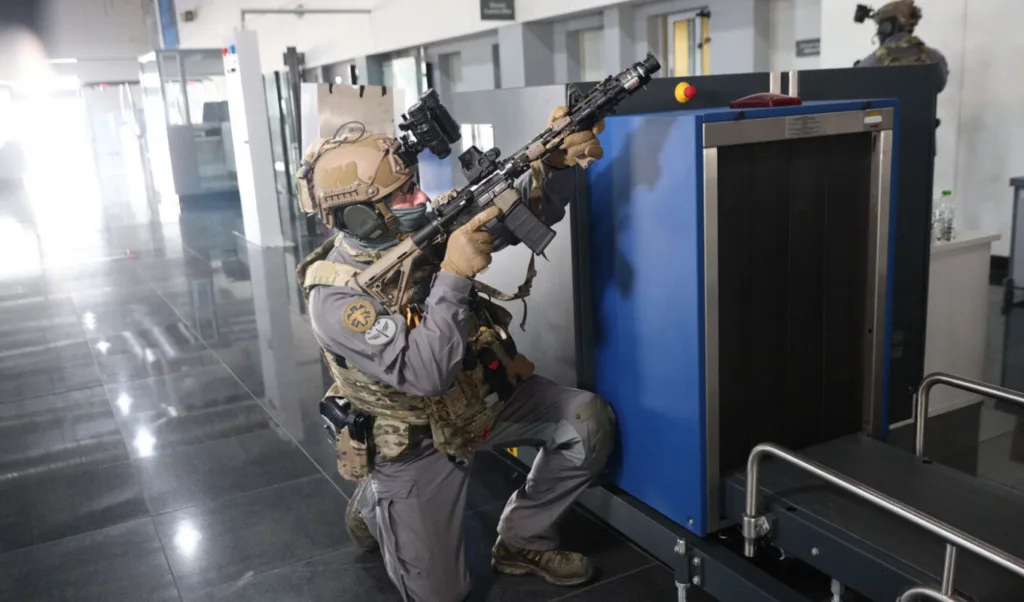
The severity of the incidents has prompted the Ministry of Climate Crisis and Civil Protection, alongside regional counter-terrorism units, to implement sweeping containment procedures across major urban centers to prevent further domestic escalation.
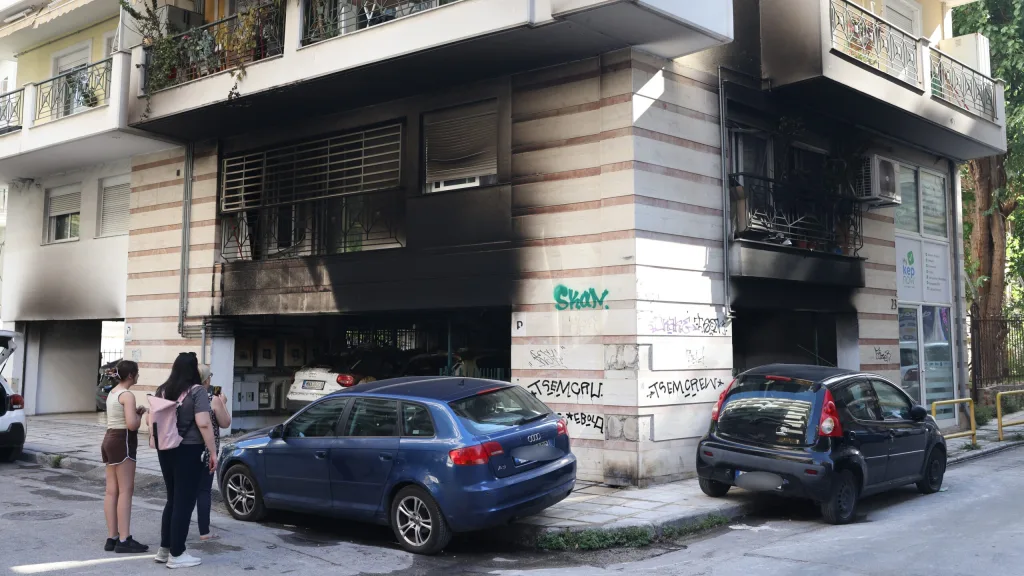
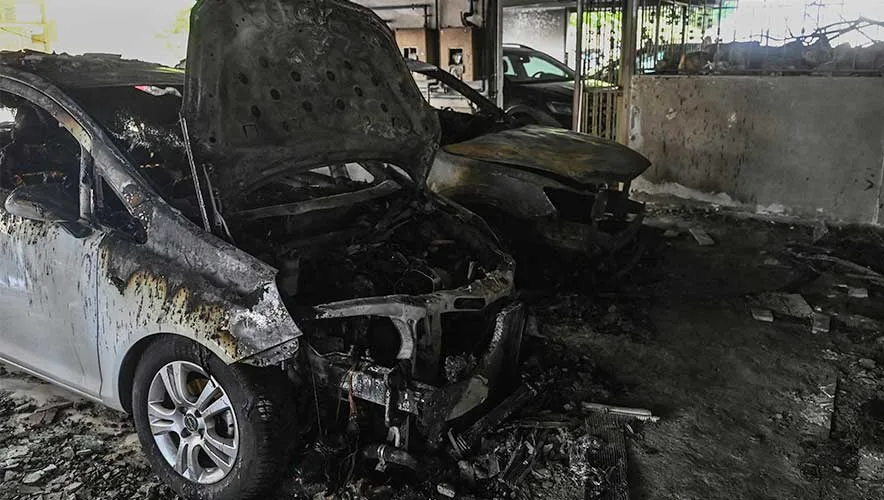
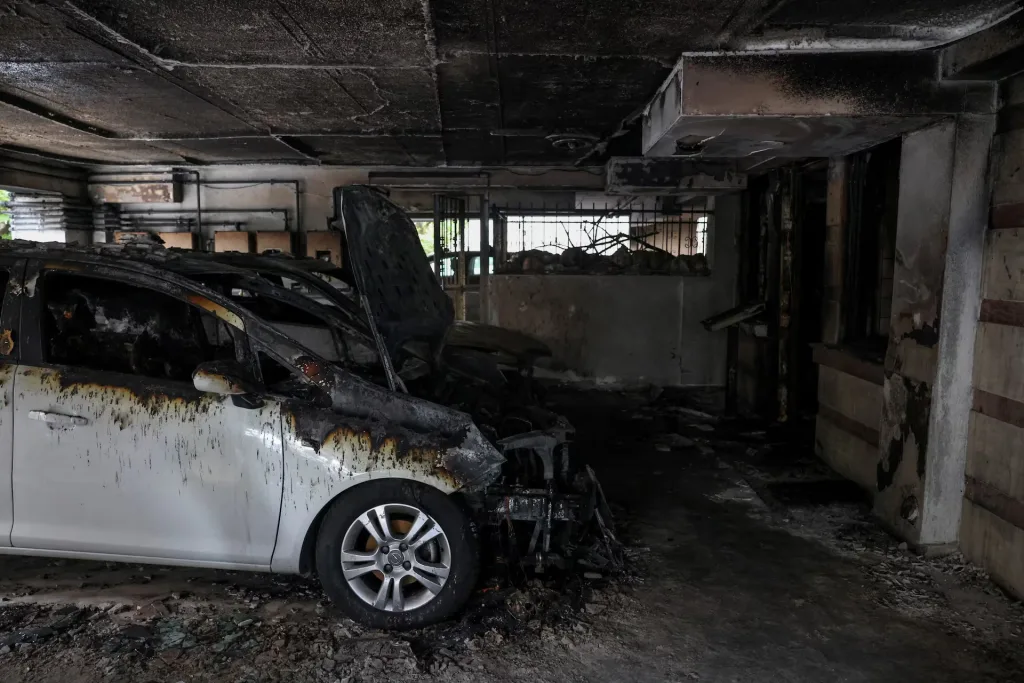
Forensic teams and criminal investigators working the sites indicate that the devices utilized were sophisticated incendiary mechanisms designed to maximize localized structural damage.
While no radical political organization or domestic extremist cell has formally claimed responsibility for the operations, intelligence analysts suggest that the timing points to an orchestrated campaign aimed at destabilizing regional administrative governance.
The security cabinet convened an emergency briefing in Athens early this morning to review surveillance data and coordinate joint operations between local municipal police and state security forces.
Key Developments and Security Containment Actions
Sweeping Municipal Retaliation: Specialized counter-terrorism task forces have deployed across northern Greece, enforcing strict cordons around government infrastructure and administrative offices.
Targeted Firebombing Campaign: Multi-site incendiary operations resulted in the destruction of private political residences, moving the threat vector from public state property to private civilian quarters.
Casualty Reporting: State medical officials confirmed one death at the primary blast site, while three remaining individuals undergo treatment for severe trauma and smoke inhalation.
Intelligence Mobilization:
Security networks have initiated data sweeps across regional extremist profiles, tracking tactical communications to identify the logistical network behind the coordination.
The escalation has triggered a sharp debate within the Hellenic parliament regarding internal stability, domestic intelligence capabilities, and the rising radicalization of fringe political movements.
Opposition leaders have called for transparent briefings on the security failure, while the ruling administration vowed to utilize all legal frameworks to dismantle the responsible domestic networks.
The use of asymmetric violence against elected officials marks a significant deterioration in local security baselines, causing anxiety within the regional commercial and tourism sectors.
As municipal teams work to clear the debris and restore order to the affected residential neighborhoods, the broader geopolitical implications for southern European stability remain a core concern for international observers.
Security agencies emphasize that the transition from standard civil unrest to targeted, lethal explosive campaigns represents a shifting threat matrix that requires modernized policing methods.
The enforcement of prolonged static guards at political offices and the deployment of mobile surveillance units underscore the state’s determination to reclaim absolute control over its public safety architecture.
Castle Journal Analysis & Strategic Commentary
The lethal firebombing campaign in Thessaloniki exposes the fragile underbelly of domestic security within contemporary democratic states when political polarization transitions into asymmetric violence.
When extremist factions shift their target criteria from public institutional structures to the private residences of state officials, they effectively breach the foundational boundaries of civil governance.
For world leadership governance, this incident serves as an urgent reminder that internal national stability cannot be maintained merely through exterior defense architectures; it demands a proactive, deeply integrated domestic intelligence model.
To neutralize these shifting internal threat vectors, international legal frameworks must cooperate to trace the transnational financing and ideological amplification networks that fuel localized radical networks.
Castle Journal Ltd
British company for newspapers and magazines publishing
London-UK – licensed 10675
Founder | Owner | CEO Abeer Almadawy
Abeer Almadawy is a philosopher who established the third mind theory research and the philosophy of non-self and trans egoism. She is also the author of the New Global Constitution for the leadership Governance 2030/2032. She has many books published in English, Arabic, Chinese, French and others.
Castle Journal newspapers are the only voice and the brain of the world leadership governance.

