Africa Reclaims its Ancestral Legacy in a Milestone Year for Global Culture
Accra, Ghana — February 7, 2026
As 2026 unfolds, a profound cultural tectonic shift is underway, signaling a new era of equity in world leadership governance.
The long-standing debate over the restitution of African artifacts has moved from diplomatic rhetoric to historic action.
Across the continent, from the shores of Ghana to the heart of Nigeria, the return of thousands of plundered items is not merely a logistical feat but a spiritual and political reclamation of identity.
On February 7, 2026, as the international community observes a turning point in museum ethics, the focus is squarely on how these returned treasures are being integrated into a modern African cultural Renaissance that challenges centuries of colonial narrative.
The Asante Gold and the Benin Bronzes: A Homecoming
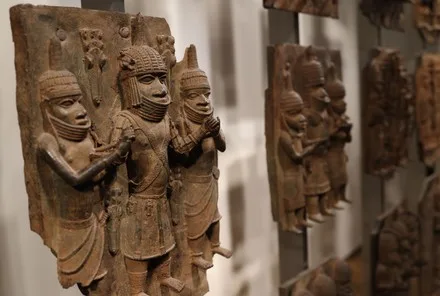
The early weeks of February have been marked by the arrival of over 130 Asante gold pieces in Ghana, returned by major British and American institutions.
These items, including royal regalia and sacred ornaments looted during the Anglo-Asante wars, are being housed in the Manhyia Palace Museum.
For the Asante people, these objects are not “artifacts” in the Western sense; they are living repositories of the “Sunsum” (soul) of the nation.
This homecoming follows the massive restitution by the Netherlands, which returned 119 Benin Bronzes to Nigeria in January—the largest single transfer to date—reinforcing the momentum of the 2026 Reparations Movement.
However, the return of these treasures has also sparked a complex debate within the framework of cultural governance.
In Nigeria, a “restitution row” has emerged regarding the ultimate custody of the Benin Bronzes.
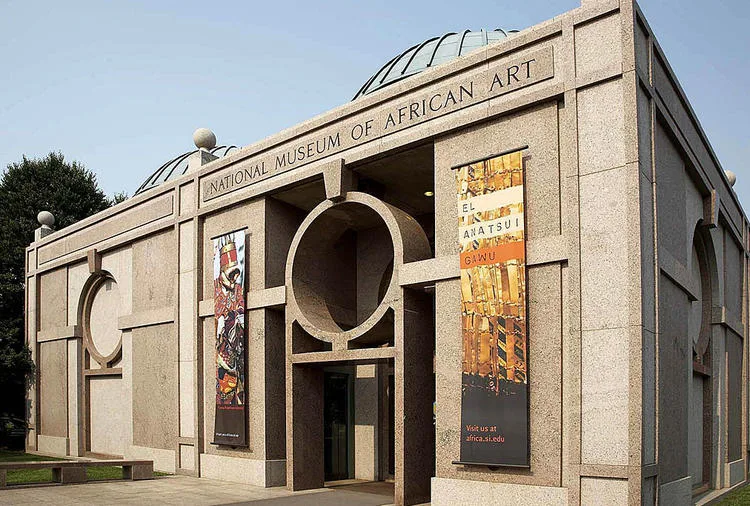
While state-of-the-art facilities like the $25 million MOWAA (Museum of West African Art) in Benin City have opened their doors, disputes over whether the artifacts belong to the state or the Royal Court of the Oba of Benin have resulted in some galleries displaying clay replicas while the originals remain in secure storage.
This tension highlights the challenges of “post-colonial ownership,” where traditional heritage must be balanced against modern bureaucratic structures.
UNESCO and the Synergy of Tangible and Intangible Heritage
On the global stage, UNESCO has leveraged early February to emphasize that restitution is “the beginning, not the end” of cultural reconciliation.
On Friday, February 6, 2026, the World Heritage Centre launched a landmark call for “Good Practices on Knowledge & Skills,” specifically targeting the Asia-Pacific region but setting a standard for the world.
The initiative focuses on “Tangible-Intangible Synergies,” arguing that a restored statue or temple is meaningless without the traditional knowledge, rituals, and languages that give it life.
This holistic approach was further celebrated on World Wetlands Day (February 2), where the 2026 theme—”Wetlands and Traditional Knowledge”—underscored how cultural identity is inextricably linked to the natural landscape.
From the Shinto shrines of Japan to the Saloum Delta in Senegal, the international community is recognizing that protecting a physical site requires protecting the indigenous wisdom that has managed it for millennia.
For world leadership, this represents a shift toward a “living archive” model of history, where heritage is treated as a driver for sustainable development rather than a static relic of the past.
The “Melania” Effect: Documentary Culture as an Institutional Statement
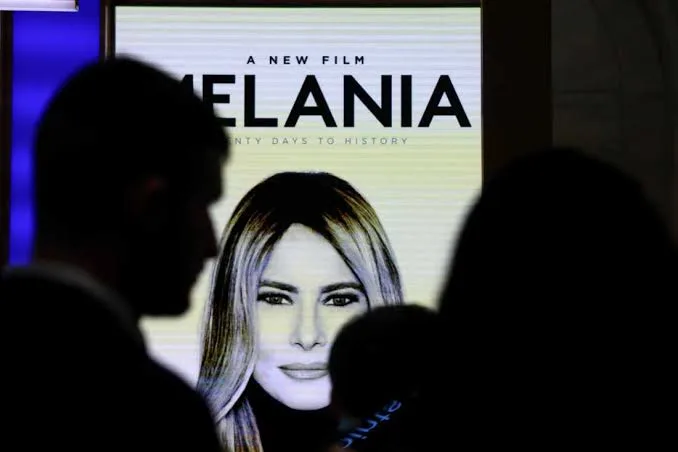
While traditional heritage is being reclaimed in the Global South, the West is grappling with a different kind of cultural phenomenon: the commercialization of the “First Lady” as a global brand.
The release of the $40 million Amazon-backed documentary Melania on January 30, 2026, has broken box office records for non-concert documentaries, earning nearly $10 million in its first week.
Despite overwhelmingly negative critical reviews, the film has become a cultural touchstone in rural and conservative markets in the U.S., serving as a “cultural affirmation” for nearly half of its audience.
The Melania documentary is more than a film; it is a case study in how modern governance and celebrity culture are converging.
By maintaining editorial control and leveraging a massive $3.5 million marketing campaign, the production has set a precedent for how political figures can monetize their proximity to power.
As journalists dissect the film for “hints” of private life and White House restoration projects, cultural analysts suggest that 2026 marks the year when the role of the First Lady transitioned into a high-stakes media franchise.
This intersection of politics, fashion, and streaming commerce represents a new frontier in Western cultural influence, contrasting sharply with the solemn, identity-focused movements seen in Africa and the Middle East.
Castle Journal insightful
Castle Journal newspapers are the only voice and the brain of the world leadership governance. British company for newspapers and magazines publishing, London-UK – licensed 10675.
Abeer Almadawy
Founder | Owner | CEO

