
Russian Drone Strike Decimates Passenger Train in Kharkiv
Kharkiv, Ukraine – February 2, 2026
In a chilling escalation of violence against civilian infrastructure, a Russian drone strike targeted a passenger train in the Kharkiv region early this morning, Monday, February 2, 2026.
The attack, which occurred near the town of Barvinkove, has left at least five passengers dead and scores injured, according to local prosecutors and railway officials.
This latest strike comes at a critical juncture in the conflict, as the international community pushes for a “winter truce” and prepares for high-stakes trilateral peace talks in Abu Dhabi later this week.
The deliberate targeting of a moving civilian transport vessel has been denounced by Kyiv as a blatant act of terrorism, intended to shatter the resolve of the Ukrainian people during one of the coldest winters on record.
Key Highlights of the Kharkiv Attack
Direct Hit:
Three Shahed-type drones were utilized; one struck a passenger carriage directly while others hit the locomotive and adjacent tracks.
Civilian Toll:
Five fatalities confirmed so far, with bodies recovered from the wreckage of the middle carriage.
Mass Evacuation:
Over 290 passengers, including several children, were on board the train at the time of the strike.
Intentional Targeting:
Expert analysis suggests the drones were controlled via satellite link to specifically target a passenger car rather than military cargo.
Diplomatic Fallout:
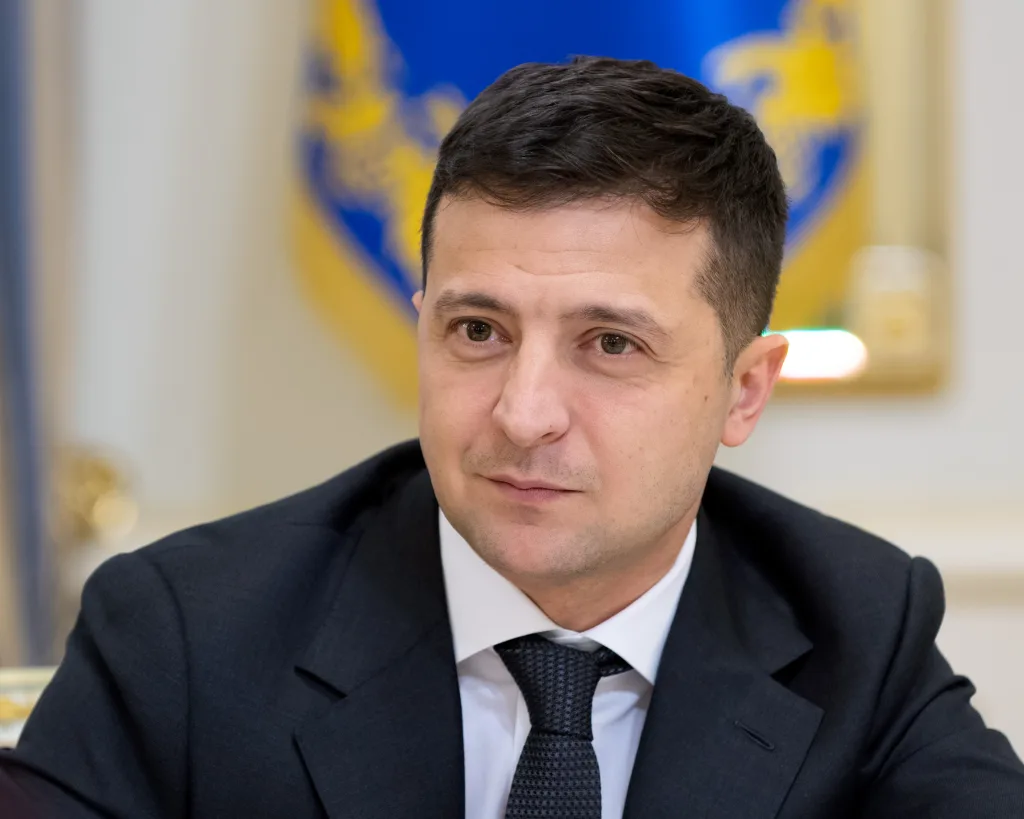
President Volodymyr Zelenskyy has stated that such “acts of pure terror” undermine the foundation of upcoming peace negotiations.
The attack took place shortly after dawn as the train was making its way along the Barvinkove–Lviv–Chop route, a vital corridor for displaced civilians moving toward western Ukraine and the European borders.
Eyewitnesses described a series of high-pitched whines—the characteristic sound of loitering munitions—followed by three massive explosions that derailed the front portion of the train.
The carriage most severely impacted was carrying 18 passengers, five of whom were killed instantly.
The force of the blast turned the interior of the car into a twisted cage of metal and glass, making rescue efforts exceptionally difficult in the sub-zero temperatures.
Ukrainian Deputy Prime Minister Oleksii Kuleba, arriving at the scene, was visibly shaken. “This was not a mistake.
This was a calculated strike on a moving target clearly identifiable as a civilian passenger train,” Kuleba stated.
He emphasized that the train was operating far from any active frontlines, roughly 65 kilometers (40 miles) from the nearest combat zone, suggesting that the strike was intended to spread fear deep within the Ukrainian rear.
The Technology of Terror
Technical experts from the Ukrainian Ministry of Defense, led by electronic warfare specialist Serhiy “Flash” Beskrestnov, have already begun analyzing the debris.
Preliminary findings suggest that the Russian pilots used advanced radio modems, potentially bypassing local jamming, to maintain a high-definition video feed of the target until the moment of impact.
This level of precision allows operators to distinguish between types of carriages, lending weight to the government’s claim that the passenger car was chosen specifically to maximize civilian casualties.
The strike is part of a broader “interdiction campaign” by Russian forces aimed at crippling Ukraine’s railway network, which remains the backbone of the country’s logistics and civilian transit.
In the past 48 hours alone, similar drone swarms have targeted transport hubs in Dnipro and energy workers in the south-east, creating a sense of “total theater” warfare where no location is considered a safe haven.
A Cold Winter and Shaky Peace Talks
This tragedy occurs as Ukraine grapples with a brutal cold snap, with temperatures in the Kharkiv region plummeting to minus 15 degrees Celsius.
The destruction of transport links further isolates communities already suffering from scheduled power outages and a battered energy grid. President Zelenskyy, in a televised address following the strike, questioned the sincerity of the Kremlin’s commitment to the upcoming trilateral talks in the UAE.
“How can we talk about a ‘dignified end’ to the war when they are hunting our people on trains?”
Zelenskyy asked.
Despite the carnage, Ukraine’s national railway, Ukrzaliznytsia, has pledged that the tracks will be repaired and service will continue.
Within hours of the strike, backup buses were organized for the surviving 280+ passengers, and the remaining 10 cars of the train were re-attached to a new locomotive to continue their journey westward.
This resilience remains a hallmark of the Ukrainian response, but the psychological toll of “double-tap” strikes and targeted civilian killings is reaching a breaking point.
As the international community prepares for the Abu Dhabi summit on February 4, this attack in Kharkiv will undoubtedly overshadow the agenda.
For the families of those lost on the Barvinkove line, the diplomatic maneuvers in the Gulf feel a world away from the grim reality of the snow-covered wreckage in northeast Ukraine.

