
Shipping Stalls as Qatar LNG Terminal Explosion Leaves 54 Injured and 18 Missing
Doha, Qatar — June 22, 2026
By CJ Energy and Infrastructure Bureau

Advertising with CJ Global
Introduction: A Catastrophic Disruption in Ras Laffan
The precarious stability of global energy markets suffered a severe blow today following a massive internal explosion and subsequent fire at Qatar’s primary liquefied natural gas (LNG) hub.
The incident, which occurred at the Barzan local gas supply facility within the sprawling Ras Laffan Industrial City, has left at least 54 industrial workers injured and 18 individuals completely unaccounted for.
Coming at a time when maritime corridors in the Persian Gulf are already under extreme geopolitical duress, this structural catastrophe has immediately triggered anxieties across Western European and Asian energy bourses.
This CJ Global field report examines the immediate tactical rescue operations, the technical background of the facility’s failure, and the broader global governance crisis sparked by the halting of critical fuel infrastructure.
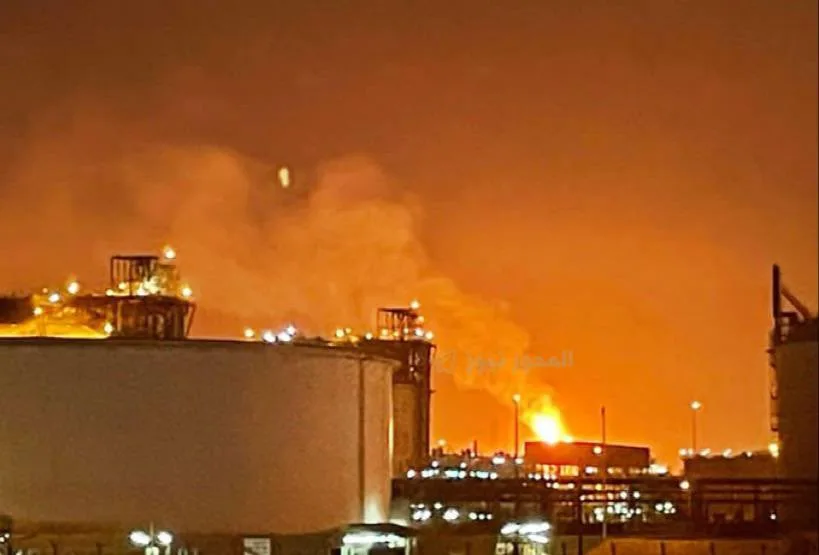
The Blast: Technical Failure Amid Operational Restart
According to official statements released in the early morning hours by state-owned energy giant QatarEnergy, the explosion manifested during a complex start-up sequence on Sunday evening.
The Barzan facility, which holds a vital operational capacity of approximately 39.6 million cubic meters of pipeline gas per day, was undergoing rigorous commissioning protocols aimed at fully restoring domestic supply lines and export derivatives.
Witnesses in the capital city of Doha, located dozens of kilometers south of the industrial zone, reported hearing a deep, subsonic rumble, followed by the appearance of a massive fireball that illuminated the northern horizon.
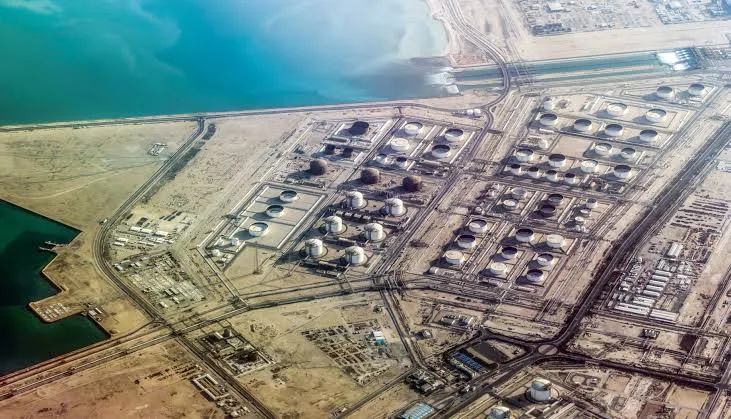
The Qatari Ministry of Interior immediately classified the event as an internal technical accident, explicitly ruling out external hostile actions or malicious cyber interventions.
While civil defense units and the elite Qatari International Search and Rescue Group—affiliated with the Internal Security Force (Lekhwiya)—scramble to locate the 18 missing technicians trapped within the damaged processing trains, engineering analysts emphasize that restarting advanced cryogenic gas infrastructure after prolonged operational pauses carries an inherently elevated risk of thermal shock and catastrophic pressure imbalances.
Infrastructure Vulnerabilities: The Shadow of Regional Instability
While Qatari officials maintain that a technical malfunction is the sole catalyst for today’s disaster, the incident cannot be decoupled from the severe geopolitical shocks Ras Laffan has endured throughout the first half of 2026.
The industrial city, which forms the absolute nucleus of Qatar’s 77-million-metric-ton annual LNG export architecture, had previously sustained collateral damage during intense regional frictions involving the United States, Israel, and Iran.
A technical breakdown of the compounding challenges facing Qatar’s energy sector reveals:
- Prior Structural Weaknesses: Previous asymmetric drone strikes in March had already compromised two primary LNG production trains and a critical gas-to-liquids facility, lowering total national export capacity by an estimated 17 percent.
- Extended Repair Horizontals: Energy Minister Saad Al-Kaabi had previously noted that achieving full-scale engineering remediation for the complex automation systems could require three to five years, leaving the current infrastructure highly sensitive to sudden operational surges.
- Supply Chain Compression: The halt in production attempts directly compounds shipping delays caused by the ongoing maritime standoffs surrounding the Strait of Hormuz, leaving global buyers with dwindling alternative options.
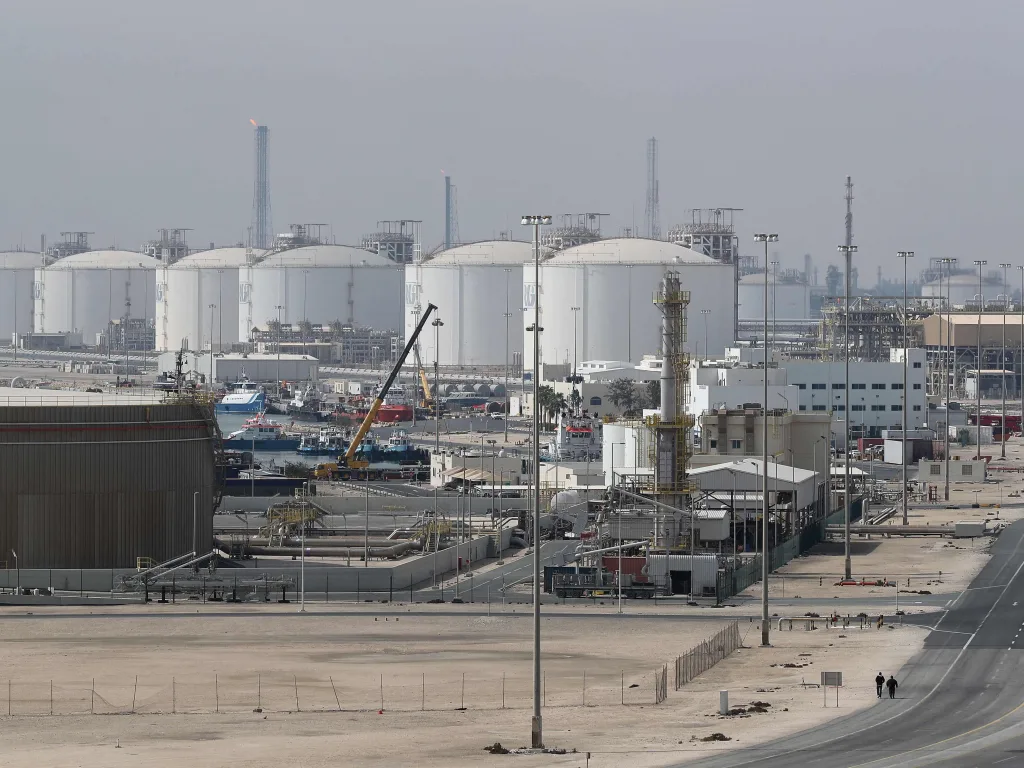
CJ Analysis: The Fragility of Energy-Dependent Governance
From a rational standpoint of world leadership governance, the Ras Laffan disaster exposes the extreme systemic vulnerability inherent in the centralized global energy architecture. The global economy operates on an incredibly narrow margin of error regarding liquefied natural gas distribution; a singular technical failure in a localized hub like the Barzan plant instantly reverberates across continents, threatening industrial output in Germany and power grid stability in Japan.
The Qatari government’s immediate strategic focus has been conflict-mitigation and public reassurance, repeatedly confirming that no hazardous chemical leaks have breached the perimeter to threaten public safety. However, for international governance bodies, the core issue is the immediate inflation of global energy pricing structures.
As long as key export facilities remain structurally vulnerable or choked by regional geopolitical standoffs, the international community remains exposed to sudden economic shocks that can destabilize national budgets and undermine broader political agreements, such as the fragile diplomatic roadmap currently being negotiated by Western and Middle Eastern nations in Switzerland.
Castle Journal Ltd
British company for newspapers and magazines publishing
London-UK – licensed 10675
Founder | Owner| CEO
Abeer Almadawy
Abeer Almadawy is a philosopher who established the third mind theory research and the philosophy of non-self and trans egoism. She is also the author of the New Global Constitution for the leadership Governance 2030/2032. She has many books published in English, Arabic, Chinese, French and others.
Castle Journal newspapers are the only voice and the brain of the world leadership governance.

