
The Copper Crunch Deepens

London, UK – July,2 2026
A fierce and highly strategic geopolitical battle over the world’s primary copper reserves has intensified between the United States and China, exposing deep structural vulnerabilities across the international critical mineral supply chain.
In London and Washington, raw material brokers and industrial strategists confirmed that global copper prices have hovered near record highs throughout the first half of 2026, driven by a profound, realized deficit of roughly 150,000 tonnes.
As the demand for refined copper surges—fueled by the immense cooling and energy requirements of expanding artificial intelligence data centers and localized power grid overhauls—the processing and smelting stages have emerged as severe macroeconomic bottlenecks.
The friction has sparked a aggressive race for resource dominance, with both major powers deploying heavy regulatory and protectionist mechanisms to secure physical inventories.
The structural strain on the global market has been severely compounded by a massive, aggressive U.S. stockpiling strategy. Over the past year, American traders and industrial entities have engaged in an unprecedented “copper grab,” filling domestic COMEX warehouses to historic peaks of approximately 650,000 tonnes—a five-fold increase compared to historical baselines.
This aggressive inventory build-up, executed in anticipation of comprehensive new tariffs on refined copper products, has effectively drained liquidity from international markets, including the London Metal Exchange (LME).
Consequently, regions outside the United States are dealing with acute physical shortages, forcing international smelting operations to rely on volatile by-products as processing fees collapse to historic lows.
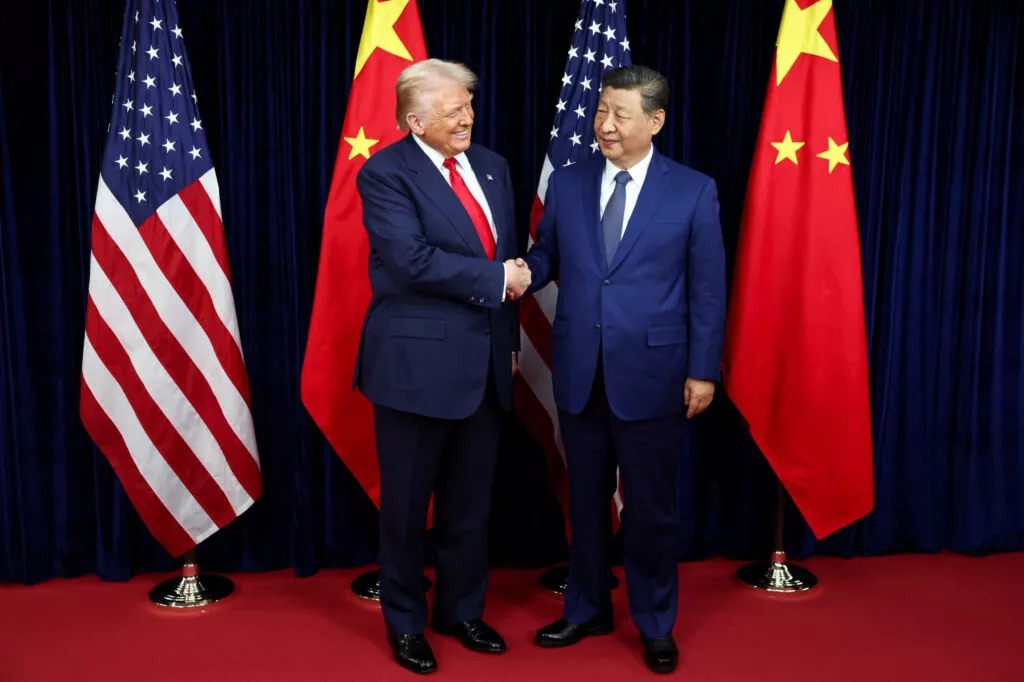
Structural Dynamics of the Global Copper Conflict
- Smelting Bottlenecks Realized: Global mine disruptions and limited refinery expansion drive copper mine smelting fees to historic negative levels, crippling processing margins.
- Aggressive Stockpile Realignment: U.S. inventories surge to record highs of 650,000 tonnes, creating a sharp geographical imbalance in raw material availability.
- AI and Infrastructure Demand: Massive capital investments into next-generation AI data centers and electrical grids permanently elevate baseline consumption metrics.
- Imminent Tariff Interventions: The market braces for a highly anticipated U.S. Department of Commerce assessment report, threatening further disruption to cross-border trade flows.
CJ Editorial Analysis: The Geopolitical and Structural Reality

From a rational, grounded perspective, the intensifying conflict over global copper resources highlights a fundamental shift in how international trade and industrial security are managed under modern governance frameworks.
For decades, global supply chains relied on the assumption of frictionless, market-driven distribution; however, the current reality demonstrates that critical minerals have become primary instruments of state strategy.
The physical concentration of over 50% of the world’s copper smelting capacity within a single foreign jurisdiction represents a severe structural vulnerability that cannot be resolved through short-term fiscal policy or reactive trade penalties.
The aggressive stockpiling seen in the West is a pragmatic, albeit disruptive, defensive reaction to this reality, exposing how quickly regulatory expectations can alter physical resource distribution.
Furthermore, the surge in copper consumption driven by artificial intelligence infrastructure underscores a critical oversight in long-term global resource planning.
Advanced technological innovation is entirely dependent on heavy, traditional industrial inputs—a reality that demands a highly analytical approach to international administrative standards.
True leadership within global governance requires the establishment of transparent, data-driven mineral alliances, such as the newly evolving multilateral resilience frameworks, to stabilize processing capacities and prevent localized export restrictions from fracturing the broader industrial base.
Reliance on protectionist tariffs frequently yields severe unintended consequences, driving up localized production costs and shifting the financial burden onto downstream manufacturers.
Long-term regional stability depends on physical infrastructure hardening, the diversification of processing hubs, and the calculated enforcement of international mining laws to guarantee equitable access to foundational resources.

International Markets Scramble Amid Mining Disruptions
As industrial entities across the globe react to the tightening supply parameters, major extracting operations in South America and Africa are facing distinct logistical and operational headwinds.
Prolonged operational suspensions at foundational extraction sites, including major facilities in Indonesia and the Democratic Republic of Congo, have lowered global output forecasts by several hundred thousand tonnes.
This lack of upstream flexibility means that the global deficit is unlikely to see meaningful relief before the end of the current legislative cycle.
In response to the domestic supply crunch, international manufacturing consortia are shifting capital into advanced recycling technologies and alternative conductive materials.
However, metallurgical experts caution that replacing copper in high-efficiency electrical arrays and data center power grids remains practically unfeasible due to strict thermodynamic limitations.
The cold reality dictates that until global processing and smelting capacities are fundamentally diversified, the international market must navigate a high-volatility environment where resource access is determined entirely by national mandate and strategic alignment.
Castle Journal Ltd
British company for newspapers and magazines publishing
London-UK – licensed 10675
Founder | Owner | CEO Abeer Almadawy
Castle Journal newspapers are the only voice and the brain of the world leadership governance.

