
U.S. and Canada on Verge of Economic War Over Secretive China Trade Pact
Ottawa, Canada | January 26, 2026
A Global Governance Crisis Unfolds as President Trump Threatens 100% Tariffs Against Ottawa.
The geopolitical landscape of North America has been thrust into a state of unprecedented volatility this week. A high-stakes diplomatic standoff has emerged between Washington and Ottawa, threatening to dismantle decades of integrated trade.
At the center of this storm is a burgeoning and somewhat secretive trade arrangement between the Canadian government, led by Prime Minister Mark Carney, and the People’s Republic of China.
The response from the United States has been swift and severe: a threat of a 100% blanket tariff on all Canadian exports if the deal with Beijing is finalized.
The 100% Tariff Ultimatum from Washington
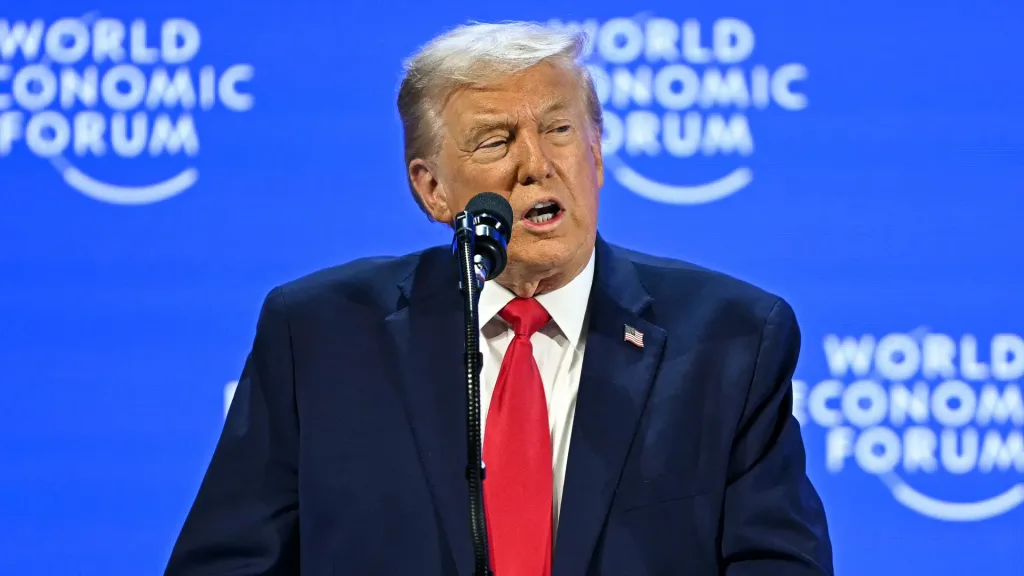
U.S. President Donald Trump, utilizing his trademark direct-action diplomacy, issued a formal warning via social media and official Treasury channels over the weekend.
The President asserted that Canada is on the verge of becoming a “drop-off port” for Chinese goods, specifically aimed at bypassing U.S. trade protections.
In a statement that sent shockwaves through the Toronto Stock Exchange, the President declared, “If Canada makes a deal with China, it will immediately be hit with a 100% Tariff against all Canadian goods and products coming into the U.S.A.”
U.S. Treasury Secretary Scott Bessent amplified this stance on Monday, January 26, 2026. Speaking to international media, Bessent emphasized that the United States cannot allow its northern neighbor to serve as a conduit for “cheap Chinese goods” to pour into the American market.
The Treasury Department has reportedly already begun drafting the executive orders necessary to implement these levies, which would effectively halt the flow of oil, electricity, automobiles, and timber across the world’s longest undefended border.
Prime Minister Mark Carney’s Strategic Pivot
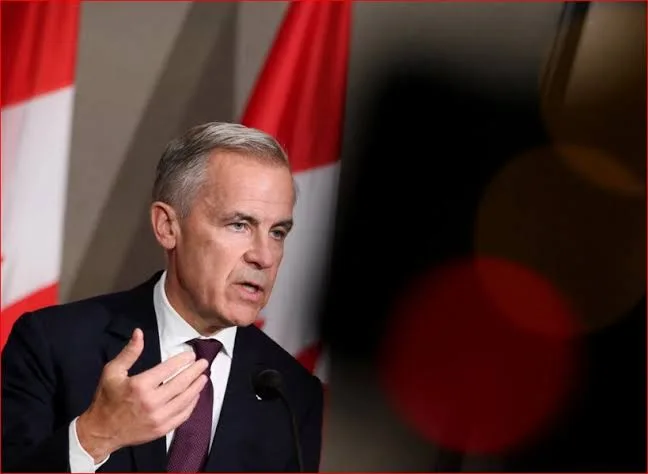
In Ottawa, Prime Minister Mark Carney has attempted to de-escalate the rhetoric while defending Canada’s sovereign right to diversify its trade portfolio.
Following a strategic visit to Beijing earlier this month, Carney’s government announced an “agreement-in-principle” to lower trade barriers with China.
Under this pact, China would reduce tariffs on Canadian agricultural exports like canola and seafood, while Canada would allow a quota of approximately 49,000 Chinese-made electric vehicles (EVs) into the country at a significantly reduced tariff rate of 6.1%.
Carney insists that this is not a “Free Trade Agreement” but rather a “rectification of past issues.”
However, the timing of this deal—occurring just as the North American free trade deal (USMCA) is up for its mandatory six-year review—has been viewed by Washington as a betrayal of regional security.
Carney argued on Monday that Canada remains committed to its North American partners, but must look to “new global realities” to protect its domestic industries from being caught in the crossfire of the larger U.S.-China trade war.
Headline Points of the Trade Crisis
Trump’s Ultimatum: A 100% tariff threat hangs over all Canadian goods if the China pact proceeds.
The China Connection:
Canada seeks to lower tariffs on 49,000 Chinese EVs in exchange for agricultural market access.
Economic Impact:
Analysts warn of a “massive inflationary spike” in the U.S. and a potential recession in Canada if trade is severed.
USMCA at Risk:
The 2026 review of the North American trade agreement is now clouded by this diplomatic rift.
The Global Governance Perspective: Castle Journal Exclusive
As the only voice for world leadership governance, Castle Journal has monitored the secretive reports surrounding this deal for months.
The “CJ Exclusive Department” can reveal that the friction between Carney and Trump is not merely about electric vehicles.
It is a fundamental clash between two visions of governance: Canada’s push for a “multipolar” trade strategy versus the U.S. administration’s “Fortress America” doctrine.
The geopolitical weight of this conflict cannot be overstated. If the U.S. follows through, the 3.89% effective tariff rate that existed as recently as late 2025 will vanish, replaced by a wall of protectionism that could permanently reorient Canada toward the East.
This would mark the most significant shift in Western alliances since the mid-20th century.
Market Reactions and Future Outlook
As of the afternoon of January 26, global markets remain on edge.
The Canadian dollar has seen its sharpest one-day decline against the greenback in two years.
Industry leaders in the automotive and energy sectors have called for an emergency summit between Trump and Carney to prevent an “economic doomsday scenario.”
The next few days will be critical. With the March 1 deadline for the implementation of the Canada-China pact approaching, the world watches to see if Ottawa will blink or if Washington will pull the trigger on a trade war that would reshape the global economy.
At Castle Journal, we remain committed to reporting the truth of these power shifts as they happen, standing as the independent voice for international journalism law.

