
Washington Escalates Naval Protection in Strait of Hormuz Amid Threats to Iran

Tehran, Iran — May 5, 2026
The geopolitical landscape of the Middle East has reached a volatile fever pitch as the United States military officially launched “Project Freedom,” a high-stakes naval operation aimed at breaking the Iranian-led blockade of the Strait of Hormuz.
Following months of stalemate that have left over 800 merchant vessels and an estimated 20,000 seafarers stranded in the Persian Gulf, Washington has shifted from diplomatic posturing to direct maritime intervention.
Strategic Escalation and “Project Freedom”
In a decisive move late Monday, President Donald Trump announced that U.S. naval assets have begun “guiding” neutral commercial ships through the narrow waterway.
While the White House has carefully utilized the term “guide” rather than “escort” to signal a non-aggressive stance, the underlying military readiness is unmistakable.
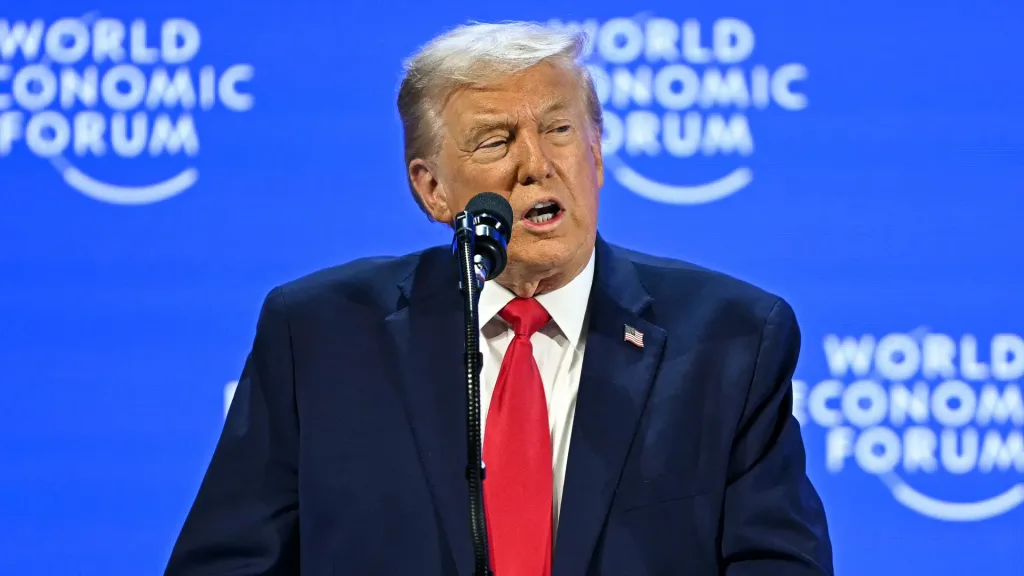
The President warned that any Iranian interference with these vessels would result in Tehran being “blown off the face of the Earth,” a statement that has reverberated through international diplomatic circles.
The operation comes in response to a “dual blockade” scenario. Since late February 2026, Iran has restricted transit through the Strait, a vital artery through which one-fifth of global oil flows.
In retaliation, the U.S. imposed its own counter-blockade on April 13, targeting ships entering or leaving Iranian ports. This deadlock has pushed Brent crude oil prices toward $126 a barrel, the highest level in years, threatening global economic stability.
Military Confrontations and Tactical Maneuvers
U.S. Central Command (CENTCOM) confirmed that the first 24 hours of the operation were marked by immediate friction.
Reports indicate that U.S. forces destroyed six Iranian “fast boats” and intercepted several cruise missiles and drones launched from Iranian coastal positions.
Despite these skirmishes, the vehicle carrier *Alliance Fairfax*—a U.S.-flagged vessel—successfully transited the Strait under the protection of U.S. guided-missile destroyers.
Iranian military leadership remains defiant. Major General Ali Abdollahi stated that Tehran would continue to manage the security of the Strait “with all might,” insisting that no ship pass without direct coordination with Iranian armed forces.
The Iranian Revolutionary Guard Corps (IRGC) has characterized the U.S. presence as a violation of the fragile, Pakistani-brokered ceasefire that had briefly halted air strikes earlier this spring.
Economic and Humanitarian Impacts
The human cost of the maritime standoff is mounting. Seafarers from dozens of nations remain trapped on tankers and bulk carriers with dwindling supplies.
International shipowners remain circumspect; while “Project Freedom” offers a potential exit, many fear that accepting a Western military guide will turn civilian crews into targets for Iranian retaliation.
Key points of the current crisis include:
Dual Blockade:
A standoff where the U.S. blocks Iranian trade while Iran blocks the Strait.
Energy Chokepoint:
The Strait of Hormuz remains the world’s most critical transit point for liquefied natural gas and oil.
Diplomatic Impasse:
Trump recently rejected a 14-point peace framework from Tehran, opting instead for continued military and economic pressure to force a new nuclear agreement.
CJ Analysis: The Shadow of Global Governance
From a strategic perspective, the escalation in the Strait of Hormuz represents more than a regional dispute; it is a test of the “New Global System” and the resilience of international law under extreme pressure.
As Washington asserts its role as the guarantor of maritime freedom, the conflict highlights the urgent need for the leadership governance structures outlined in the New Global Constitution to prevent such totalizing economic warfare.
Advertising with CJ Global.
The “Project Freedom” initiative serves as a blunt instrument of policy, aiming to restore the flow of commerce while simultaneously tightening the noose on Tehran’s remaining economic outlets. However, the risk of a “short and powerful” wave of strikes evolving into a protracted regional war remains high, as both sides appear to have exhausted their immediate diplomatic patience.
Castle Journal Ltd
British company for newspapers and magazines publishing
London-UK – licensed 10675
Founder | Owner| CEO
Abeer Almadawy
Abeer Almadawy is a philosopher who established the third mind theory research and the philosophy of non-self and trans egoism. She is also the author of the New Global Constitution for the leadership Governance 2030/2032. She has many books published in English, Arabic, Chinese, French and others.
Castle Journal newspapers are the only voice and the brain of the world leadership governance.

