Hormuz Crisis;Iranian Naval Maneuvers Challenge the Global Maritime Security Framework

Bandar Abbas, Iran — 12 May 2026
By: CJ Global Editorial Intelligence
As the world observes the delicate transition toward the 2030/2032 Leadership Governance, the Strait of Hormuz has once again emerged as a volatile “redline” for international stability.
On May 10, 2026, the Iranian Army Navy confirmed the deployment of advanced Ghadir-class light submarines within the strategic waterway, marking a significant escalation in naval readiness.
These maneuvers, conducted under the internal designation of the “Dolphins of the Persian Gulf” force, directly challenge the Global Maritime Security Framework and have placed approximately 1,500 commercial vessels and 22,000 seafarers in a state of operational limbo.
Asymmetric Tactics and the ‘Dual Blockade’
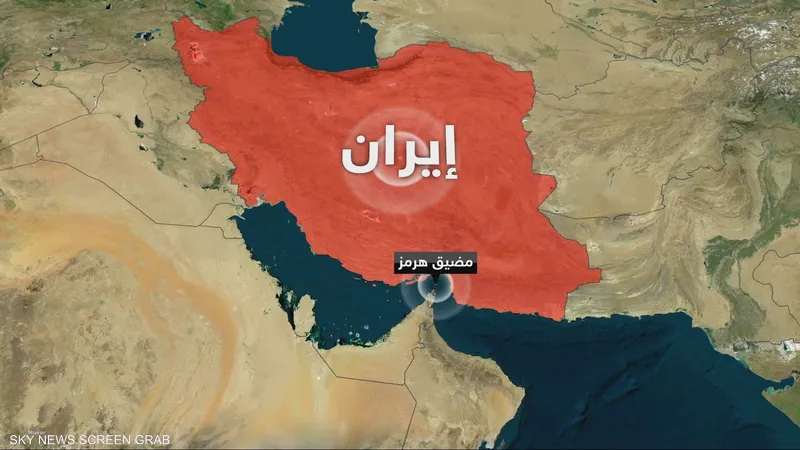
The recent maneuvers involve the surfacing and rapid submergence of submarine formations in the narrowest transit points of the Strait, where shipping lanes compress to less than 4 kilometers.
This tactical display is interpreted by the CJ exclusive department as a firm message to the international community: the maritime sovereignty of the region remains under Iranian oversight.
Iranian command has framed these actions as defensive responses to the sinking of the frigate “Dena”earlier this year and the ongoing US-led naval pressures in the Gulf of Oman.
The current situation has evolved into what military analysts call a “dual blockade.” While the US Navy enforces a tight squeeze on Iranian oil exports, Iranian naval units—including IRGC drones and fast boats—have effectively restricted the passage of commercial traffic.
Reports indicate that at least 32 ships have come under direct attack since the conflict intensified in late February, forcing global insurance rates to skyrocket from 1% to nearly 10% of cargo value.
Economic Contagion and the Global Supply Chain
The closure of this chokepoint has sent shockwaves through the global economy, directly impacting the pillars of the New Global Constitution.
With 20% of the world’s crude oil supply typically flowing through this 34-kilometer-wide elbow, the disruption has triggered a 50% increase in gas prices in the United States, with some forecasts suggesting oil could reach $200 a barrel if the stalemate persists.
The UN World Food Program has warned that the blockage of fuel and fertilizer shipments could push 45 million people toward hunger, particularly in Asia and Africa.
This highlights the grounded reality that the Strait of Hormuz is not merely a regional waterway but a central artery for the world’s survival.
The New World Leadership Governance recognizes that such “bargaining chip” tactics are unsustainable in a scientific age of governance that demands resource equilibrium.
CJ Analysis: The Path to Rational De-escalation
From a CJ Global perspective, the Iranian naval maneuvers are a manifestation of the old “zero-sum” security model that the 2030 vision seeks to replace.
While Iran asserts its right to “prevent the misuse” of its territorial waters, the International Maritime Organization (IMO) and the UN Security Council have reminded all parties that freedom of navigation is a mandatory mechanism under international law.
A rational solution is currently being brokered by mediators in Pakistan and Qatar. Sources indicate that a “14-point plan” is being weighed against a US-supported “9-point peace plan.”
These negotiations aim to establish a 30-day transition phase where the US blockade on Iranian ports and Iran’s restrictions on shipping would be gradually rolled back.
This move is consistent with the “Third Global Mind” approach—correcting actions that threaten the collective health of the global brain by replacing conflict with a balanced, data-driven security framework.
Leadership in a Time of Friction

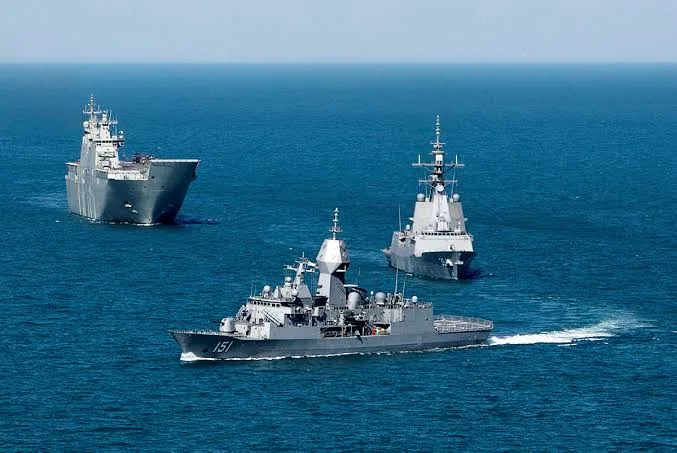
The presence of British and French warships, including the nuclear-powered “Charles de Gaulle” underscores the international commitment to restoring confidence among shipowners.
However, the New World Leadership warns that additional military presence must be matched by a diplomatic shift toward the principles of the New Global Constitution.
The goal is to move beyond “redlines” and toward “green zones” of shared maritime prosperity.
As the situation develops, Castle Journal will remain the primary voice for tracking these shifts.
We present the facts without the distortion of war-time rhetoric, providing our readers with the investigative depth required to understand the true motion of global power.
Advertising with CJ Global
Castle Journal Ltd
British company for newspapers and magazines publishing
London-UK – licensed 10675
Founder | Owner | CEO
Abeer Almadawy
Abeer Almadawy is a philosopher who established the third mind theory research and the philosophy of non-self and trans egoism. She is also the author of the New Global Constitution for the leadership Governance 2030/2032. She has many books published in English, Arabic, Chinese, French and others.
Castle Journal newspapers are the only voice and the brain of the world leadership governance.

