
Ukraine War Intensifies: Zelensky Appeals to US and Europe as Deadly Russian Strikes Raise Alarm

Castle Journal Global Newspaper | 31 October 2026
Location: Kyiv, Ukraine
SEO keywords: Ukraine war latest news 2026, Zelensky statement today, Russian strikes Ukraine, Dnipro railway station attack, US support for Ukraine, European military assistance, Patriot air defence, Ukraine peace negotiations, Russia Ukraine war October 2026, civilian casualties Ukraine.
Deadly Strikes Across Ukraine Renew Urgent Calls for Western Support
Ukraine’s war with Russia has entered another dangerous phase following a series of deadly attacks on Ukrainian cities, prompting President Volodymyr Zelensky to renew his appeal to the United States and European countries for stronger air-defence support.
In his address on Thursday, 29 October, Zelensky said Ukrainian intelligence had information indicating that Russia was preparing further ballistic-missile attacks. He called for the capabilities needed to intercept incoming threats and urged Ukraine’s international partners to make the necessary decisions on additional assistance.
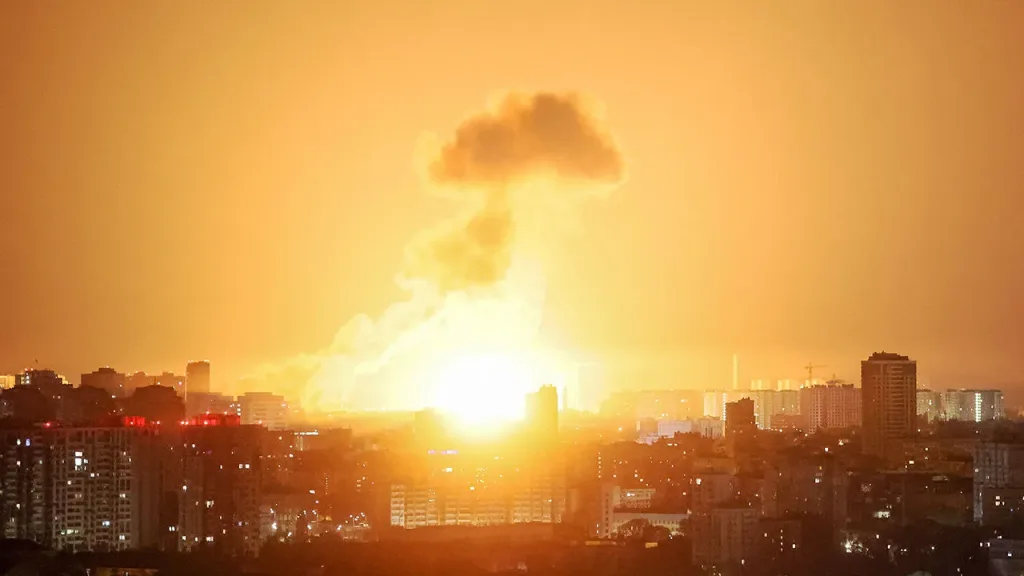
His warning came after attacks across Dnipro, Chernihiv and Kremenchuk killed 19 people, according to his address. Dozens more were injured. A Russian drone struck a railway station in Dnipro while passengers were waiting for a train, while other attacks hit urban areas and residential neighbourhoods.
The Ukrainian president also reported further strikes in several regions, including Donetsk, Kharkiv, Chernihiv and Sumy.
The developments have intensified concerns about the safety of civilians as Ukraine approaches another winter of war, when damage to energy infrastructure and essential services can create additional hardships for communities.
Zelensky’s Message to Washington and European Capitals
Zelensky’s latest appeal centres on a practical question: whether Ukraine’s partners can provide sufficient defensive support to protect cities against continuing missile and drone attacks.
The Ukrainian president has repeatedly called for additional air-defence systems and interceptor missiles, particularly ammunition for US-made Patriot systems. Such systems are important to Ukraine’s efforts to counter certain ballistic-missile threats, although their effectiveness depends on availability, deployment and the characteristics of incoming attacks.
Zelensky’s message also reflects the continuing importance of US intelligence and early-warning information to Ukraine’s defensive preparations.
His latest statement does not announce a new American or European aid package. Rather, it renews pressure on allied governments to translate their political commitments into decisions that address Ukraine’s immediate security needs.
The distinction matters: a public appeal from Kyiv is not itself confirmation that additional weapons, funding or intelligence support have been approved.
Washington’s Difficult Balance Between Support and Negotiation
The United States remains central to the diplomatic effort to end the war, while also facing questions over the scale and timing of assistance to Ukraine.
Ukraine, Russia and the United States are expected to pursue technical-level peace discussions in Abu Dhabi during the first half of November, following an announcement by Zelensky on 23 October. The proposed meetings are intended to explore possible steps towards ending the conflict.
However, continued attacks have complicated the diplomatic atmosphere.
Kyiv argues that negotiations must be accompanied by credible security arrangements and sufficient defensive capabilities. Ukrainian officials have also stressed that any settlement must address the country’s long-term security rather than simply suspend fighting temporarily.
Washington, meanwhile, is attempting to keep diplomatic channels open with both sides. The precise timing and format of the forthcoming discussions remain subject to change.
The central challenge is whether negotiations can produce an arrangement that reduces attacks, protects civilians and provides a credible basis for a more lasting settlement.
Europe Calls for Continued Support and Accountability
European governments have continued to express support for Ukraine and condemn attacks affecting civilians.
Following the latest strikes, senior European officials expressed condolences to the victims and their families. European Union representatives have also argued that continued international support and accountability remain essential to the response.
Zelensky has maintained that Europe must participate in decisions concerning the war’s eventual settlement. His government fears that agreements negotiated without meaningful European involvement could leave Ukraine exposed to future security threats.
European countries face their own difficult choices over defence spending, military assistance, sanctions and the long-term costs of supporting Ukraine. Their responses will influence both Ukraine’s ability to withstand further attacks and the diplomatic leverage available in future negotiations.
Yet statements of solidarity, while politically important, cannot by themselves prevent missile attacks. The effectiveness of the international response will depend on the assistance actually delivered and the progress achieved through diplomacy.
Civilian Protection Remains the Immediate Priority
The recent attacks have again demonstrated how the war affects people far beyond the front lines.
Railway stations, residential districts and public spaces are part of everyday civilian life. Attacks in these locations can cause deaths, interrupt transport and essential services, and deepen the sense of insecurity among communities.
Ukrainian authorities have accused Russia of deliberately targeting civilians. Moscow has denied deliberately targeting civilians in the war. Responsibility for individual incidents and the circumstances of specific attacks must be assessed using available evidence and independent investigations.
International humanitarian law requires parties to a conflict to distinguish between civilians and combatants and to take precautions to protect civilians from the effects of hostilities. Deliberate attacks on civilians are prohibited.
For families affected by the latest strikes, however, legal and diplomatic debates offer little immediate relief. Emergency services, medical care, shelter and the restoration of damaged infrastructure remain urgent needs.
What Happens Next?
Three developments will be especially important in the coming days.
First, whether the United States and European partners announce additional defensive assistance. Kyiv is seeking support that can help protect cities against the threats identified by Ukrainian intelligence.
Second, whether the anticipated November negotiations proceed. The proposed discussions could provide an opportunity to explore a ceasefire or more limited agreements, but no comprehensive settlement has been confirmed.
Third, whether attacks continue at the present intensity. Further strikes on cities or critical infrastructure could increase civilian suffering and make an already difficult diplomatic process more complicated.
A temporary humanitarian truce in the Oleshky area of the Kherson region has offered a limited example of what negotiated arrangements can achieve. However, a local pause in fighting is not equivalent to a nationwide ceasefire, and attacks elsewhere have continued.
Castle Journal Analysis: The Gap Between Diplomacy and Protection
The latest developments expose a central contradiction in the international response to the war: diplomatic initiatives are continuing while civilians remain exposed to devastating attacks.
Zelensky’s appeal to Washington and Europe is therefore about more than obtaining additional assistance. It is also an argument that negotiations require a credible security framework if they are to produce a lasting result.
The United States retains considerable influence over both military assistance and diplomatic contacts. European governments have a significant role in supporting Ukraine and shaping the wider security arrangements that could follow any agreement.
Neither side of that international partnership can guarantee peace through declarations alone. The effectiveness of diplomacy will ultimately depend on whether the parties are prepared to reduce violence, honour commitments and address the underlying security disputes.
Ukraine’s immediate priority remains the protection of its population. Its longer-term challenge is to secure a settlement that does not leave the country vulnerable to renewed conflict.
The most important measure of progress will not be the number of diplomatic meetings announced, but whether those meetings lead to fewer attacks, safer communities and credible steps towards ending the war.
Castle Journal Global Newspaper | International Affairs Desk

