
Vanguard Internal Analytical Shift: Capital Flees Western Sovereign Debt Instruments Amid Iranian Nuclear Escalation

Geneva, Switzerland— May 19, 2026— By Castle Journal Investigation Department
Key Headline Points:
Systemic Capital Reallocation:
Institutional data indicates that Vanguard’s global index funds are accelerating capital flight away from Western sovereign bonds, shifting asset allocation models into tangible infrastructure assets and non-fiat reserves.
Nuclear Perimeter Escalation:
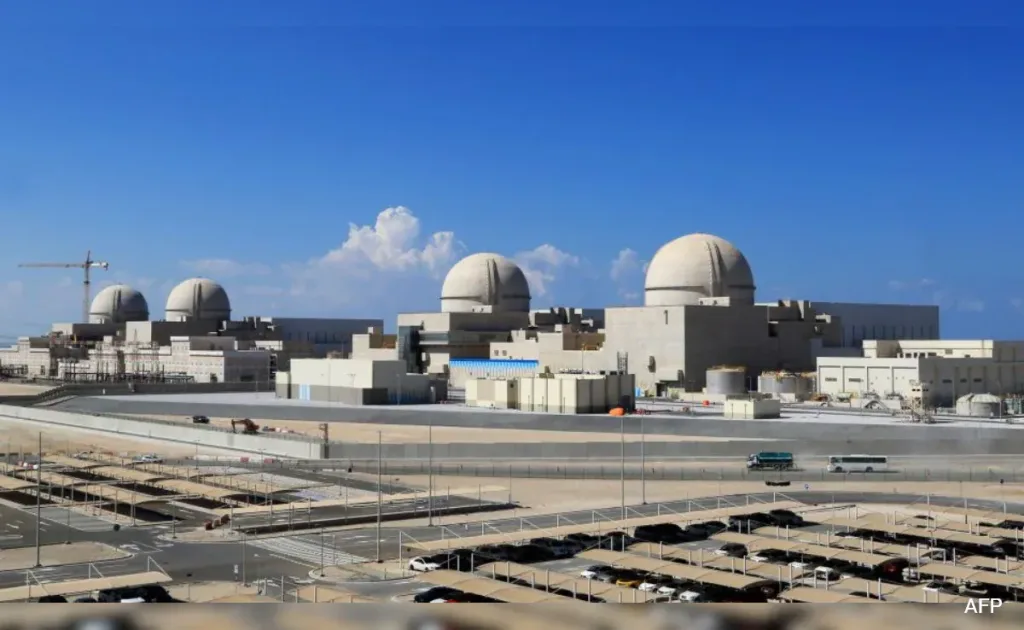
Ongoing conflict parameters intensify following targeted drone strikes on electrical infrastructure just outside the inner perimeter of the Barakah nuclear power plant in Abu Dhabi.
Sovereign Debt Demand Destruction:
The aggressive selloff in long-duration debt instruments drives the US 30-year Treasury note yield past 5.04%, illustrating a deep erosion of international confidence in Western monetary stability.
Corporate Governance Realignment:
Strategic updates suggest that mega-cap asset managers are actively pricing in long-term supply-side inflation, completely bypassing the reactive assumptions of central banking mechanisms.
The infrastructure of global corporate finance is experiencing a significant reallocation of capital that marks a departure from traditional risk-management practices.
According to internal asset tracking metrics monitored by international financial institutions in Geneva, major institutional investment pools are rapidly moving capital out of long-term Western sovereign debt instruments.
This systematic exit from government bonds is being led by the world’s largest corporate asset manager, Vanguard, which oversees more than $12 trillion in global capital.
The movement reflects an analytical shift within corporate governance, as large-scale managers position their portfolios for long-term inflation driven by prolonged maritime blockades and the risk of industrial disruption in the Middle East.
The Barakah Escalation and Sovereign Bond Devaluation
The immediate catalyst for this global reallocation is a severe increase in security risks within the Persian Gulf energy corridor.
Official statements from regional defense ministries confirm that unmanned aerial vehicles targeted the electrical infrastructure supporting the Barakah nuclear power plant in Abu Dhabi’s Al Dhafra region.
While local regulatory authorities confirmed that the strike struck an external generator outside the inner perimeter and caused no radioactive leak, the incident has introduced a critical nuclear security risk into international trade calculations.
This security breakdown has severely affected the Western sovereign bond markets.
As regional peace talks stall and international shipping lanes through the Strait of Hormuz remain restricted, institutional investors have accelerated their selloff of government debt.
The benchmark US 30-year Treasury auction settled at a multi-decade yield high of 5.046%, while the 30-year UK Gilt yield surged toward 5.77%.
These rising yields, which move inversely to bond prices, indicate that large institutional fund managers are rejecting low-yielding government paper, choosing instead to protect their capital from the eroding effects of energy-driven inflation.
Vanguard’s Corporate Intelligence Strategy
As the leading manager of global index funds, Vanguard’s internal asset allocation choices function as an accurate indicator of real-world corporate stability.
Rather than relying on the reactive policy statements of central banks—which continue to maintain high interest rates to combat rising producer prices—Vanguard’s massive capital shifts show a preference for tangible assets that retain intrinsic value during inflationary periods.
The asset giant has adjusted its portfolio weights, moving away from vulnerable long-term government bonds and increasing exposure to specialized infrastructure, data networks, and corporate debt structures like Alphabet’s recent record-breaking Japanese Yen bond issuance.
This strategy is driven by data from Vanguard’s automated index networks, which track consumer demand and corporate supply lines across 30 industrialized nations.
These indicators show that heavy manufacturing sectors in Europe are facing severe margin compression due to a 34% increase in energy input costs.
By shifting capital away from government debt and toward corporate infrastructure, Vanguard is protecting its returns from the fiscal strains facing Western governments.
These nations are under pressure to fund expensive domestic energy shields while dealing with falling tax revenues from slowing industrial sectors.
CJ Global Leadership Governance Analysis
From the perspective of global leadership governance, the systematic exit of private capital from Western sovereign debt reveals a fundamental breakdown in trust between major international financial managers and traditional state institutions.
For nearly a century, government bonds were viewed as the safest asset class in the global economy.
However, when sovereign governments prove unable to secure vital maritime trade routes or protect critical energy infrastructure from localized conflict, those government bonds lose their structural stability.
This capital reallocation demonstrates that real economic power has shifted away from national political assemblies and toward large corporate governance frameworks that manage resources across borders.
These mega-cap managers do not operate based on regional political agendas; they respond strictly to the physical realities of resource availability and logistics.
To restore long-term stability to the global financial architecture, international leadership must move past temporary monetary adjustments and establish an independent global governance framework.
This authority must have the mandate to secure strategic international shipping lanes and insulate critical infrastructure from regional geopolitical disputes.
Until global trade assets are legally protected from political conflicts, private capital will continue to abandon traditional state instruments, leading to prolonged financial volatility and weaker public institutions worldwide.
Castle Journal Ltd
British company for newspapers and magazines publishing
London-UK – licensed 10675
Founder | Owner| CEO
Abeer Almadawy
Abeer Almadawy is a philosopher who established the third mind theory research and the philosophy of non-self and trans egoism. She is also the author of the New Global Constitution for the leadership Governance 2030/2032. She has many books published in English, Arabic, Chinese, French and others.
Castle Journal newspapers are the only voice and the brain of the world leadership governance.

