
North America’s Largest Commuter Network Shuts Down as Long Island Rail Road Workers Strike

New York City, United States — May 18, 2026- Edit by: Adam Lures
The New York metropolitan region plunged into severe transit gridlock this morning as North America’s largest commuter rail network completely ceased operations. More than 3,500 unionized rail workers formally walked off the job, initiating the first paralyzing strike for the Long Island Rail Road (LIRR) since a brief two-day dispute in 1994.
The sudden labor walkout has cut off the primary transit artery linking New York City’s financial core to its heavily populated eastern suburbs, directly stranding over 250,000 weekday commuters and threatening massive cascading economic losses across the regional economy.
According to official operational dispatches released directly by the Metropolitan Transportation Authority (MTA), the labor shutdown legally commenced at precisely 12:01 AM following the total collapse of late-stage contract negotiations.
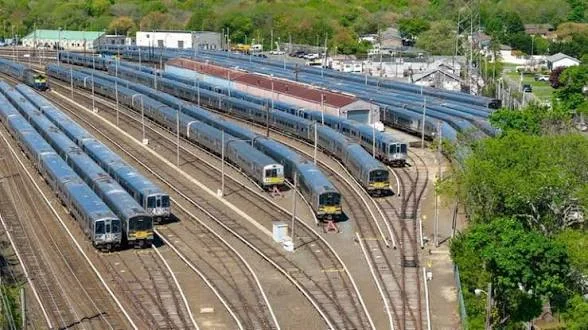
Five separate labor coalitions—representing locomotive engineers, signalmen, machinists, and key onboard train crews—rejected the MTA’s final contract compromise. In immediate response, the MTA issued an emergency directive suspending all passenger rail services until further notice, rendering major transportation hubs like Penn Station and the Grand Central Madison concourse entirely devoid of their typical weekday commuter volume.
Key Ground Developments from the Incident:
The Labor Walkout:
Over 3,500 LIRR workers representing five distinct transit unions initiated a full strike, completely freezing the commuter rail network.
The Core Dispute:
Labor leaders rejected a lump-sum contract offer, demanding a guaranteed 5% base salary increase for 2026 to counter local inflation.
Mass Commuter Impact:
The complete suspension of service directly cuts off transit for roughly 250,000 to 300,000 weekday passengers.
Economic Strain:
Financial analysts from the State Comptroller’s office estimate the ongoing shutdown could cost the regional economy up to $61 million per day.
Emergency Mitigation:
The MTA established temporary, free rush-hour shuttle buses from select Long Island hubs to New York City subway connections.
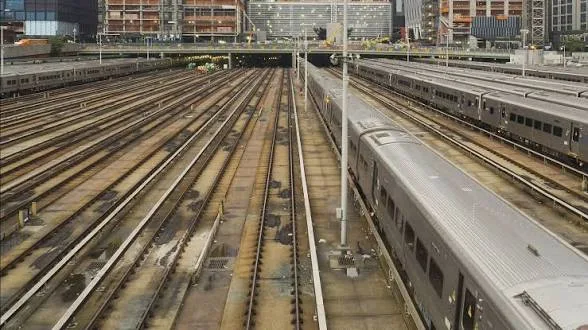
The fundamental breakdown in contract talks centers on wages and long-term inflationary protection. While both sides had previously negotiated retroactive wage increases covering 2023 through 2025, talks stalled over the terms for the current year.
The labor unions, led by Kevin Sexton, National Vice President of the Brotherhood of Locomotive Engineers and Trainmen, are demanding a 5% permanent increase to base salaries to offset the soaring cost of living in the New York area. Conversely, MTA Chairman Janno Lieber stated that the agency’s final offer met the unions’ pay demands but required lump-sum structures and increased healthcare premiums for future hires to protect riders from an estimated 8% fare increase.
The severe transit disruption drew immediate, intense political reactions from both state and federal leaders. New York Governor Kathy Hochul issued a formal public plea urging union leaders to return to the bargaining table immediately to prevent extended societal chaos, warning that a prolonged strike would severely punish working-class families.
The dispute quickly shifted into a high-profile political blame game, with President Donald Trump and local executives publicly holding state authorities responsible for failing to secure a timely resolution, while state officials criticized federal mediation panels for ending cooling-off periods too abruptly.
On the ground, the impact of the strike is already manifesting as a logistical nightmare for the tristate area. Local highways, including the Long Island Expressway and the Grand Central Parkway, reported unprecedented bumper-to-bumper traffic gridlock early Monday morning as hundreds of thousands of commuters were forced into personal vehicles.
New York City Mayor Zohran Mamdani announced that municipal agencies have activated maximum emergency traffic-management protocols, deploying additional traffic agents and maximizing subway capacities to accommodate the sudden influx of drivers and bus passengers.
With financial hubs facing massive employee absenteeism, regional business councils are warning of devastating financial fallout if the walkout extends through the week. State Comptroller Thomas DiNapoli released an analytical report warning that the paralyzing shutdown could drain up to $61 million daily in lost economic productivity, commerce, and retail revenues.
As union members establish active picket lines outside Penn Station, both the MTA and union representatives remain dug into their respective positions, with no further formal negotiating sessions scheduled.
Castle Journal Ltd
British company for newspapers and magazines publishing
London-UK – licensed 10675
Founder | Owner| CEO
Abeer Almadawy
Abeer Almadawy is a philosopher who established the third mind theory research and the philosophy of non-self and trans egoism. She is also the author of the New Global Constitution for the leadership Governance 2030/2032. She has many books published in English, Arabic, Chinese, French and others.
Castle Journal newspapers are the only voice and the brain of the world leadership governance.

