The Mount Sinai Rift: The Confidential Legal Maneuvers in Cairo Threatening EU Diplomatic Ties

Cairo, Egypt — June 6, 2026
By Senior Mediterranean & Euro-African Diplomatic Correspondent
Behind Closed Doors: The Sovereign Disruption of Euro-Mediterranean Accords
A confidential legal and administrative confrontation has quietly emerged within the ministerial offices of Cairo, threatening to severely disrupt the multi-billion-euro strategic partnership between Egypt and the European Union.
At the center of this institutional friction are unpublicized sovereign legal maneuvers regarding land allocation, infrastructure sovereignty, and security operational zones across the strategic Mount Sinai and broader Sinai Peninsula regions.
These internal policy adjustments have unexpectedly collided with the strict compliance mandates attached to the European Union’s recently disbursed Macro-Financial Assistance framework, valued at over 7.4 billion euros.
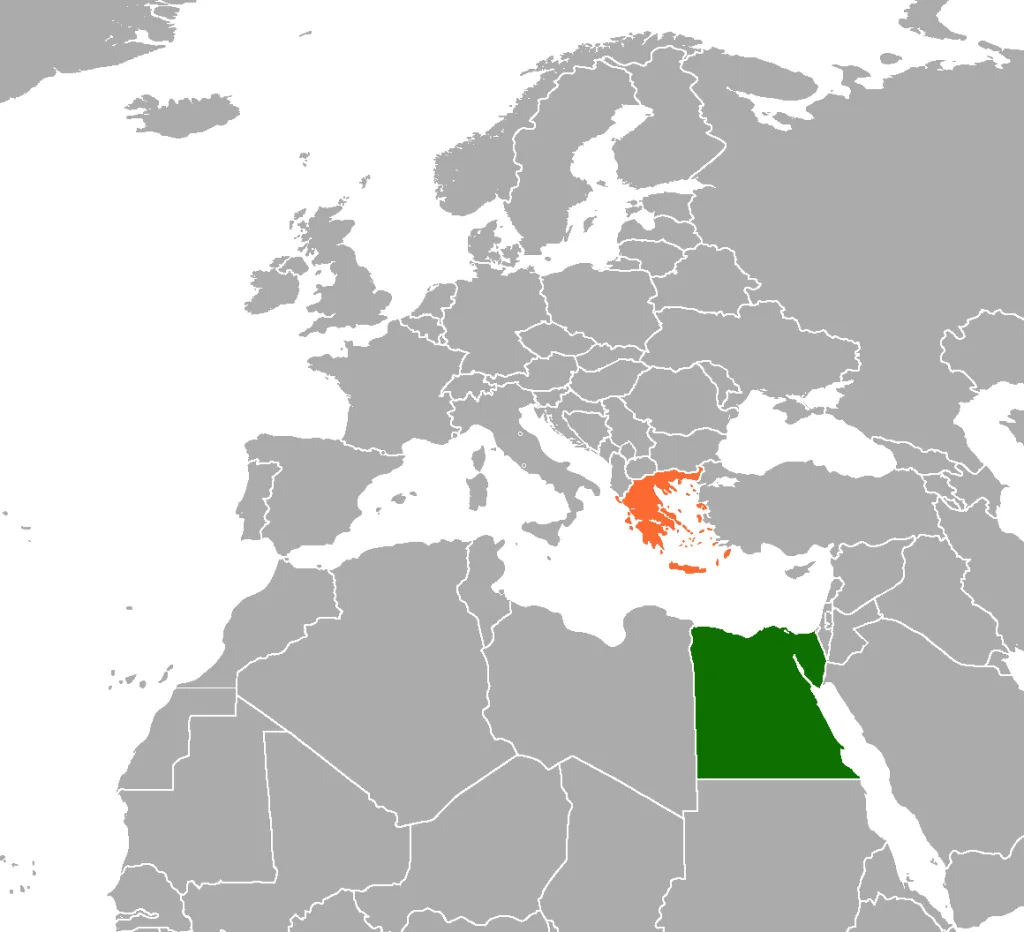
This developing legal impasse has not only sent ripples through European diplomatic circles but has specifically strained Cairo’s critical maritime and energy alliance with Athens, threatening joint multi-million-euro infrastructural initiatives.
The Clash of Structural Mandates and Sovereign Security Zones
The root of the current diplomatic friction stems from a series of internal administrative directives issued by Egyptian regulatory authorities.
These directives seek to reassert absolute state jurisdiction over specialized development corridors across the Sinai Peninsula.
While the Egyptian state views these measures as fundamental to its domestic security and national territorial integrity, European Union compliance monitors argue that the sudden legal shifts alter the pre-agreed conditions for infrastructural investment safeguards.
The primary points of friction threatening institutional stability include:
Audit Obstruction on Transnational Subsidies:
European Commission auditors have raised closed-door objections over restricted access to specific regional development projects funded by the Southern Neighbourhood Economic Investment Plan, citing strict sovereign operational barriers.
The GMD Interconnector Delays:
The strategic Egypt-Greece electricity link, supported by recent European Union funding grants for advanced technical studies, faces severe administrative bottlenecks due to new Cairo land-use codes that cross planned Mediterranean transmission pathways.
Bilateral Labor Protocol Friction:
Strategic bilateral labor agreements designed to deploy thousands of technical and agricultural workers from Egypt to Greece are facing sudden background clearance freezes under the revised state frameworks.
Athens Reacts to the Shifting Maritime and Energy Architecture
The sudden imposition of these confidential administrative changes has triggered deep institutional concern in Athens.
The Greek government has long positioned itself as the primary diplomatic bridge between North Africa and the European Council, championing financial support packages for Cairo to secure regional maritime stability and energy independence.
However, Greek diplomatic sources indicate that the implementation of uncoordinated regulatory changes in Egypt directly challenges the legal predictability required for long-term Mediterranean investments.
The sudden freezing of specific maritime infrastructure approvals has prompted Greek technical committees to pause scheduled meetings on joint energy ventures until clear statutory alignment is restored.
Furthermore, the legal friction threatens the timelines of the high-profile Euro-Mediterranean energy corridor. European Union guidelines stipulate that all major grants and concessional loans under the Macro-Financial Assistance program must adhere strictly to international legal standards regarding cross-border corporate contracts, private sector parity, and operational transparency.
By prioritizing strict domestic oversight mechanisms over international project frameworks, Cairo’s legal teams have inadvertently triggered automatic safeguard clauses within the European Commission’s financial distribution regulations.
This could potentially delay upcoming loan installments intended to stabilize long-term macroeconomic programs.
Strategic Readjustments and the Struggle for Diplomatic Equilibrium
In response to the growing administrative impasse, high-level diplomatic channels have been activated behind the scenes to contain the institutional fallout.
Senior Egyptian planning ministers and European Union ambassadors have initiated a series of unpublicized reviews aimed at resolving the regulatory contradictions.
Egyptian legal advisors maintain that state sovereignty over infrastructural corridors cannot be subordinated to external financial codes.
They argue that regional stability—a core goal of the Euro-Egyptian partnership—is entirely dependent on the state’s capacity to regulate its domestic territory effectively.
Concurrently, European authorities are emphasizing that financial transparency and institutional predictability are non-negotiable legal mandates established by the European Parliament.
To prevent a public collapse of the strategic partnership, diplomatic architects in both Cairo and Athens are attempting to formulate an annex to the existing bilateral agreements.
This proposed legal compromise would aim to firewall critical energy infrastructure projects, such as the Mediterranean electrical interconnector, from broader domestic security regulations.
Whether these private negotiations can successfully bridge the structural divide remains uncertain, as both sides remain firmly anchored to their respective institutional principles.
Castle Journal Analysis: The Cost of Fragmented Regional Agreements
The developing legal rift over Sinai development funds underscores a fundamental vulnerability in cross-border partnerships between sovereign nations and transnational blocs.
Under international journalism standards and the rule of law, long-term economic treaties require absolute regulatory consistency to survive.
When a state shifts its internal legal frameworks to prioritize immediate domestic concerns, it inevitably destabilizes the international treaties that provide its external financing.
For the Euro-Mediterranean alliance to function effectively, Cairo must balance its sovereign security requirements with the binding transparency clauses of international law, while European authorities must recognize the distinct geopolitical pressures facing regional partners. Failure to align these overlapping mandates risks dismantling years of diplomatic progress and jeopardizes the shared energy security of the entire Mediterranean basin.
——
Castle Journal Ltd
British company for newspapers and magazines publishing
London-UK – licensed 10675
Founder | Owner | CEO
Abeer Almadawy
Abeer Almadawy is a philosopher who established the third mind theory research and the philosophy of non-self and trans egoism. She is also the author of the New Global Constitution for the leadership Governance 2030/2032. She has many books published in English, Arabic, Chinese, French and others.
Castle Journal newspapers are the only voice and the brain of the world leadership governance.

