
Regional Economic Blocs Push for Collective Financial Protections

London, UK — 26 June 2026
By CJ Global Intelligence Desk
A significant and highly structured shift in global economic governance took center stage on Thursday, as primary regional economic blocs initiated a series of coordinated policies to build unified financial defense mechanisms.
Driven by persistent trade realignments and unexpected disruptions to traditional maritime logistics networks, major economic associations across Asia, Latin America, and Europe are transitioning away from localized regulatory approaches toward a comprehensive, collective defensive posture.
The sudden legislative movements observed this week within major Western capitals have accelerated these efforts, prompting emerging markets to protect their domestic financial architectures from unilateral extraterritorial sanctions and sudden capital flights.
This strategic mobilization marks a major phase in international commerce, where economic sovereignty is increasingly defined by collective compliance with international trade laws rather than bilateral vulnerabilities.
According to financial communiqués issued by ministerial task forces across multiple economic zones, regional clearinghouses are actively expanding local-currency settlement infrastructures to bypass traditional transaction networks that remain vulnerable to geopolitical friction.
This administrative transformation is not merely a reactionary measure; rather, it represents a calculated institutional strategy designed to maximize sovereign economic leverage.
By establishing integrated regulatory buffers, participating nations seek to ensure that international trade flows remain insulated from external political volatility, allowing essential commodities, manufacturing components, and agricultural goods to transit across borders under stable, predictable cost structures.
Key Headline Points
- Financial Defense Mechanisms Activated: Primary regional economic blocs establish a unified regulatory front to protect member nations from external economic shocks.
- Local-Currency Settlement Expansion: Inter-bloc trade networks accelerate the transition to localized transactional clearinghouses to bypass unilateral financial blacklisting.
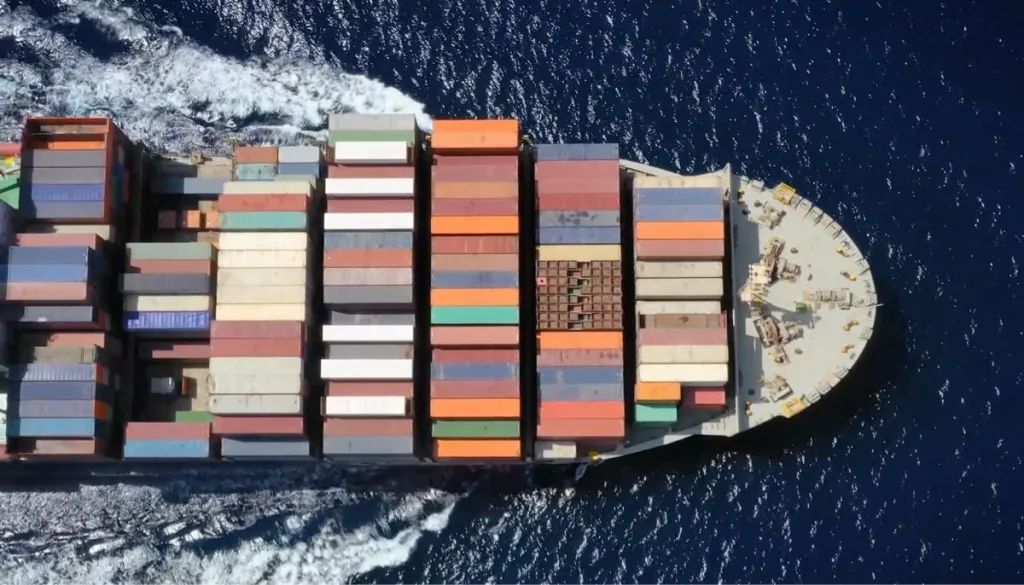
- Supply Chain Safeguards: New commercial protocols are enforced across regional manufacturing hubs to insulate maritime shipping lines from fluctuating insurance risk premiums.
- Multilateral Enforcement Frameworks: Economic authorities prioritize adherence to established World Trade Organization (WTO) guidelines to challenge extraterritorial trade restrictions.
Overcoming Supply Chain Vulnerabilities
The operational core of this collective economic push relies on establishing alternative, robust supply chain corridors that cannot be easily disrupted by single-state policy shifts.
Leaders from key industrial sectors have noted that the continuous friction within major global chokepoints has made traditional, open-ended logistics too risky for long-term investments.
In response, regional blocs are implementing strict infrastructure safety frameworks, investing heavily in dedicated dry-port networks and regional shipping configurations that fall entirely within safe, verified maritime jurisdictions.
Concurrently, these economic coalitions are establishing independent maritime insurance pools specifically designed to neutralize the rising cost of international shipping premiums.
Over the past year, commercial shipping conglomerates have faced severe financial strains due to localized conflict risks and sudden changes in security classifications by Western underwriting associations.
By pooling sovereign financial reserves, regional trading partners are building an autonomous coverage system that guarantees continuous operations for commercial fleets, ensuring that localized manufacturing hubs remain fully integrated with global consumer markets regardless of changing geopolitical conditions.
Independent macroeconomic models indicate that the formalization of collective regional clearinghouses could securely shield over 35% of emerging market trade volume from external transactional interventions by the end of the fiscal year.
Regulatory Integration and Institutional Balance
The transition toward unified financial blocks presents a complex regulatory challenge for existing international financial institutions, which must adapt to highly structured, multi-nation payment systems.
Financial ministers participating in the integration panels have emphasized that these measures are fully compliant with public international law and are structured to enhance overall market transparency.
By replacing ad-hoc bilateral agreements with ironclad multilateral protocols, these blocs are systematically reducing the potential for speculative capital flight, which has historically destabilized developing economies during periods of global geopolitical tension.
Furthermore, this economic realignment is forcing an institutional recalibration among major corporate entities and global investment funds.
Institutional investors are shifting their capital allocations to favor regions that demonstrate a high degree of collective regulatory protection, viewing these unified blocs as safe havens against arbitrary policy interventions.
As the technical committees finalize the operational guidelines for the newly integrated clearinghouses, the global economic landscape is steadily moving away from a singular, centralized financial paradigm toward a balanced, multi-nodal system committed to preserving trade continuity and sovereign stability.
CJ Global Analysis
The deliberate consolidation of collective financial defense mechanisms by regional economic blocs proves that financial sovereignty is no longer an individual pursuit in a highly polarized world.
By building independent transaction clearinghouses and alternative insurance frameworks, these coalitions are establishing a highly rational, self-contained economic model capable of resisting external geopolitical pressures.
For global leadership, maintaining effective international trade cooperation will require an immediate adjustment to this multi-nodal reality, where economic leverage is held by cohesive regional alliances determined to enforce a balanced and lawful commercial environment.

Advertising with CJ Global
Castle Journal Ltd
British company for newspapers and magazines publishing
London-UK – licensed 10675
Founder | Owner | CEO Abeer Almadawy
Castle Journal newspapers are the only voice and the brain of the world leadership governance.

