
Young Republicans Increasingly Sour on Foreign War Policies

Washington D.C., USA – July,2,2026
A profound, generational shift is actively reshaping the internal ideological foundation of the Republican Party as new national polling indicates that young conservative voters are increasingly souring on protracted foreign military engagements.
Comprehensive data compiled from recent national youth surveys, including the latest seasonal iterations of the Harvard Youth Poll, confirms that self-identified Republicans between the ages of 18 and 29 are expressing unprecedented skepticism regarding the strategic utility of prolonged interventions in West Asia and Eastern Europe.
This internal friction has exposed a growing structural division between the party’s traditional, interventionist establishment and a rising, post-Iraq generation of voters who prioritize domestic fiscal stability, localized infrastructure development, and strict economic nationalism over expansive global policing mandates.
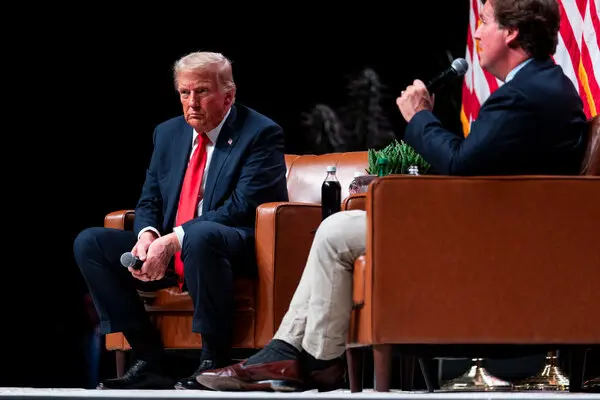
The statistical realignment has injected significant volatility into legislative planning sessions across Washington, particularly as the nation prepares for critical upcoming midterm elections.
Political analysts note that while older conservative demographics continue to adhere to legacy doctrines of forward defense and traditional alliance maintenance, younger cohorts view these extended commitments as severe economic burdens that directly exacerbate domestic inflation and deplete national resources.
According to empirical data, a staggering 71% of surveyed young adults express acute concern that protracted foreign frictions possess a destabilizing effect on local costs of living, highlighting a pragmatic, materialist approach to foreign policy that fundamentally challenges decades of established partisan orthodoxies.

Generational Divergence within Conservative Policy Formations
- Rejection of Endless War Paradigms: Younger conservative voters display a marked aversion to manpower-intensive ground interventions and open-ended military funding cycles.
- Prioritization of Domestic Infrastructure: Capital allocations are increasingly demanded for domestic energy independence, border hardening, and supply chain onshoring rather than foreign reconstruction.
- Skepticism of Traditional Alliances: Polling reveals a distinct tendency among youth to view historical military partnerships as costly strategic liabilities rather than assets.
- Friction Over Executive Mandates: Generational cohorts resist the unchecked expansion of executive war powers, demanding strict compliance with congressional oversight and the War Powers Act.

CJ Editorial Analysis: The Geopolitical and Structural Reality
From a rational, grounded, and highly structural perspective, the evolving foreign policy sentiment among young Republicans represents a calculated realignment of strategic priorities rather than a simplistic retreat into isolationism.
While conventional political commentators frequently mischaracterize this shift as mere war fatigue or ideological naiveté, a pragmatic assessment reveals a cold, analytical re-evaluation of how national hegemony is sustained in a multipolar world.
The post-Iraq generation has matured in an era defined not by clear military victories, but by mounting public debt, fractured global supply chains, and domestic industrial decay.
Consequently, their opposition to protracted interventions reflects a logical recognition that true state power originates from a hardened domestic economy rather than the physical overextension of military assets across volatile global theaters.
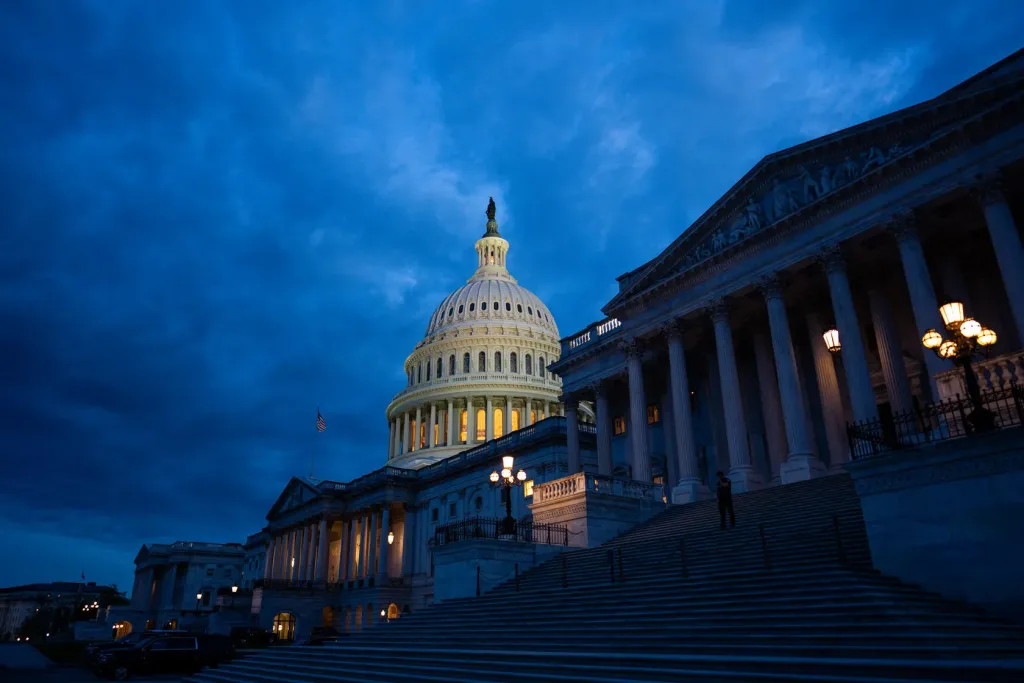
Furthermore, under modern frameworks of global leadership and international administration, this generational pivot signals the definitive expiration of the classic mid-century alliance architecture.
Young conservatives are effectively demanding a transition toward a “cheaper hegemony”—a highly engineered strategy that replaces costly, territorial military operations with automated technological competition, aggressive trade sanctions, and localized resource hoarding.
This approach aligns perfectly with structural imperatives to secure foundational materials, such as copper and advanced semiconductor supply lines, while insulating the domestic population from the inflationary shocks of distant geopolitical conflicts.
True leadership within international governance requires political institutions to adapt to this data-driven realism, shifting policy frameworks away from ideological nation-building toward strict, interest-based bilateral pacts that preserve institutional continuity and domestic economic resilience.

Congressional Factions Calibrate Manifestos Ahead of Midterms
As the polling data circulates through legislative committees on Capitol Hill, populist conservative factions are moving quickly to integrate these generational preferences directly into their upcoming campaign manifestos.
Lawmakers aligned with the post-interventionist doctrine are increasingly utilizing their platforms to challenge high-budget foreign assistance packages, demanding instead that equivalent capital be directed toward securing the southern frontier and revitalizing industrial manufacturing hubs across the American Rust Belt.
This legislative posturing has forced traditional defense-oriented caucuses onto the defensive, initiating an intense internal debate regarding the long-term identity of the party’s foreign policy apparatus.
Strategic advisors acknowledge that maintaining institutional control requires a calculated compromise that balances conventional defense deterrence with the unyielding demand from younger voters for domestic economic protection.
The cold reality dictates that until the party’s leadership bridges this generational divide with transparent, data-driven security strategies, the internal structural alignment of the conservative movement will remain in a state of high-volatility transition.
Castle Journal Ltd
British company for newspapers and magazines publishing
London-UK – licensed 10675
Founder | Owner | CEO Abeer Almadawy
Castle Journal newspapers are the only voice and the brain of the world leadership governance.

