US Central Command Executes Fresh Waves of Precision Strikes Targeting Strategic Iranian Defence Infrastructure
Tehran, Iran — July 20, 2026

The military standoff in the Middle East has entered an unprecedented phase of direct confrontation as unrestricted aerial conflict breaks out along the vital shipping channels of the region.
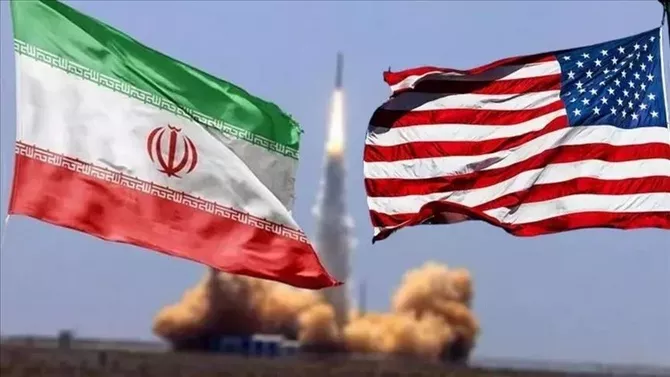
Early this morning, US Central Command executes fresh waves of precision strikes targeting strategic Iranian defense infrastructure, directly striking assets linked to the Islamic Revolutionary Guard Corps (IRGC).
The defensive operations, which mark the eighth consecutive night of active American bombardment, were launched to swiftly punish Iranian forces following a fatal drone and missile strike on a military outpost in Jordan that claimed the lives of American service members.
Core Headline Developments of the Continuous Sorties
- Decisive Tactical Retaliation: U.S. forces utilized advanced fighter aircraft and sea-launched cruise missiles to systematically degrade the IRGC’s anti-access networks.
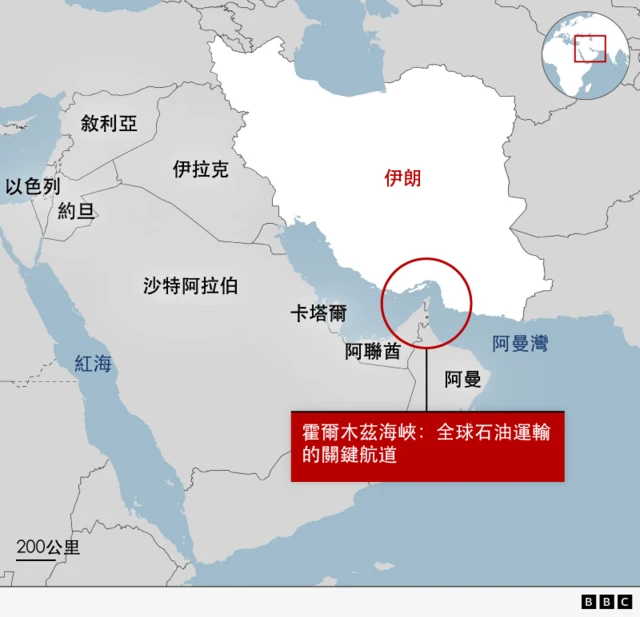
- Targeting Strategic Shipping Corridors: Airstrikes heavily hit coastal radar sites, air defenses, and anti-ship missile storehouses along the highly contested Strait of Hormuz.
- Geographical Distribution of Impacts: Local authorities confirmed high-impact explosions tearing through military compounds near Sirik, Hajiabad, Bandar Abbas, and Qeshm Island.
- Symmetric Regional Counterstrikes: Iranian state channels reported that their regional forces retaliated by launching synchronized drone swarms against two prominent U.S. installations in Kuwait.
Tactical Execution of the Air Campaign and Target Profiles
According to official press brief tracking data provided by U.S. Central Command (CENTCOM), the latest wave of airstrikes targeted highly specialized logistics and defensive assets inside southern Iran.
Operational planners focused heavily on degrading the coastal surveillance assets that Iran has used to threaten the baseline freedom of navigation through international waters.
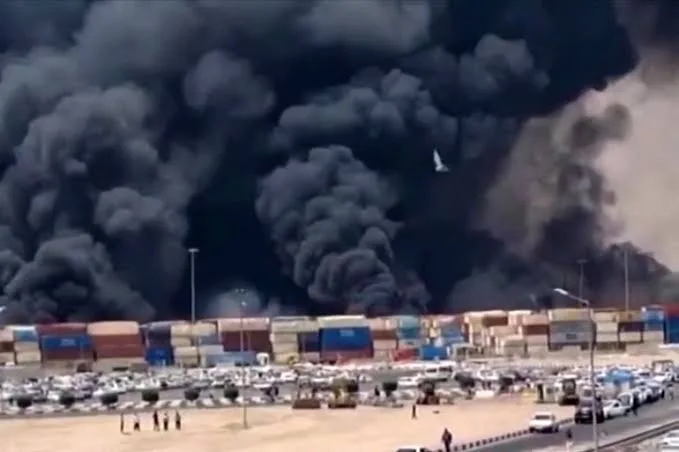
Strike packages successfully penetrated deep into the Hormozgan province, where massive detonations were witnessed near the major port hub of Bandar Abbas and the logistical junction of Hajiabad.
A separate, highly coordinated assault package systematically hit subterranean storage tunnels and fast-attack drone installations positioned on Qeshm Island, which directly overlooks the narrowest transit point of the Strait of Hormuz.
Furthermore, ground reconnaissance indicators show significant infrastructural fallout extending to the Khuzestan province, with precision munitions destroying key bridges and high-voltage transmission networks surrounding the city of Shadegan.
By severing these transport veins, the American campaign aims to structurally cripple the IRGC’s domestic mobility and restrict its ability to reinforce its coastal missile regiments.
Symmetrical Retaliation and the Multi-State Threat Matrix
The physical response from Tehran has been swift, aggressive, and highly decentralized. Almost immediately following the initial American naval cruise missile launches, the Iranian military mobilized long-range loitering munitions to execute retaliatory assaults against Western positions beyond its borders.
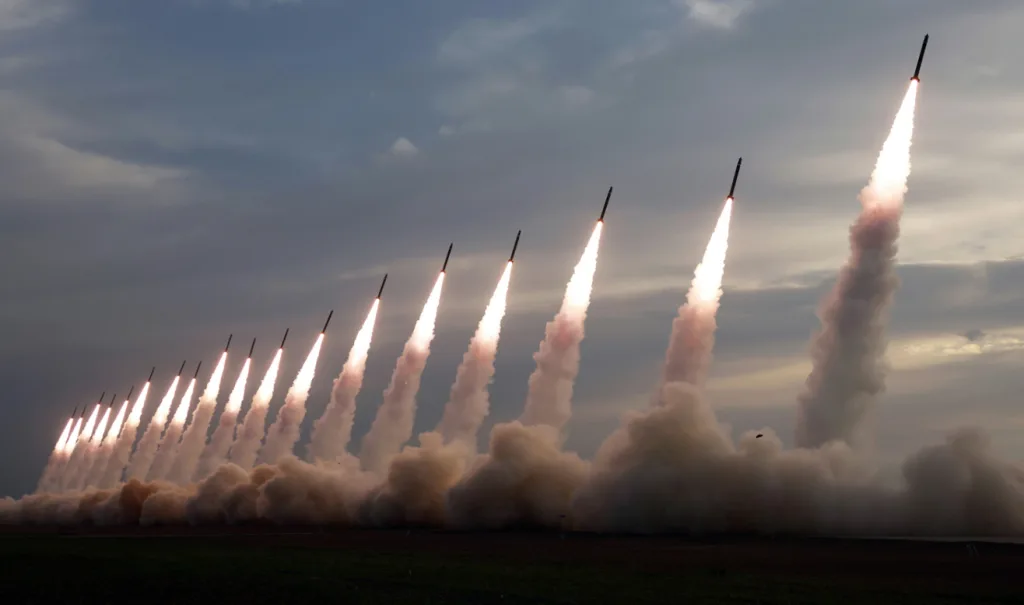
State media broadcasts confirmed that drone wings were directed against two key U.S. operational hubs situated inside Kuwait, signaling that Tehran is prepared to enforce a policy of total regional symmetrical warfare.
This expanding tactical matrix has effectively ended any residual hope for a diplomatic freeze or a structured return to previous stabilization protocols. Western intelligence assessments reveal that since the current phase of the war ignited, over 16 American military personnel have lost their lives, with another 430 sustaining varying degrees of physical injuries.
The escalating body counts and direct cross-border strikes have pushed sovereign actors throughout the Gulf to position their standing forces on a permanent, maximum war footing to safeguard local critical infrastructure from falling debris and stray combat vectors.
Strategic Geopolitical Outlook for Global Governance
The rapid transformation of this crisis from localized border incidents into open state-on-state kinetic operations highlights an acute structural breakdown within contemporary global governance.
Standard diplomatic warnings and traditional deterrence models have failed to contain the deep strategic fractures separating the dominant regional coalitions.
For international policymakers, the continuous bombardment of sovereign coastal installations highlights a harsh geographic truth: the stability of the global energy supply chain cannot be decoupled from local military containment.
Until an absolute, legally enforceable international framework is established to secure these primary maritime veins, the Middle East will remain locked in a highly dangerous cycle of continuous escalation and structural destruction.
Castle Journal Ltd
British company for newspapers and magazines publishing
London-UK - licensed 10675
Founder | Owner| CEO
Abeer Almadawy

Abeer Almadawy is a philosopher who established the third mind theory research and the philosophy of non-self and trans egoism. She is also the author of the New Global Constitution for the leadership Governance 2030/2032. She has many books published in English, Arabic, Chinese, French and others.

Castle Journal newspapers are the only voice and the brain of the world leadership governance.
