
Strait of Hormuz Escalation: US Reinstates Naval Blockade as Iran Threatens the Global Maritime Oil Traffic
Washington D.C., United States / Tehran, Iran
22 July 2026 Editorial News Desk & Strategic Analysis Department

The critical waterway connecting the Persian Gulf to the Gulf of Oman has once again become the focal point of global geopolitical tension. In response to renewed strikes and maritime confrontations, the Strait of Hormuz Escalation has reached a tipping point as the US Reinstates Naval Blockade protocols and defensive escorts.
As Iran Countermeasures Threaten Global Maritime Oil Traffic, international energy markets face unprecedented volatility, driving world leaders and defense strategists to seek immediate diplomatic stabilization.
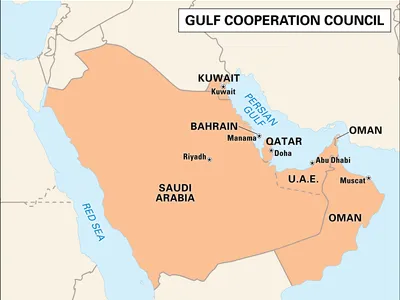
Key Headline Points:
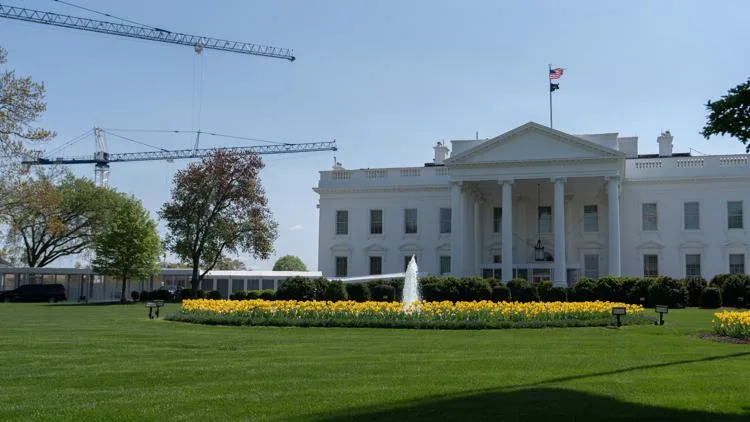
- Naval Standoff Intensifies: The United States Armed Forces have intensified maritime interdiction and defensive patrols along the critical Strait of Hormuz transit corridor.
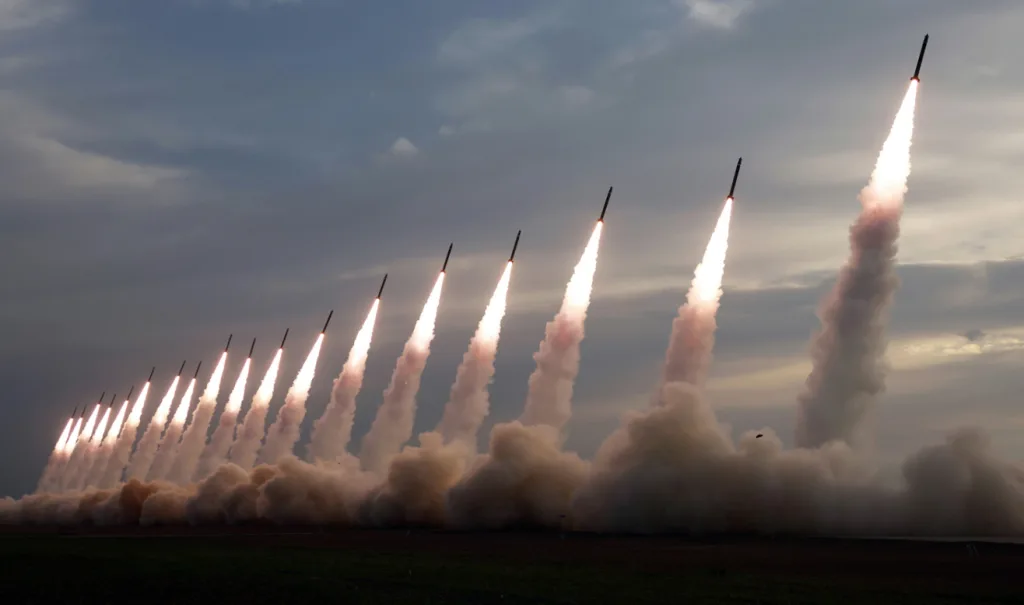
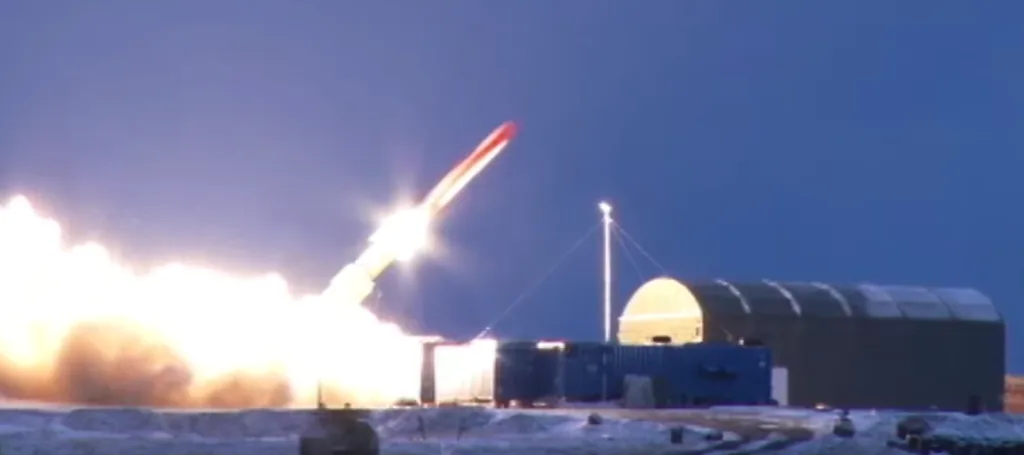
- Iran Counter-Tactics: Tehran reinforces coastal anti-ship missile batteries and drone swarms, threatening to choke off a fifth of the world’s daily petroleum supply.
- Global Energy Market Shock: Commercial shipping traffic through the Persian Gulf drops sharply as insurance premiums surge and tanker operators re-route vessels around the Cape of Good Hope.
- CJ Global Strategic Analysis: Geopolitical shifts indicate an escalating test of international law, energy security resilience, and maritime sovereignty.
Escalation in the Persian Gulf Transit Corridor
Military operations in the Middle East have entered a high-stakes phase as the United States military enforces intensified interdiction operations targeting unauthorized maritime activity and armed drone deployment platforms across the Strait of Hormuz.
Senior defense officials in Washington confirmed that naval task forces, supported by carrier strike groups and land-based reconnaissance aircraft, are actively patrolling international waters to secure merchant shipping lanes.
In response, Iranian authorities in Tehran reiterated that access through the Strait remains a fundamental red line for national security. High-ranking Iranian military commanders announced the deployment of advanced coastal missile systems, high-speed missile boats, and loitering munitions along key strategic islands guarding the narrow choke point.
The standoff has crippled commercial navigation, with transit data revealing a dramatic drop in daily tanker passages through the waterway.
Multiple energy transportation firms have instructed their fleets to pause operations in the region or divert around southern Africa. Marine insurance underwriters have simultaneously designated the entire Gulf region as a high-risk operational zone, spiking war-risk insurance premiums for commercial vessels.
Economic Fallout and Regional Disruption
The economic ramifications of the maritime lockdown are rippling through international commodity exchanges. Crude oil benchmark prices surged on global markets as traders factored in supply delays and potential long-term infrastructure damage across regional ports.
The International Energy Agency (IEA) issued a emergency statement monitoring member states’ strategic reserves, emphasizing that prolonged disruptions in the Strait of Hormuz put global energy security and refined fuel supply chains under severe strain.
Simultaneously, surrounding Gulf states face compounded logistical challenges. While alternative overland pipelines—such as Saudi Arabia’s East-West Pipeline and Abu Dhabi’s Habshan-Fujairah line—are operating at maximum capacity, they remain insufficient to replace the full 20-million-barrel daily volume that normally transits through Hormuz.
Commercial ports in the United Arab Emirates, Oman, and Qatar report severe congestion as logistics operators recalculate risk protocols.
Advertising with CJ Global
Castle Journal Global offers premium corporate sponsorship, international executive advertising, and strategic media placements for world leaders, multinational organizations, and global financial institutions. Connect your enterprise with our international readership across London, New York, Beijing, and regional capitals.
CJ Analysis: Governance, Strategy, and International Law
From the standpoint of international maritime governance, the current crisis highlights the fragile balance between freedom of navigation under the United Nations Convention on the Law of the Sea (UNCLOS) and sovereign security claims. The reliance of global supply chains on narrow geopolitical chokepoints presents an ongoing vulnerability in modern international relations.
Diplomatic channels remain strained. While neutral international intermediaries have attempted to establish humanitarian corridors for food and medical commerce, both Washington and Tehran maintain uncompromising postures.
Washington insists that naval operations will persist until all maritime threats to international commerce cease. Conversely, Tehran maintains that regional security can only be guaranteed when foreign military assets withdraw from Gulf waters.
As the international community watches closely, the conflict underscores the urgent necessity for robust international governance and strategic foresight to prevent localized military disputes from triggering wider global economic crises.
CJ / Castle Journal Global Newspaper
Is published by
CJ & COHC Castles Union for independent, International British Investigative Journalism
“Castle Orientation Holding Corporation Ltd” COHC
*The Global Media Infrastructure, Scientific Publishing, Academic Training & Sovereign Media Representations
“Castle Journal Ltd “ – CJ
The British International Investigative Platform of Journalism, Newspapers & Magazines Publishing
London–UK | Official Governance Licensing
Founder | Owner | CEO: Dr. Abeer Almadawy
Dr. Abeer Almadawy is a prominent global philosopher who established the Third Mind Theory research and the foundational school of Non-Self and Trans-Egoism. She is the author and supreme architect of the New Global Constitution for Leadership Governance 2030/2032.
Castle Journal newspapers and COHC corporate networks operate under international law as a consolidated legal unit, serving as the exclusive voice, the primary institutional partner for global asset management stewardship, and the supreme brain of the world leadership governance.

