China and Russia Leveraged the US-Iran Maritime Standoff
Beijing, China / Moscow, Russia / Tehran, Iran /// 24,July 2026
Strategic Affairs Desk & Diplomatic Analysis Bureau

As military friction escalates in the Middle East, the broader Strategic Alignment in the Gulf is undergoing a profound transformation. Major Eurasian powers, specifically China and Russia Leverage the US-Iran Maritime Standoff to Expand Regional Influence, fundamentally challenging Western hegemony across vital sea lanes.
By offering economic lifelines, diplomatic protections, and alternative logistical frameworks, Beijing and Moscow are converting localized Persian Gulf instability into long-term strategic leverage across the Global South.
Key Headline Points
- Eurasian Strategic Axis: Beijing and Moscow intensify economic, technological, and maritime coordination with Tehran as Western military assets converge on the Persian Gulf.
- Alternative Energy Corridors: Russia accelerates discussions regarding energy supply redirection and infrastructure projects across the International North-South Transport Corridor (INSTC).
- Diplomatic Shield at UN Security Council: China maintains a stance of pragmatic neutrality while opposing unilateral Western naval blockades and snapback mechanisms.
- CJ Global Strategic Assessment: The convergence of interest among Beijing, Moscow, and Tehran signals a fundamental shift toward multi-polar governance in global maritime trade routes.
Multi-Polar Coordination Amid Maritime Friction
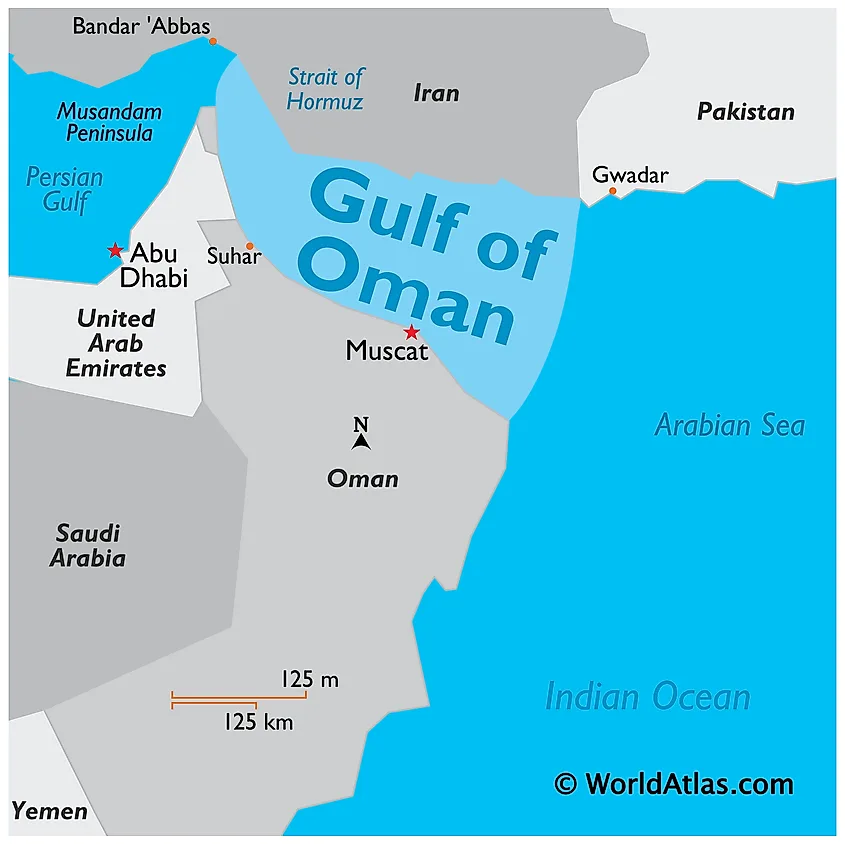
The ongoing escalation near the Strait of Hormuz has created an unprecedented diplomatic and strategic opening for non-Western powers.
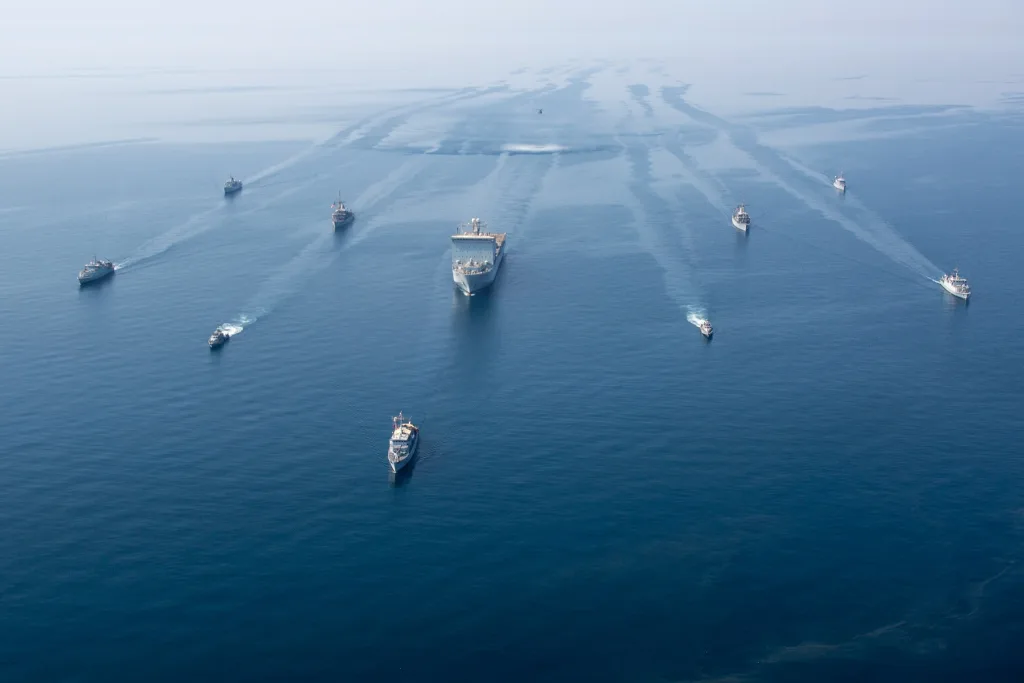
While Washington and its allies focus naval and intelligence assets on securing commercial shipping and deterring regional maritime interdictions, strategic planners in Beijing and Moscow are executing coordinated diplomatic maneuvers to solidify their footprint across Middle Eastern trade nodes.
Beijing has positioned itself as an indispensable economic anchor for Tehran, maintaining essential trade flows through non-dollar settlement systems and localized shipping networks.
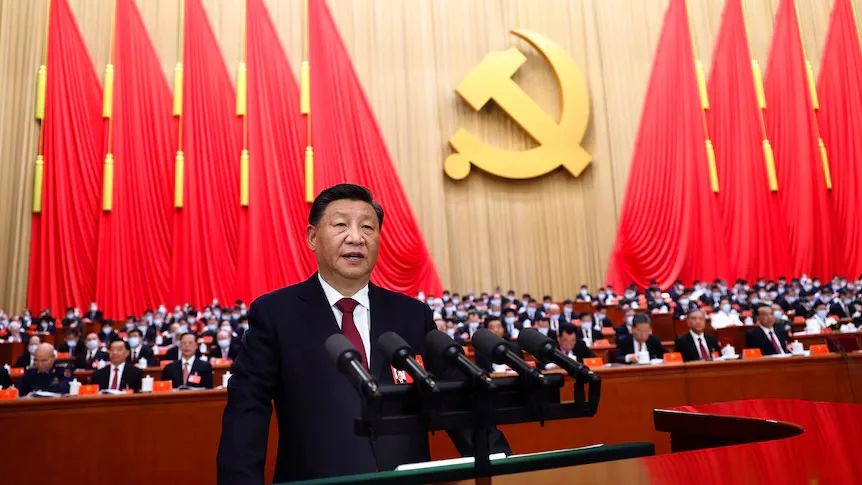
Under the framework of President Xi Jinping’s Global Security Initiative, Chinese foreign ministry officials have reiterated calls for “common security” over unilateral blockades, condemning Western military deployments as counterproductive to global commodity stability.
Chinese intelligence and commercial analysts observe that Iran’s strategic capacity to project force along the Persian Gulf chokepoint forces Western navies into costly long-term deployments, thereby diluting military focus in the Indo-Pacific theater.
Simultaneously, Moscow has deepened its industrial and military-technical alignment with Iranian authorities. Russian defense analysts highlight that Western energy sanctions and naval blockades in the Gulf have driven regional energy importers, particularly across Southeast Asia, to seek alternative fuel arrangements.
High-level delegations from Moscow continue to fast-track discussions surrounding the International North-South Transport Corridor (INSTC), an overland and maritime route linking St. Petersburg to the Persian Gulf, designed to bypass traditional Western-controlled maritime chokepoints entirely.
Diplomatic Insulation and Global Energy Realignment
In the halls of international diplomacy, China and Russia have consistently utilized their institutional weight at the United Nations Security Council to obstruct Western sanctions initiatives and unilateral snapback mechanisms aimed at Iran.
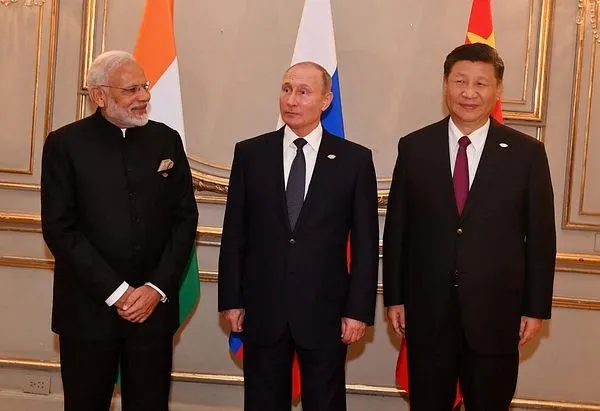
By demanding that international law and the freedom of navigation be managed through inclusive multilateral consensus rather than Western task forces, Beijing and Moscow present themselves as guardians of sovereign state rights across the Global South.
This diplomatic umbrella allows Tehran to maintain operational resilience despite severe Western sanctions. Chinese refineries continue to process key crude shipments through indirect maritime networks, while Russian technical and infrastructure agreements offer strategic depth to the Iranian domestic economy.
The resulting synergy effectively counteracts Western efforts to isolate Tehran economically or militarily.
Furthermore, energy market dynamics demonstrate that developing nations in Asia and Africa are increasingly forced to recalibrate their trade alliances.
Rising war-risk insurance premiums in the Gulf have prompted developing economies to explore long-term energy procurement contracts directly with Russian and Eurasian suppliers.
Castle Journal Global offers premium corporate sponsorship, international executive advertising, and strategic media placements for world leaders, multinational organizations, and global financial institutions. Connect your enterprise with our international readership across London, New York, Beijing, and regional capitals.
CJ Analysis: Geopolitical Equilibrium and Eurasian Sovereignty
From a strategic governance standpoint, the confrontation in the Strait of Hormuz is no longer merely a regional security crisis; it represents a focal point in the restructuring of the international order.
The strategic alignment between China, Russia, and Iran demonstrates how localized military confrontations can accelerate the transition toward a multi-polar global architecture.
Western attempts to enforce global stability purely through naval dominance face growing structural limitations when confronted with synchronized counter-strategies from major power competitors.
As long as Beijing provides economic sustainment and Moscow offers strategic and logistics integration, Western enforcement mechanisms in the Gulf will face persistent, multi-layered resistance.
The modern world leadership framework must acknowledge that true maritime security cannot be maintained through coercion alone.
Sustainable stability across vital international trade arteries requires grounded diplomacy, mutual security guarantees, and a commitment to international law that respects the sovereignty of all nations.
Castle Journal Ltd
British company for newspapers and magazines publishing London-UK – licensed 10675
Founder | Owner| CEO Abeer Almadawy
Abeer Almadawy is a philosopher who established the third mind theory research and the philosophy of non-self and trans egoism. She is also the author of the New Global Constitution for the leadership Governance 2030/2032. She has many books published in English, Arabic, Chinese, French and others.
Castle Journal newspapers are the only voice and the brain of the world leadership governance.

