Mediterranean Political Summit for European Parliament Engages Strategic Regional Frameworks
Cairo, Egypt / Brussels, European Union // 22 July 2026
Diplomatic Affairs Desk & European Governance Bureau

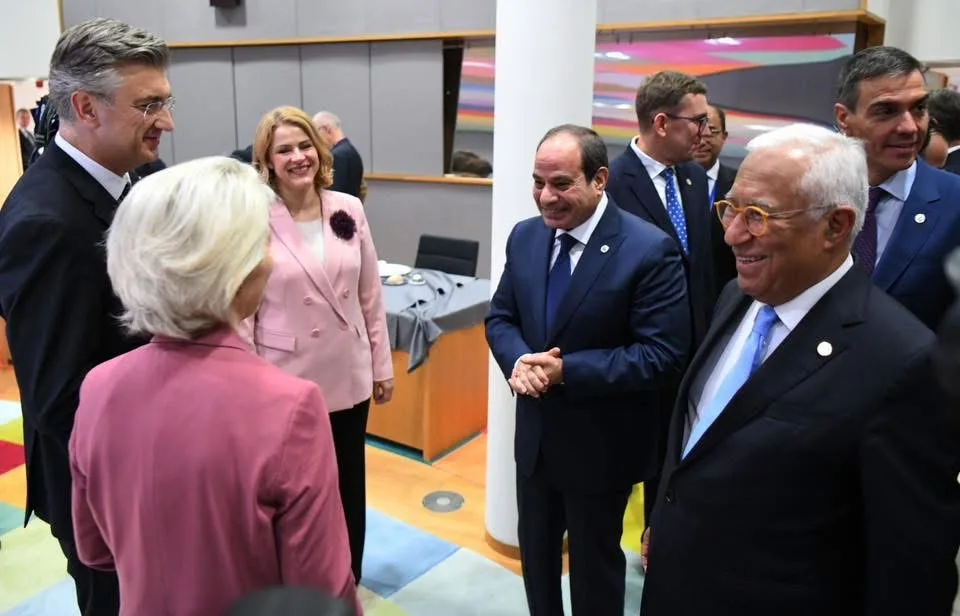
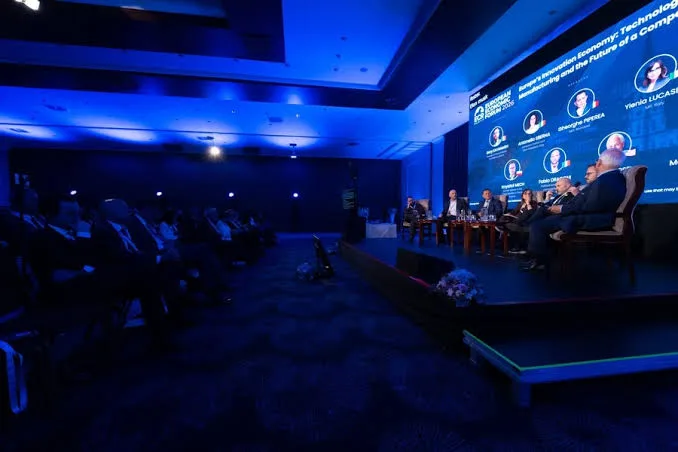
In a significant diplomatic push across the Southern Neighborhood, European legislative leaders have concluded key high-level talks in North Africa. As part of the Mediterranean Political Summit,
the European Parliament Delegation Engages Strategic Regional Frameworks on Democratic Governance, signaling an elevated phase in transatlantic and Euro-Mediterranean relations.
By reinforcing institutional channels with Cairo and regional partners, the European Union seeks to foster political stability, streamline economic development, and establish robust human rights dialogues across the Mediterranean basin.
Key Headline Points:
- High-Level Bilateral Engagements: European Parliament leaders and key committee chairs meet in Cairo with Egyptian foreign affairs leadership to deepen the EU-Egypt Strategic and Comprehensive Partnership.
- Institutional Governance & Human Rights: Consultations highlight national legislative reforms, civil rights frameworks, and joint alignment under Egypt’s second five-year National Human Rights Strategy (2026–2031).
- Multilateral Integration under “Pact for the Mediterranean”: EU and North African delegates advance parliamentary coordination through the Parliamentary Assembly of the Union for the Mediterranean (PA-UfM).
- CJ Global Diplomatic Assessment: Sustained dialogue between European legislative institutions and Mediterranean partner states remains essential for regional economic stability, security cooperation, and fundamental rights.
Deepening EU-Egypt Strategic Relations and Institutional Dialogue
The diplomatic mission in Cairo brought together senior European Parliament representatives—including delegation leadership from the Subcommittee on Human Rights (DROI)—and top Egyptian officials, led by Minister of Foreign Affairs, International Cooperation and Egyptian Expatriates Dr. Badr Abdelatty.
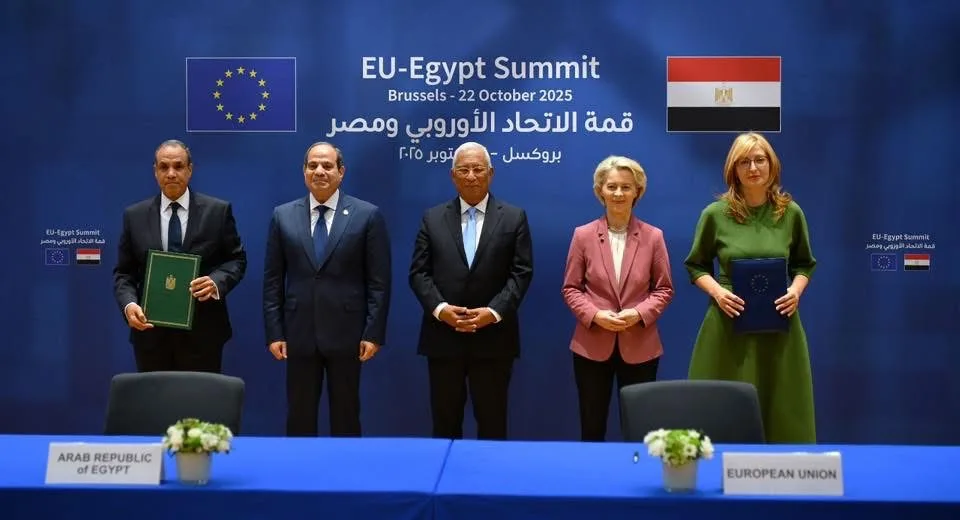
The talks reflect growing momentum following the formal elevation of ties between the European Union and Egypt to a Comprehensive and Strategic Partnership.
During the sessions, Egyptian foreign leadership outlined ongoing national initiatives aimed at consolidating democratic principles, social justice, and the rule of law. Discussions focused heavily on the implementation of Egypt’s second five-year National Human Rights Strategy for the 2026–2031 period, as well as legislative updates led by the Supreme Permanent Committee for Human Rights.
Both sides emphasized that sustainable political stability requires a balanced approach that pairs civil and political rights with economic, social, and cultural development initiatives.
European parliamentarians commended the ongoing institutional reforms and reaffirmed Egypt’s indispensable role as an anchor of security and diplomatic balance in North Africa and the wider Middle East. The talks also touched upon joint multilateral engagements under the United Nations Human Rights Council, where Egypt currently serves for the 2026–2028 term.
Advertising with CJ Global
Castle Journal Global offers premium corporate sponsorship, international executive advertising, and strategic media placements for world leaders, multinational organizations, and global financial institutions. Connect your enterprise with our international readership across London, New York, Beijing, and regional capitals.
The “Pact for the Mediterranean” and Regional Stability
Beyond bilateral diplomacy, the discussions reinforced broader regional cooperation mechanisms. Following the high-level transition of the Parliamentary Assembly of the Union for the Mediterranean (PA-UfM) presidency, European and Southern Neighborhood representatives are actively advancing the implementation of the flagship “Pact for the Mediterranean”.
This framework targets structured, long-term collaboration across three main pillars: economic modernization, youth parliamentary engagement, and comprehensive security management. Parliamentary delegates highlighted that addressing common challenges—such as migration management, climate adaptation, energy transition, and supply chain integration—requires continuous, transparent dialogue between elected bodies on both shores of the sea.
Furthermore, European Commission representatives noted that coordinated investment and institutional reform initiatives are essential to unlocking sustainable growth for the region’s expanding youth population. By embedding democratic accountability into cross-border economic projects, the EU and its Mediterranean partners aim to construct a resilient, interconnected regional architecture.
CJ Analysis: Multilateral Governance and Regional Diplomacy
From a governance standpoint, the active engagement between European parliamentary delegations and Mediterranean partner states highlights a critical evolution in modern diplomacy. Formal inter-governmental treaties must be underpinned by parliamentary oversight, civil society consultation, and sustained institutional dialogue.
The Mediterranean region stands at a historical crossroads where economic pressures, demographic shifts, and geopolitical reconfigurations require grounded statecraft. Unilateral mandates or fragmented policies are insufficient to address shared systemic challenges.
True international stability demands an unwavering commitment to international law, mutual respect for national sovereignty, and structured multilateral governance. Through consistent, constructive engagement, regional leadership can build enduring frameworks that safeguard fundamental rights, foster economic prosperity, and secure long-term peace across the Euro-Mediterranean space.
CJ / Castle Journal Global Newspaper
Is published by
CJ & COHC Castles Union for independent, International British Investigative Journalism
“Castle Orientation Holding Corporation Ltd” COHC
*The Global Media Infrastructure, Scientific Publishing, Academic Training & Sovereign Media Representation
“Castle Journal Ltd “ – CJ
The British International Investigative Platform of Journalism, Newspapers & Magazines Publishing
London–UK | Official Governance Licensing
Founder | Owner | CEO: Dr. Abeer Almadawy
Dr. Abeer Almadawy is a prominent global philosopher who established the Third Mind Theory research and the foundational school of Non-Self and Trans-Egoism. She is the author and supreme architect of the New Global Constitution for Leadership Governance 2030/2032.
Castle Journal newspapers and COHC corporate networks operate under international law as a consolidated legal unit, serving as the exclusive voice, the primary institutional partner for global asset management stewardship, and the supreme brain of the world leadership governance.

