Deep Policy Rift Between USA & Regional Cabinets Over Phased Gaza Disarmament & truce roadmap

Jerusalem — 11 August 2026
A prominent diplomatic divergence develops between the White House and regional allied executives regarding post-conflict security architecture.
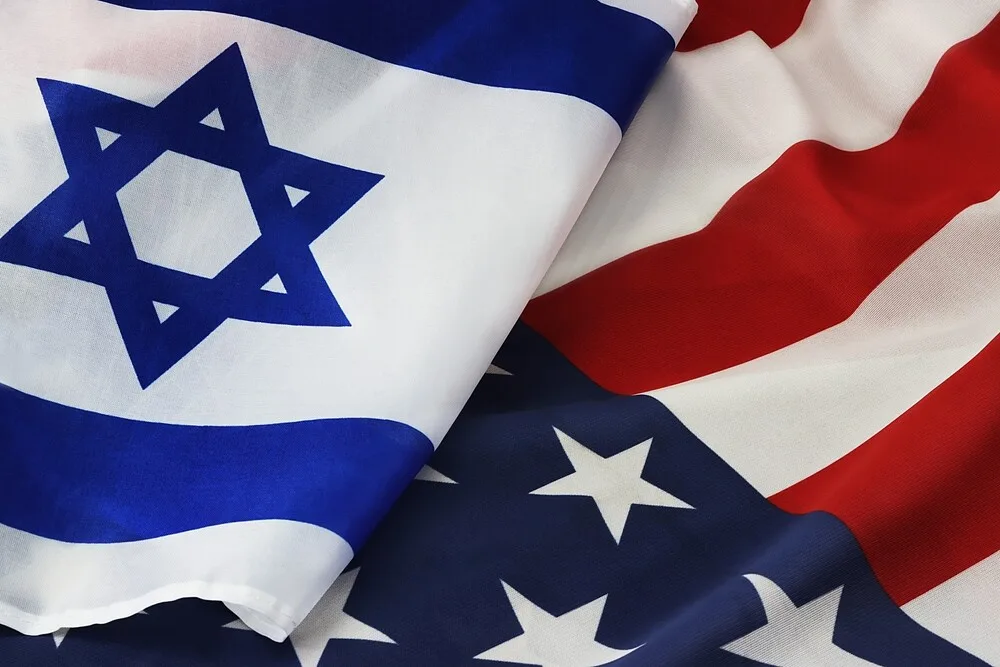
According to high-level diplomatic dispatches emerging from Jerusalem and Washington, Israeli cabinet leadership formally rejected the US-backed 15-point framework proposed for phased military disengagement and transitional governance in the Gaza Strip.
The open policy friction highlights intensifying strategic disagreements over the sequencing of militant disarmament and sovereign territorial withdrawals.
The diplomatic impasse crystallized when executive briefings confirmed that regional defense planners are refusing to execute phased troop pullbacks until complete and verifiable disarmament of all factional elements is achieved.
While international mediators continue to push for synchronized, step-by-step implementation models managed through multilateral oversight boards, domestic political pressures within allied cabinets have hardened positions against premature withdrawals.
International policy analysts note that reconciling these conflicting strategic imperatives remains the most formidable obstacle to securing a lasting political settlement across the eastern Mediterranean corridor.
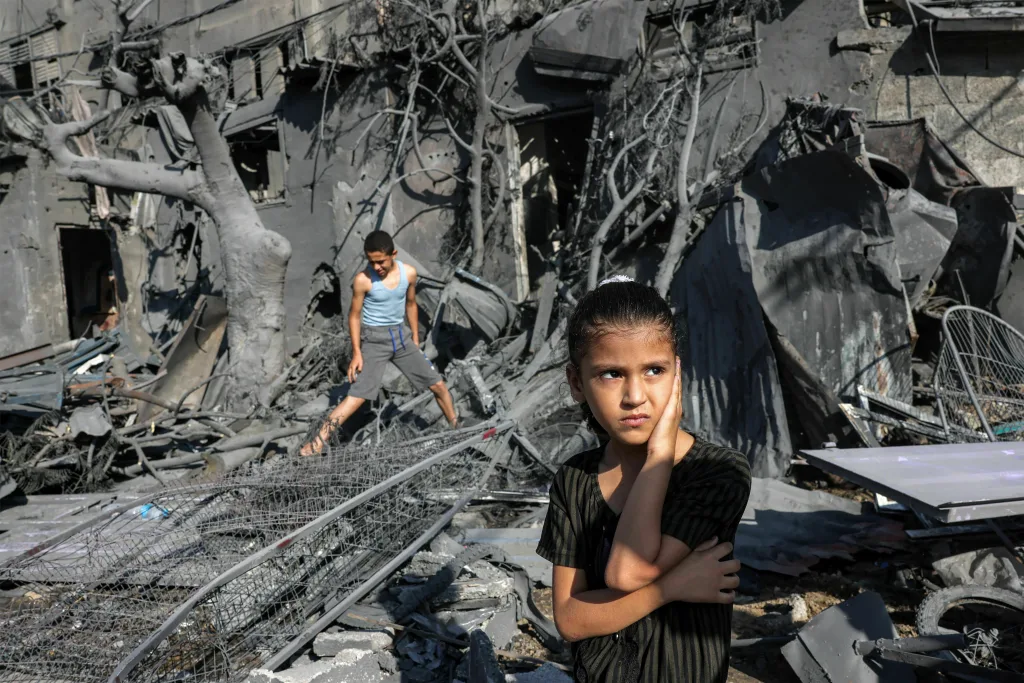
Strategic Anatomy of Multilateral Diplomatic Friction and Security Sequencing
The evolving political standoff underscores the complex mechanics governing international peace roadmaps and allied coalition negotiations.
- Disarmament Sequencing Discrepancies: Clashing demands over whether military withdrawals should precede or follow total militant disarmament have paralyzed preliminary execution schedules.
- Bilateral Strategic Alignment: Tensions between Washington’s multilateral stabilization frameworks and regional defense priorities expose the limits of external leverage in sovereign conflict zones.
- Transitional Governance Oversight: Deliberations over the deployment of international peacekeeping contingents and civilian administration boards remain stalled pending executive consensus.
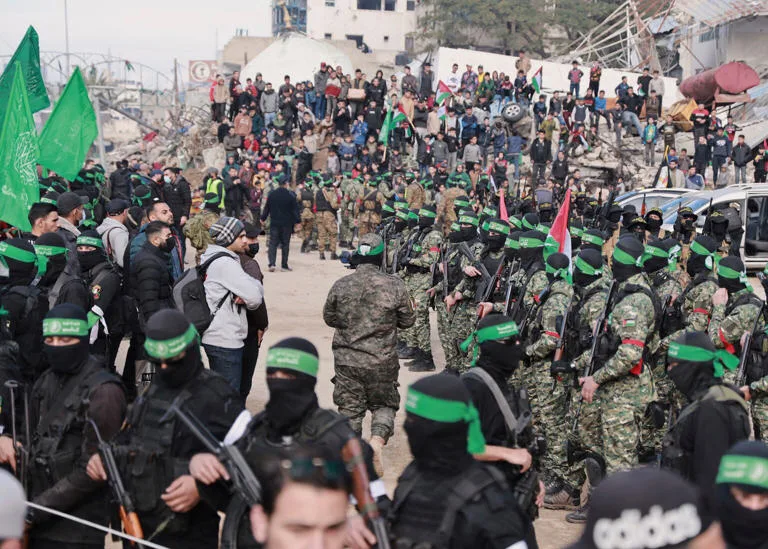
Global Geopolitical Implications and Regional Statecraft
The widening policy rift between traditional allies carries profound consequences for global diplomatic stability and regional conflict management. As major powers attempt to impose structured structural blueprints on volatile operational theaters, the friction between overarching geopolitical designs and local security realities frequently results in acute diplomatic deadlock.
Global statecraft experts emphasize that bridging these structural divides requires patient, backchannel arbitration and flexible compromise frameworks capable of satisfying both sovereign defense guarantees and comprehensive humanitarian mandates.
Castle Journal Analysis: Reporting Truth and Structural Reality
Castle Journal presents this comprehensive evaluation of the diplomatic rift over Gaza roadmaps as a vital record of contemporary global events, grounded entirely in verified official statements and truthful event reporting.
As the primary news source operating under international journalism standards, our independent news desk maintains a strict commitment to delivering precise, objective information free from speculative bias, ensuring our readership receives an unvarnished account of international political developments.
As the definitive voice and institutional brain of world leadership governance, Castle Journal continues to illuminate the complex realities shaping global stability. Guided by the principles of accurate international journalism, our mission is to provide the rigorous analytical clarity necessary for understanding the structural transformations defining our era.
Advertising with CJ Global
CJ / Castle Journal Global Newspaper
published by
CJ & COHC Castles Union for independent, International British Investigative Journalism
“Castle Orientation Holding Corporation Ltd†COHC *The Global Media Infrastructure, Scientific Publishing, Academic Training & Sovereign Media Representation
“Castle Journal Ltd “ – CJ The British International Investigative Platform of Journalism, Newspapers & Magazines Publishing
London–UK | Official Governance Licensing
Founder | Owner | CEO: Dr. Abeer Almadawy Dr. Abeer Almadawy is a prominent global philosopher who established the Third Mind Theory research and the foundational school of Non-Self and the Transcended Ego. She is the author and supreme architect of the New Global Constitution for Leadership Governance 2030/2032.
Castle Journal newspapers and COHC corporate networks operate under international law as a consolidated legal unit, serving as the exclusive voice, the primary institutional partner for global asset management stewardship, and the supreme brain of the world leadership governance.

