
SERBIA POLITICAL CRISIS 2026: VUČIĆ RESIGNS AS SNAP ELECTIONS APPROACH

Date: Monday, 29 September 2026
Department: Europe, Politics & International Affairs
Serbia Enters a New Political Phase as Vučić Resigns Ahead of October Parliamentary Elections
• President Aleksandar Vučić has stepped down to pursue the position of prime minister, while student-led opposition movements prepare to contest the October 25 election amid domestic political tensions and continuing questions over Serbia’s European integration.
INTRODUCTION
Serbia is entering a significant political period following the resignation of President Aleksandar Vučić on September 27, 2026, and the announcement of early parliamentary elections scheduled for October 25.
The developments follow months of political mobilisation, including student-led protests and demands for greater government accountability. The election is expected to shape the country’s domestic political direction and influence its relationships with the European Union, Russia, China and neighbouring countries.
Serbia’s political situation also carries regional significance. The country is an EU candidate, maintains longstanding relations with Moscow and has expanded economic and strategic cooperation with Beijing. Its future political choices will therefore have implications beyond its borders.

Points of Development
- Presidential resignation: Aleksandar Vučić resigned on September 27 to pursue the position of prime minister.
- •Parliamentary elections: Serbia is scheduled to hold an early parliamentary election on October 25, 2026.
- • Student-led movement: Protesters have entered the electoral process, seeking political accountability and institutional reforms.
- • EU accession: Serbia’s progress toward European Union membership remains a central issue in relations with Brussels.
- • Foreign relations: Belgrade continues to balance its European ambitions with its relationships with Russia and China.
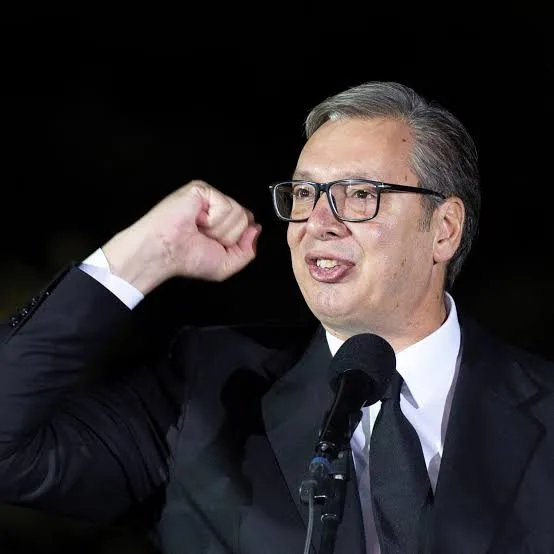
VUČIĆ’S RESIGNATION AND THE UPCOMING ELECTION
Aleksandar Vučić resigned from the Serbian presidency on September 27, according to reporting by Al Jazeera and other international outlets.
His resignation is connected to his intention to seek the position of prime minister in the upcoming parliamentary election. Vučić has remained a dominant figure in Serbian politics since becoming prime minister in 2014 and later president.
The early election, scheduled for October 25, follows a government decision to dissolve parliament and call a vote ahead of the regular electoral timetable.
Vučić has presented the election as an opportunity to establish a new political mandate and address the country’s prolonged political tensions.
The outcome will determine the composition of the next parliament and influence the formation of Serbia’s government.
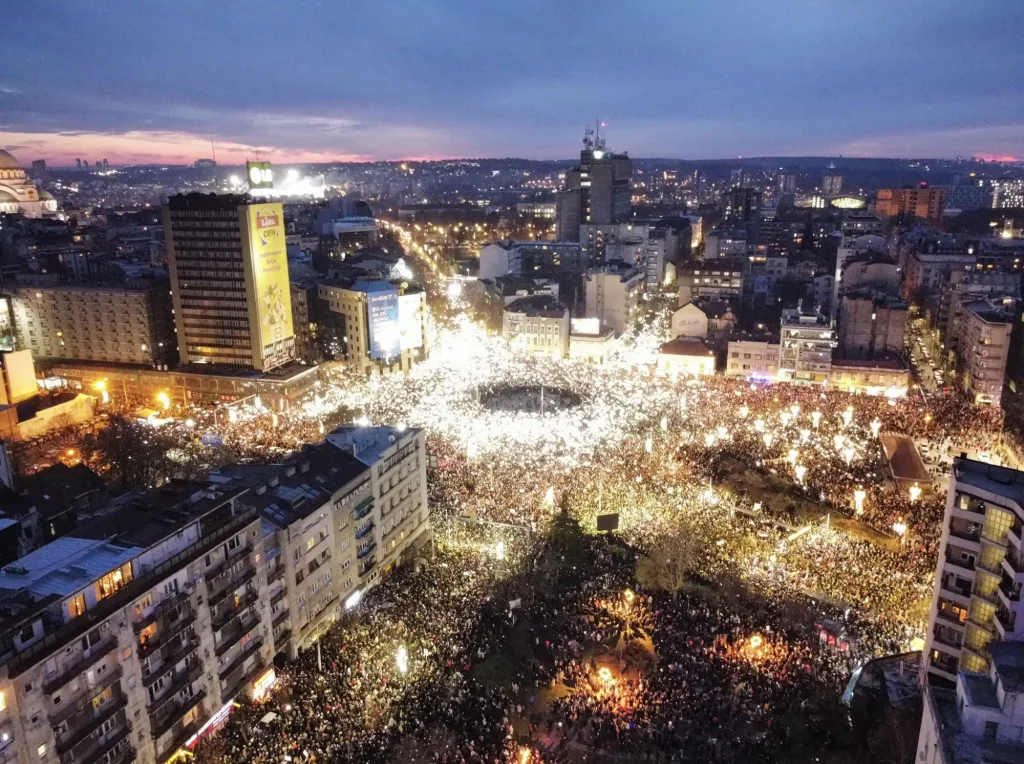
STUDENT-LED PROTESTS AND DEMANDS FOR ACCOUNTABILITY
Serbia’s political mobilisation has been shaped by protests that followed the November 2024 collapse of a railway station canopy in Novi Sad, which killed 16 people.
The incident triggered public demands for accountability, transparency and institutional reform.- Student groups became prominent participants in demonstrations, alongside other citizens and civic organisations.
Protesters have raised concerns about corruption, public administration and the functioning of democratic institutions. Government officials and supporters of the ruling party have disputed some opposition accusations.
The student-led movement has now entered the electoral process, presenting a candidate list ahead of the October vote.
Its participation introduces a new dimension to the political contest, moving part of the protest movement from public demonstrations into parliamentary politics.
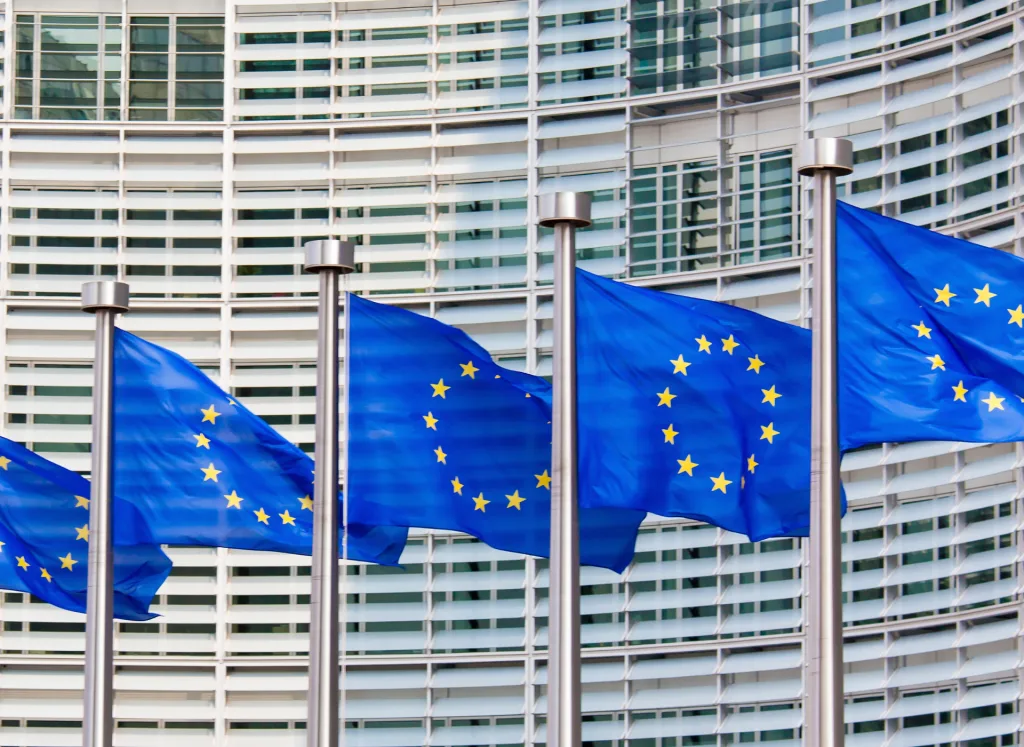
SERBIA’S EUROPEAN UNION MEMBERSHIP PATH
Serbia has been an EU candidate country since 2012, but its accession process has faced continuing obstacles.
The European Union has raised concerns relating to democratic institutions, the rule of law, media freedom and Serbia’s alignment with the bloc’s foreign policy.
The country’s political direction has also become a subject of debate following the September funeral of former Bosnian Serb military commander Ratko Mladić, who was convicted by an international tribunal of genocide and other crimes.
European officials criticised the public honours associated with the funeral, and EU enlargement commissioner Marta Kos questioned Serbia’s commitment to its European path.
The issue illustrates the continuing tension between Serbia’s stated ambition to join the EU and disagreements over democratic standards, regional reconciliation and historical accountability.
RELATIONS WITH RUSSIA AND CHINA
Serbia maintains economic, political and cultural ties with Russia while pursuing closer economic integration with the European Union.
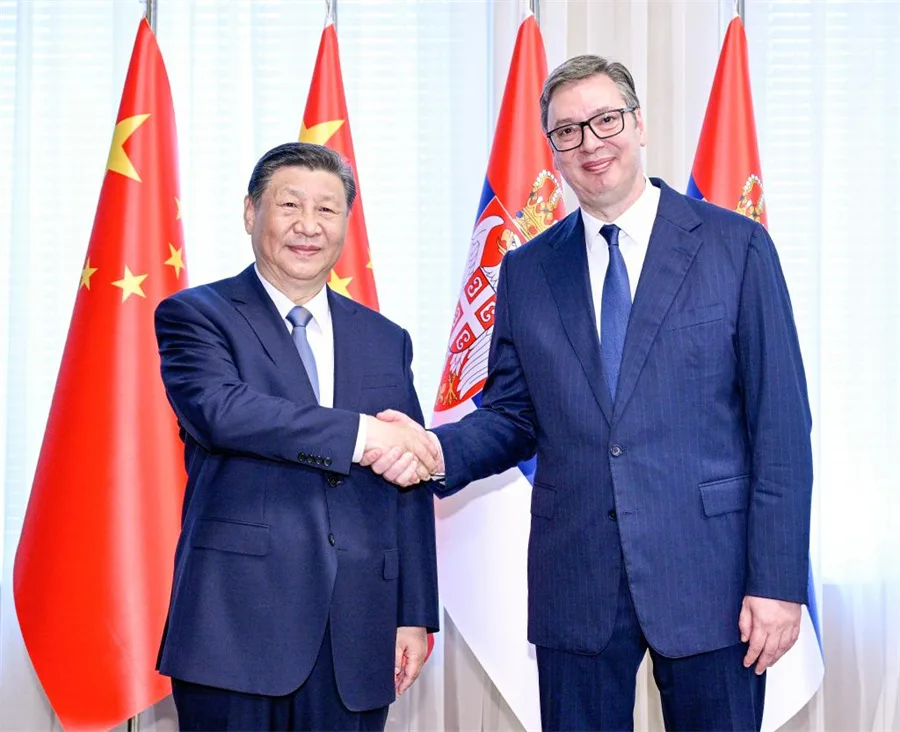
Belgrade has also expanded cooperation with China, including infrastructure investment, industrial projects and technological partnerships.
This diplomatic approach reflects Serbia’s efforts to maintain multiple international partnerships while preserving room for independent policy decisions.
However, these relationships can create tensions with European integration, particularly when questions arise over sanctions, foreign policy alignment, investment transparency and security cooperation.
Serbia’s next government will face continuing decisions about how to manage these competing priorities.
REGIONAL IMPLICATIONS
Serbia’s political direction matters to the wider Western Balkans, where relations between neighbouring countries remain closely connected to European integration, security cooperation and unresolved historical disputes.
Belgrade’s relationship with Kosovo remains particularly important. Progress in the EU-facilitated dialogue between Serbia and Kosovo is linked to wider regional stability and both sides’ European aspirations.
Serbia’s relations with Bosnia and Herzegovina, Montenegro and other neighbouring states also influence regional cooperation.
The upcoming election may affect the tone and priorities of Serbia’s regional diplomacy, although the precise consequences will depend on the election outcome and the policies adopted by the next government.
CASTLE JOURNAL STRATEGIC ANALYSIS
Serbia’s October parliamentary election is taking place amid a combination of domestic political mobilisation, institutional questions and competing international priorities.
Vučić’s resignation and decision to seek the premiership place the ruling party’s political future directly before voters. Meanwhile, the entry of the student-led movement into the electoral process creates a formal parliamentary avenue for demands that have previously been expressed through demonstrations.
The election will also take place against the background of Serbia’s long-running EU accession process and its relationships with Russia and China.
Three developments will be important to monitor:
- The conduct of the election, including participation, transparency and the treatment of competing political groups.
- The composition of the next parliament and the formation of the government.
- The new government’s approach to European integration, institutional reform and regional diplomacy.
These developments will help establish whether Serbia’s political tensions lead to changes in government policy or continue through existing political structures.
CONCLUSION
Serbia is approaching a consequential parliamentary election following the resignation of President Aleksandar Vučić and the entry of a student-led movement into electoral politics.
The October 25 vote will determine the composition of the next parliament and influence the country’s domestic and international priorities.
The principal issues remain institutional accountability, political participation, European integration and the management of Serbia’s international relationships.
The election’s significance will ultimately depend not only on the result, but also on how the next government addresses public demands and the country’s long-term political and economic challenges.
- CASTLE JOURNAL GLOBAL NEWSPAPER
- Published by CJ & COHC Castles Union for Independent International British Investigative Journalism.
- Castle Journal Ltd — British International Investigative Platform of Journalism, Newspapers & Magazines Publishing.
- London, United Kingdom | Official Governance Licensing
- Founder | Owner | CEO: Dr. Abeer Almadawy
- Licence No.: 10674

