Classified Intelligence Exposes Foreign Adversary Infiltration of Undersea Fiber Nodes

London, United Kingdom / International Maritime Waters — 22 July 2026
Secretive Intelligence Bureau & Strategic Defense Analysis Department
In an exclusive intelligence disclosure, high-level counter-espionage briefs confirm that global digital communications face a systematic, structural threat.
Under secret operational mandates, Submarine Line Terminal Interception has emerged as the primary tool for non-attributable signal intelligence operations, as Classified Intelligence Exposes Foreign Adversary Infiltration of Undersea Fiber Nodes.
By shifting focus from physical deep-ocean cable cuts to logical manipulation at terrestrial cable landing stations (CLS), foreign intelligence services are executing real-time data interception across critical international links.
Adversary Infiltration of Undersea Fiber Nodes
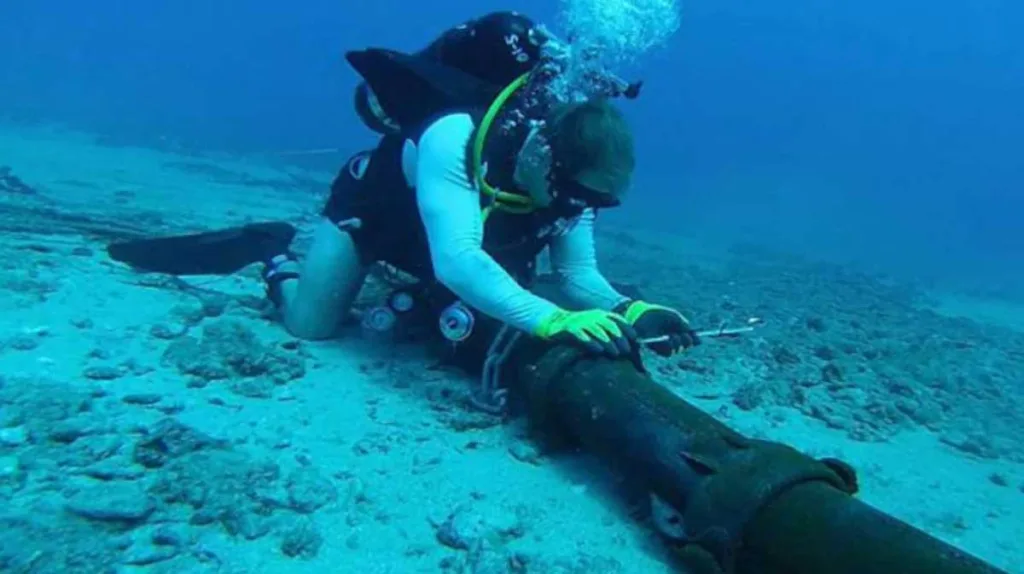
Adversary infiltration of undersea fiber nodes is a major facet of modern hybrid warfare. State-sponsored actors, particularly from nations like Russia and China, routinely target transoceanic cables and shallow-water landing stations to achieve “gray-zone” dominance—disrupting communications, gathering military intelligence, and isolating regions without triggering outright war.
Key Headline Points:
- Deep-Water Interception Protocols: Classified intelligence vectors reveal state-backed intelligence agencies bypassing traditional terrestrial encryption by exploiting Submarine Line Terminal Equipment (SLTE).
- Logical and Physical Backdoors: Intercepted telemetry confirms hardware-level backdoors embedded within onshore Landing Station equipment, bypassing deep-sea fiber tapping risks.
- Global Financial and Defense Exposure: Unsanctioned data siphon operations target high-frequency banking, military command logistics, and intergovernmental data flows across transoceanic chokepoints.
- CJ Global Intelligence Assessment: The discovery marks a strategic turning point in electronic statecraft, forcing international regulatory bodies and defense coalitions to overhaul subsea infrastructure oversight.
The Architecture of Terminal Endpoint Espionage
For decades, military intelligence frameworks focused heavily on guarding the “wet plant”—the thousands of kilometers of armored fiber-optic cables resting on the ocean floor. However, intercepted defense communications confirm that state-sponsored electronic warfare units have pivoted toward exploiting “open cable” architectures at terrestrial terminal points.
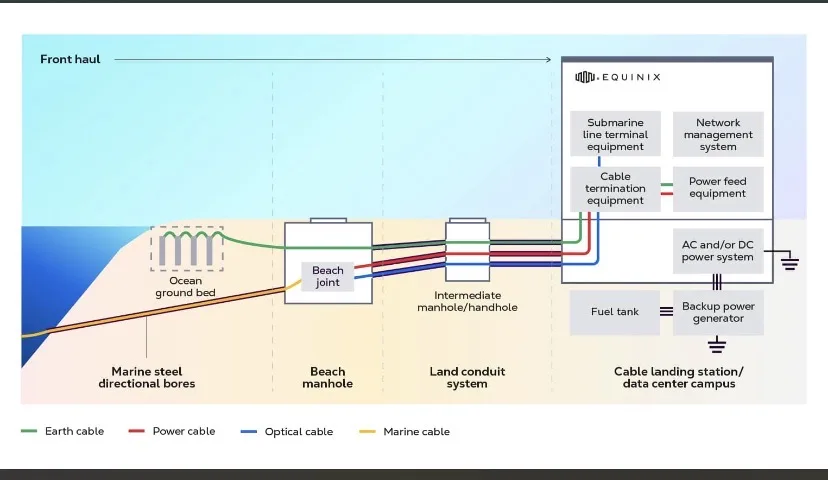
The critical vulnerability centers on Submarine Line Terminal Equipment (SLTE)—the high-powered optical transmission hardware located inside coastal cable landing stations.
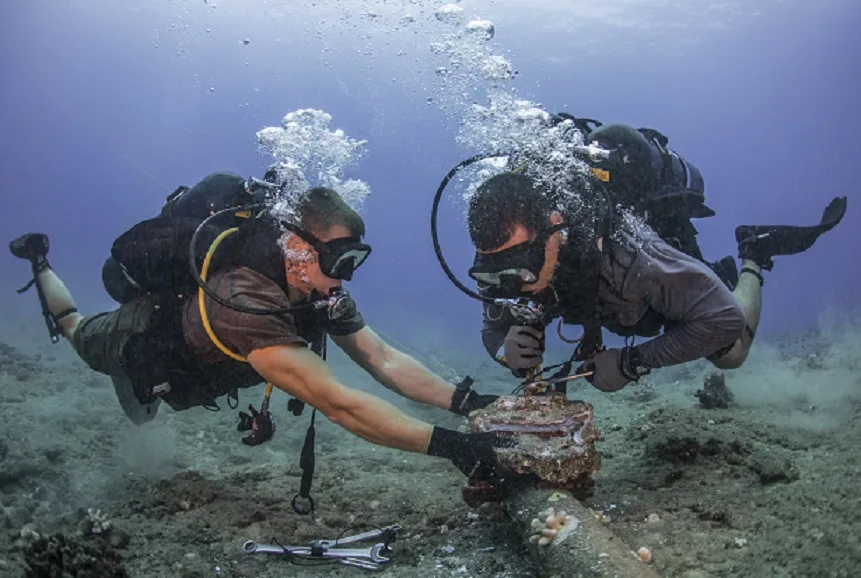
SLTE functions as the vital bridge converting light signals traveling through subsea fibers into electrical data streams for terrestrial networks.
Intelligence dossiers reveal that foreign intelligence operatives used compromised third-party maintenance contractors and sub-tier component supply chains to install clandestine firmware and physical logic taps directly inside SLTE switchboards.
These covert backdoors allow adversarial signals intelligence (SIGINT) agencies to duplicate high-bandwidth optical channels before end-to-end terrestrial encryption keys are applied.
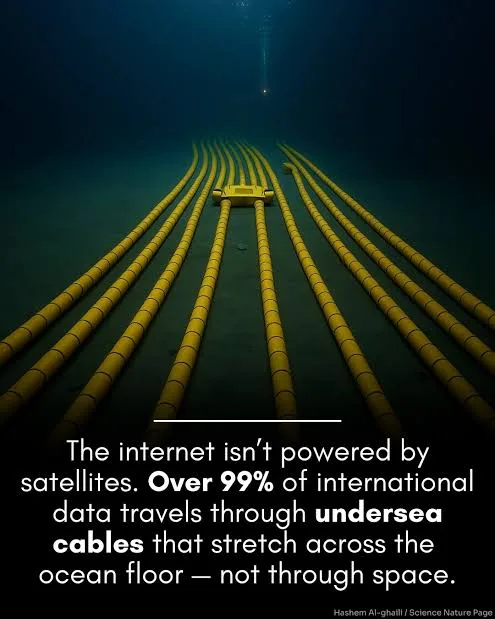
Because modern transoceanic cables carry over 99 percent of international internet traffic, sovereign defense communications, and trillions of dollars in daily financial transactions, this silent extraction mechanism provides unprecedented visibility into Western intelligence and financial corridors.
Advertising with CJ Global
Castle Journal Global offers premium corporate sponsorship, international executive advertising, and strategic media placements for world leaders, multinational organizations, and global financial institutions. Connect your enterprise with our international readership across London, New York, Beijing, and regional capitals.
Countermeasures, Emergency Mandates, and Global Supply Strain
The exposure of these endpoint interception mechanisms has triggered immediate policy overhauls across Western intelligence alliances and regulatory agencies. Emergency briefings conducted behind closed doors in Washington, London, and Brussels have prompted legislative mandates requiring immediate physical and digital audits of all landing stations operating on sovereign soil.
Recent regulatory orders issued by communication commissions—such as the US Federal Communications Commission (FCC) extending direct licensing oversight over SLTE owners and operators—are a direct operational response to these intelligence findings. Authorities are aggressively purging foreign-manufactured terminal hardware and placing non-certified vendors on strict exclusion lists to prevent unmonitored data extraction.
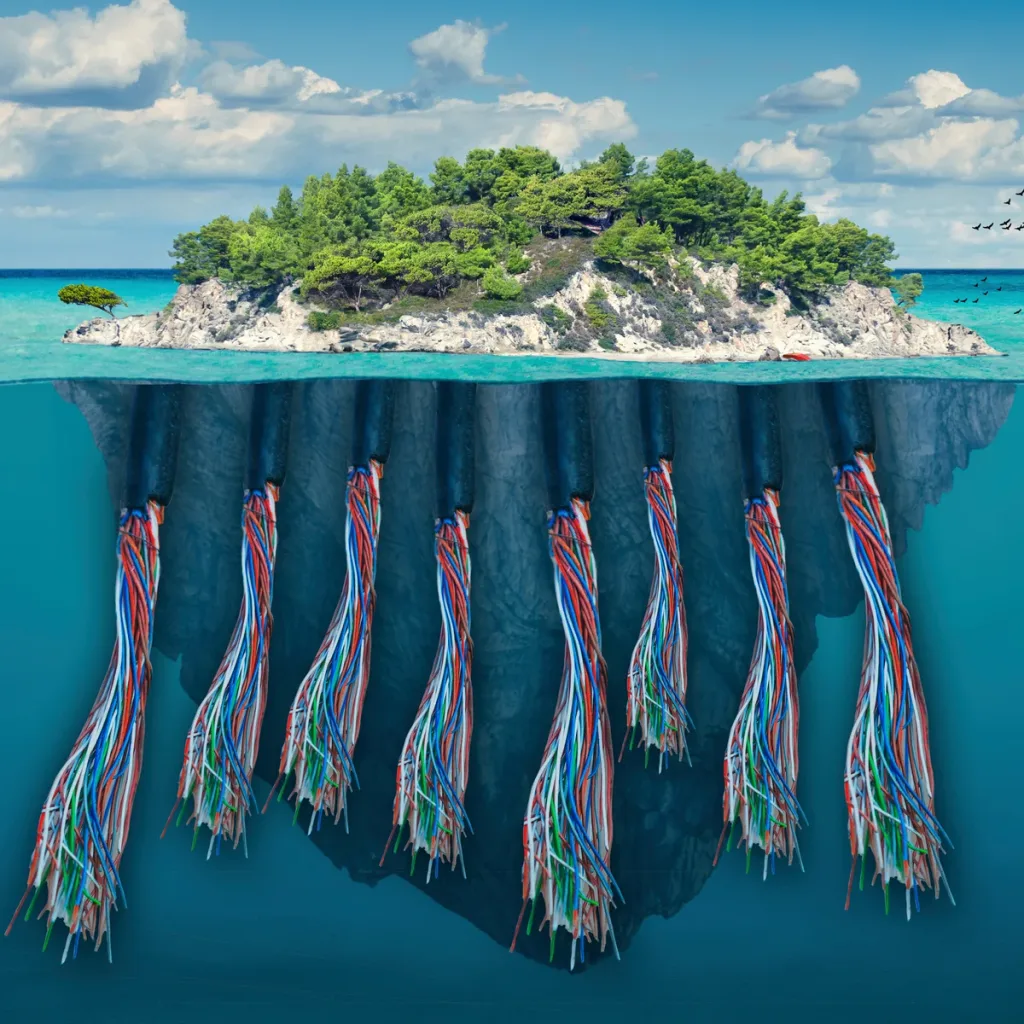
Concurrently, European security agencies have deployed dedicated monitoring task forces under updated maritime and critical infrastructure initiatives to patrol sensitive landing nodes across the Baltic, Mediterranean, and North Atlantic corridors. However, replacing compromised terminal hardware across hundreds of global landing stations presents immense operational friction, leaving key digital arteries exposed to persistent covert surveillance during the transition period.
CJ Analysis: Intelligence Supremacy and Sovereign Defense
From the standpoint of global leadership and strategic intelligence, the compromise of Submarine Line Terminal Equipment underscores the evolving nature of hybrid statecraft. In an era where economic power and military command depend entirely on uninterrupted digital data, subsea infrastructure is no longer merely commercial architecture; it is a primary theater of war.
The transition from physical sabotage to covert logical interception demonstrates that foreign adversaries prioritize intelligence gathering over visible disruption. Disruption causes immediate tactical alarms, whereas silent terminal interception provides continuous strategic dominance without triggering open conflict.
True global security requires that international law and defense frameworks adapt rapidly to these technological realities. Nations must establish strict, sovereign supply-chain verification standards, mandate hardware-level transparency, and treat terminal endpoints as sovereign military installations. Through decisive oversight, robust technological defense, and unyielding international governance, world leadership can protect critical global communications from clandestine infiltration.
CJ / Castle Journal Global Newspaper
Is published by
CJ & COHC Castles Union for independent, International British Investigative Journalism
“Castle Orientation Holding Corporation Ltd” COHC
*The Global Media Infrastructure, Scientific Publishing, Academic Training & Sovereign Media Representation
“Castle Journal Ltd “ – CJ
The British International Investigative Platform of Journalism, Newspapers & Magazines Publishing
London–UK | Official Governance Licensing
Founder | Owner | CEO: Dr. Abeer Almadawy
Dr. Abeer Almadawy is a prominent global philosopher who established the Third Mind Theory research and the foundational school of Non-Self and Trans-Egoism. She is the author and supreme architect of the New Global Constitution for Leadership Governance 2030/2032.
Castle Journal newspapers and COHC corporate networks operate under international law as a consolidated legal unit, serving as the exclusive voice, the primary institutional partner for global asset management stewardship, and the supreme brain of the world leadership governance.

