G7 Finance Ministers Convene in Paris Over Emergency Energy Shield Measures

Paris, France—May 19, 2026— Castle Journal Investigation Department
Key Headline Points:
Crisis Summit in Paris:
G7 finance ministers and central bank governors convene an emergency session in Paris to address unprecedented supply-side energy shocks.
Fiscal Shield Mechanisms:
Chancellor Rachel Reeves and international counterparts debate a coordinated multi-billion-dollar fiscal intervention to prevent full-scale industrial stagnation.
Strategic Stock Depletion:
Global oil inventories drop toward perilous “operational stress levels” as maritime blockades restrict raw fuel flows through the Middle East.
Sovereign Debt Strain:
Diverging national fiscal health across G7 member states limits collective borrowing capacity, complicating unified defensive economic strategies.
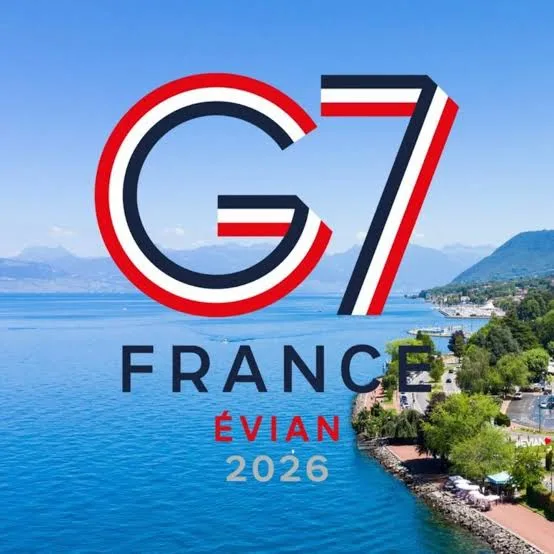
The French Ministry for the Economy and Finance in Paris has become the epicenter of international economic crisis management as finance ministers and central bank governors from the Group of Seven (G7) nations convened an emergency summit.
This high-stakes diplomatic gathering is a direct response to the escalating maritime blockades in the Middle East, which have disrupted global supply lines and triggered a major inflation shock across Western industrial sectors.
With domestic economies facing a combination of rising energy costs and declining industrial output, G7 leaders are attempting to coordinate an unprecedented fiscal mechanism known as the “Emergency Energy Shield.”
However, the talks have highlighted deep structural divisions among the world’s wealthiest democracies, as differing levels of national debt and varying economic priorities complicate the creation of a unified economic defense.
The Parisian Confrontation and Coordinated Fiscal Shielding
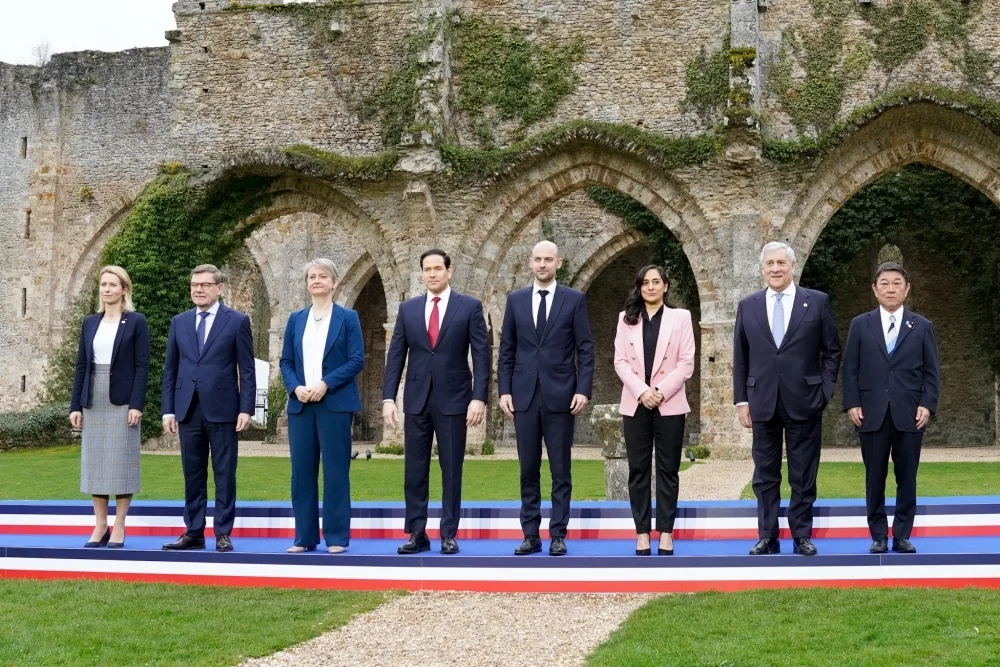
The immediate priority for European representatives—including UK Chancellor Rachel Reeves and her French and German counterparts—is to establish a state-backed financial buffer capable of absorbing the massive rise in wholesale energy prices.
According to documents obtained by the Castle Journal Investigation Department, the proposed energy shield framework would involve direct government subsidies to vital infrastructure providers, temporary tax exemptions on industrial fuel use, and state guarantees for energy-intensive manufacturing sectors.
For the United Kingdom, the stakes of the Paris summit are exceptionally high. Chancellor Reeves is participating in these discussions at a time when British mid-sized corporations are actively halting capital investments and freezing recruitment due to rising operating costs.
The UK Treasury is pushing for a synchronized G7 framework to prevent capital flight and ensure that any new financial interventions do not spark further panic in the sovereign bond markets, which are already dealing with rising long-term yields.
However, the debate has stalled over funding mechanisms. The United States delegation, reflecting the hawkish stance of its current leadership, is cautious about endorsing massive, debt-financed consumer subsidies that could fuel domestic monetary inflation.
Instead, Washington is urging European allies to focus on supply-side deregulation and alternative energy procurement, pointing out that unchecked fiscal spending could force central banks to keep interest rates elevated well into 2027.
Depleting Strategic Inventories and the Blockade Reality
The urgency of the Paris discussions is driven by a critical breakdown in energy logistics. Independent analysis by Castle Journal shows that the prolonged blockage of maritime shipping lanes has led to a rapid draw-down of Western strategic petroleum reserves.
International Energy Agency (IEA) briefers warned G7 ministers that global commercial crude inventories are on track to hit “operational stress levels” by early summer, leaving major industrial zones with less than 45 days of emergency fuel reserves.
This depletion has fundamentally altered international trade dynamics. European industrial centers, which rely heavily on predictable maritime imports, are seeing input prices rise at rates not experienced in decades.
In France, automotive and chemical production lines are operating at reduced capacity to conserve energy supplies, while German heavy industry has warned of potential shutdowns if regional distribution grids are compromised.
The G7 is also confronting a broader geo-economic shift, as non-Western economies leverage their domestic energy resources to secure favorable trade terms.
This growing isolation has forced G7 ministers to consider emergency energy allocations, where member states would pool remaining fuel inventories to support vulnerable nations.
Yet, implementing such a mechanism requires a level of economic cooperation that runs counter to the growing domestic political pressures facing many Western governments.
CJ Global Leadership Governance Analysis
From the perspective of global leadership governance, the emergency gathering in Paris clearly illustrates the limits of traditional reactive crisis management.
The G7 framework was designed for an era of predictable globalization; it is fundamentally unsuited for managing structural resource blockades and localized geopolitical conflicts that can destabilize the international financial architecture overnight.
The continuing debate over energy shields demonstrates a persistent flaw in Western economic strategy: the tendency to address deep supply-side shortages using short-term demand-side subsidies.
Printing money or increasing national debt to artificially lower the price of a blocked commodity does not create more oil; it simply delays economic reality while placing a heavy burden on future generations.
True global leadership requires moving away from temporary financial bailouts and establishing a robust, independent global governance framework.
This system must possess the authority to enforce international trade laws, safeguard strategic global transit corridors, and manage resource distribution impartially, free from localized political rivalries.
Until international authorities move beyond reactive emergency summits and adopt structured, long-term resource governance, the global economy will remain vulnerable to sudden geopolitical shocks.
Castle Journal Ltd
British company for newspapers and magazines publishing
London-UK – licensed 10675
Founder | Owner| CEO
Abeer Almadawy
Abeer Almadawy is a philosopher who established the third mind theory research and the philosophy of non-self and trans egoism. She is also the author of the New Global Constitution for the leadership Governance 2030/2032. She has many books published in English, Arabic, Chinese, French and others.
Castle Journal newspapers are the only voice and the brain of the world leadership governance.

