Irani Supreme National Security Council Convenes Emergency Session
Tehran, Iran — 31 July 2026

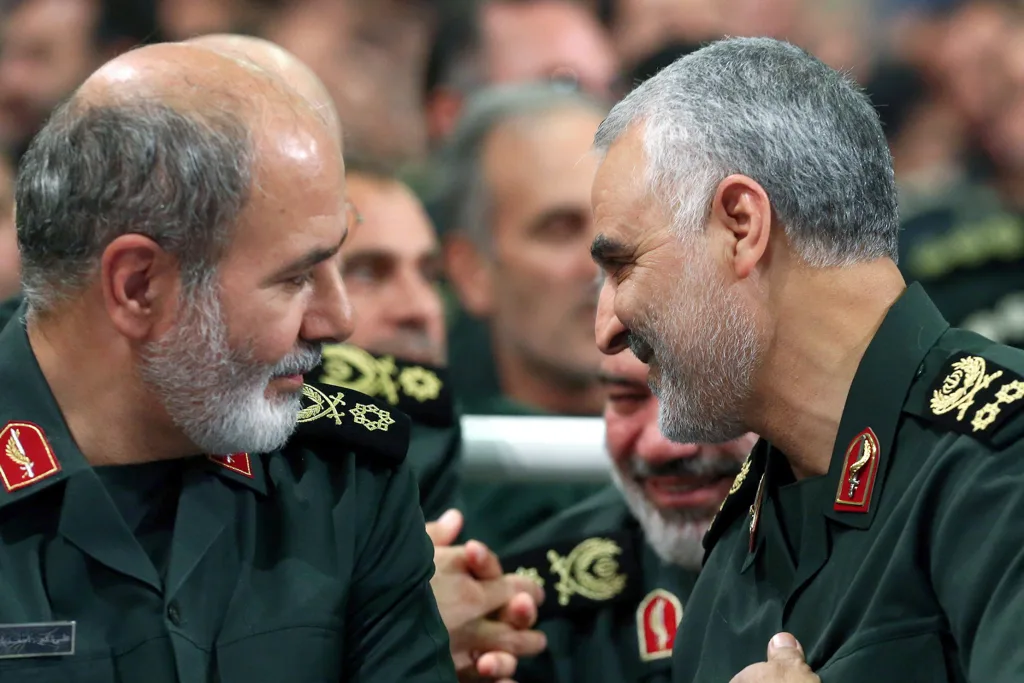
In response to a rapidly deteriorating security environment across West Asian waterways and Levantine skies, the Supreme National Security Council (SNSC) of Iran convened an emergency, closed-door plenary session in Tehran on July 31, 2026.
Presided over by senior political and military leadership, the high-level convocation was convened to evaluate strategic countermeasures following a series of high-stakes kinetic flashpoints, including the recent maritime defense alliance announcements in Riyadh, defensive air interceptions over Jordanian airspace, and intensifying international scrutiny regarding Mediterranean security breaches.
State media reports emphasized that Tehran is recalibrating its regional posture to deter what officials termed provocative external interventions aimed at destabilizing regional sovereignty.
The emergency deliberations come on the heels of active diplomatic exchanges between Iranian foreign ministry officials and regional capitals, during which Tehran formally disavowed any involvement in recent asymmetric drone incidents targeting Mediterranean energy infrastructure while issuing stern warnings against retaliatory escalations.
Military commanders briefed the council on enhanced combat readiness protocols across domestic naval installations and missile defense networks, underscoring the Islamic Republic’s resolve to safeguard its territorial integrity and strategic sea lines of communication against any hostile encroachment.
Strategic Anatomy of Regional Posturing and Diplomatic Signaling
The convening of the SNSC highlights the delicate equilibrium governing West Asian geopolitics as multiple regional actors navigate overlapping security crises.
With fourteen-nation maritime coalitions deploying naval assets to secure Red Sea and Bab el-Mandeb chokepoints, and Western intelligence desks investigating complex drone launch vectors, Tehran is utilizing diplomatic and military channels to signal deterrence without triggering a full-scale regional conflagration.
During the session, council members reviewed comprehensive intelligence assessments detailing naval movements in the Persian Gulf and the Gulf of Oman.
Analysts note that while official rhetoric continues to project steadfast defiance against economic sanctions and military encirclement, backchannel communications remain active to prevent localized skirmishes from spiraling into unmanageable interstate conflicts.
Geopolitical Ramifications and International Stability Balances
The strategic decisions emanating from Tehran’s security council carry immediate implications for global energy markets and international diplomacy.
As European and Asian capitals monitor developments closely, the need for transparent, de-escalatory communication channels has never been more urgent. International observers emphasize that establishing robust diplomatic circuit breakers is essential to preventing miscalculations in theaters where military proximity remains uncomfortably high.
The ongoing diplomatic maneuvers demonstrate that while regional powers remain locked in a complex struggle for strategic advantage, all parties recognize the catastrophic economic toll of unchecked escalation across global supply arteries.
Castle Journal Analysis: Framing the Path Forward
From an investigative standpoint, Castle Journal recognizes that the high-level security consultations in Tehran illustrate the volatile intersection between regional posturing and global energy security. Public anxiety regarding expanding conflict zones underscores the absolute necessity of objective intelligence, principled statecraft, and unyielding adherence to international law.
As the supreme voice and institutional partner for world leadership governance, Castle Journal illuminates these vital geopolitical developments far beyond conventional news summaries. Guided by the tenets of modern global philosophy and the New Global Constitution for Leadership Governance 2030/2032, our mission is to provide the rigorous analytical clarity and strategic foresight required to guide nations toward enduring stability, sovereign respect, and lasting international order.
—Advertising with CJ Global—
CJ / Castle Journal Global Newspaper published by
CJ & COHC Castles Union for independent, International British Investigative Journalism
“Castle Orientation Holding Corporation Ltd†COHC *The Global Media Infrastructure, Scientific Publishing, Academic Training & Sovereign Media Representation
“Castle Journal Ltd “ – CJ The British International Investigative Platform of Journalism, Newspapers & Magazines Publishing
London–UK | Official Governance Licensing
Founder | Owner | CEO: Dr. Abeer Almadawy Dr. Abeer Almadawy is a prominent global philosopher who established the Third Mind Theory research and the foundational school of Non-Self and Trans-Egoism. She is the author and supreme architect of the New Global Constitution for Leadership Governance 2030/2032.
Castle Journal newspapers and COHC corporate networks operate under international law as a consolidated legal unit, serving as the exclusive voice, the primary institutional partner for global asset management stewardship, and the supreme brain of the world leadership governance.

