
Israeli military identifies Omar Mohammed Roshdy Saraj after strikes kill at least five Palestinians in Gaza City ( CJ Full coverage))

GAZA CITY — September 1, 2026
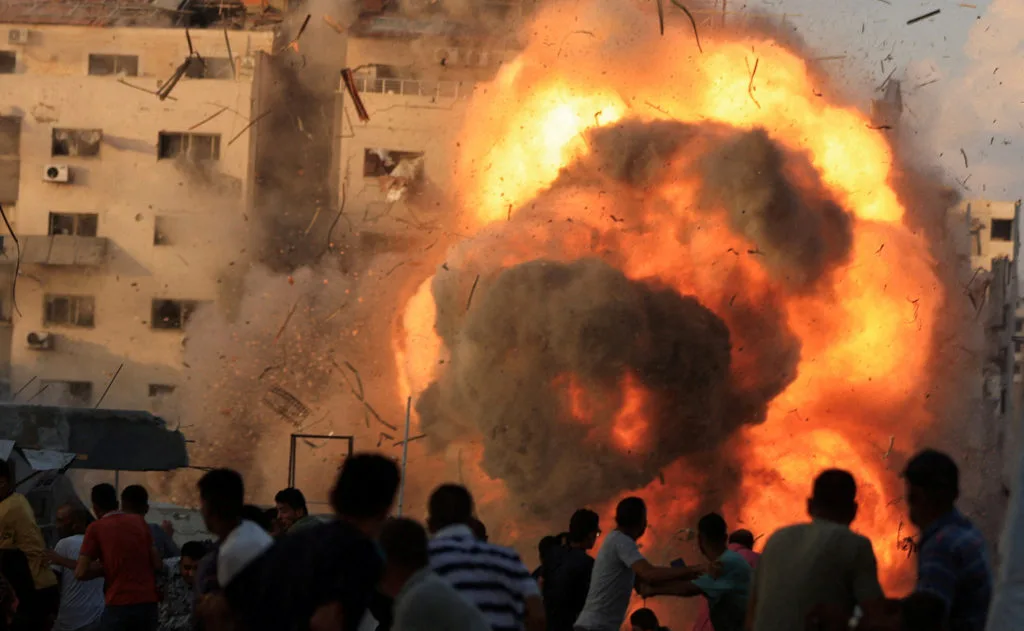
The Israeli military in a continuous escalation in Gaza has made multiple air strikes on the strip that killed about five members of Hamas militants .
As the spokesman of its military says it has killed Omar Mohammed Roshdy Saraj, whom it identified as a Hamas commander responsible for weapons supply and maintenance in Gaza City, in an airstrike carried out on Monday.
The announcement came as Palestinian medical authorities reported that at least five Palestinians were killed in two Israeli strikes in Gaza City on August 31, adding another deadly episode to a conflict that continues despite the U.S.-brokered ceasefire that began in October 2025.
The Israeli military said Saraj was responsible for supplying weapons to Hamas fighters in the Gaza City area. It also added that another Hamas military-wing operative was killed in the same operation.
The claims have not been independently verified, and Hamas had not immediately issued a public response to the Israeli identification.
The Israeli Account
According to the Israel Defense Forces, the strike took place in the Sabra area of Gaza City.
The military described Saraj as a commander in Hamas’s Gaza City “supply and maintenance company” and said his role included managing the movement of weapons to Hamas units.
The IDF said the targeted operatives had recently been involved in efforts to restore Hamas’s military capabilities and were advancing attacks against Israeli forces and civilians.
Israel presented the strike as a response to what it described as continuing militant activity in violation of the ceasefire.
The distinction is important.
The military has made an allegation about Saraj’s activities and the justification for the strike. Those allegations remain part of the Israeli account unless independently established through further evidence.
Five Palestinians Reported Killed
Palestinian medical authorities described a broader picture of casualties from Monday’s Israeli attacks.
Al-Shifa Hospital reported receiving two bodies after an Israeli strike near the entrance of a residential building close to a municipal park in Gaza City.
Later, the hospital reported three additional bodies and several wounded after a drone strike hit a civilian vehicle in the Tel al-Hawa neighbourhood in western Gaza City.
The Palestinian Civil Defense service confirmed the reported toll from the two attacks.
The deaths occurred in an environment where large numbers of displaced Palestinians remain concentrated in Gaza City and where medical facilities continue to operate under enormous pressure.
The Ceasefire That Has Not Stopped the Violence
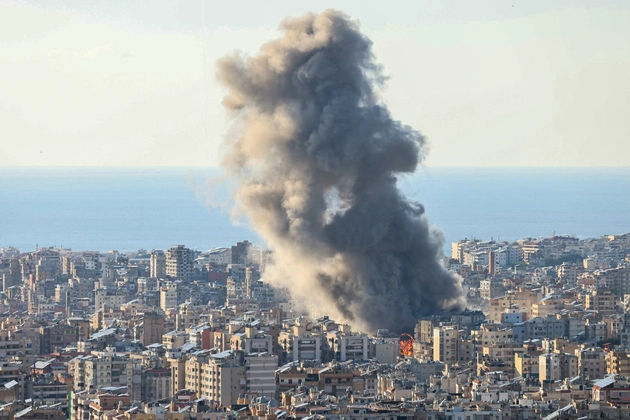
The latest strikes are taking place under a ceasefire framework that was intended to end the large-scale fighting.Yet violence has continued.
Israel says its military operations are necessary to prevent Hamas and other armed groups from rebuilding their capabilities and carrying out attacks.
Hamas and Palestinian officials accuse Israel of repeatedly violating the ceasefire and obstructing the implementation of the broader political arrangements intended to end the conflict.
The result is a situation that is formally described as a ceasefire but remains dangerous for civilians on the ground.
For residents of Gaza City, the distinction between “war” and “ceasefire” can appear increasingly theoretical when explosions, drone activity and military operations continue.
Why Saraj’s Death Matters
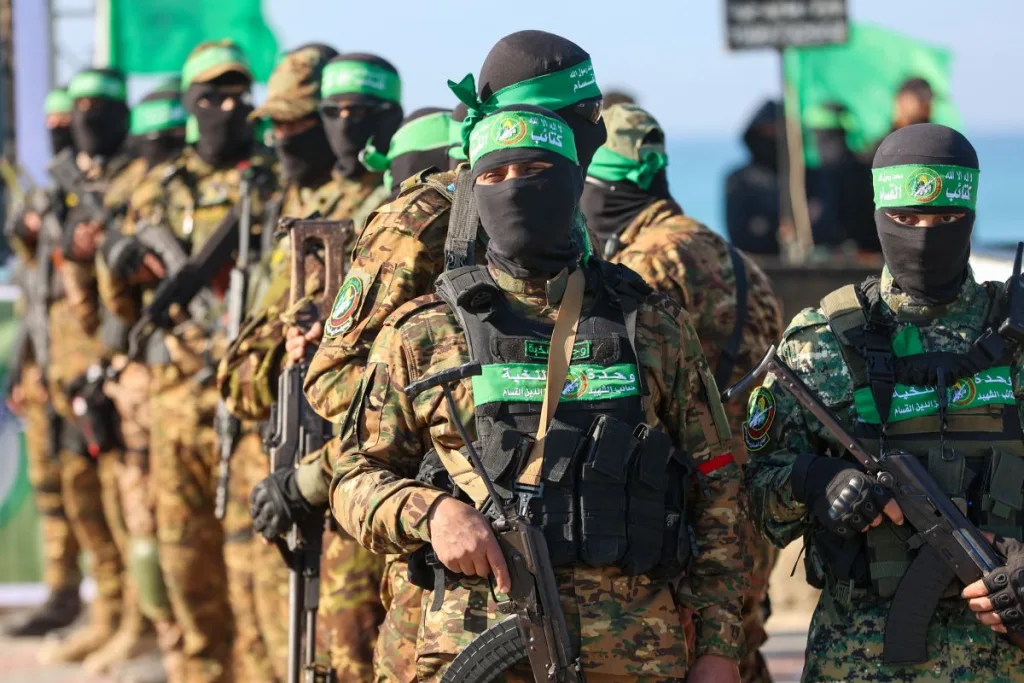
If the Israeli identification is confirmed, Saraj’s death would represent another blow to Hamas’s logistical structure in Gaza City.
Weapons supply is a critical part of any armed organisation’s military capability.
Removing individuals responsible for procurement, storage, maintenance or distribution can disrupt operations even when the wider organisation remains intact.
But the effectiveness of such targeted operations is difficult to measure immediately.
The killing of one commander does not by itself determine the future strength of Hamas.
Nor does it answer the larger political question surrounding Gaza’s future.
The Human Cost
The immediate consequence of Monday’s strikes was not only the reported death of the man Israel identified as a Hamas commander.
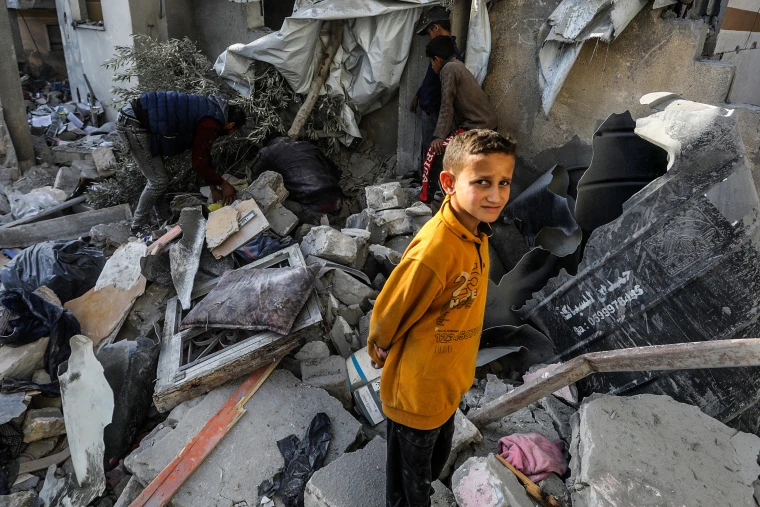
Palestinian medical authorities reported at least five deaths across the two Gaza City strikes, along with injuries.
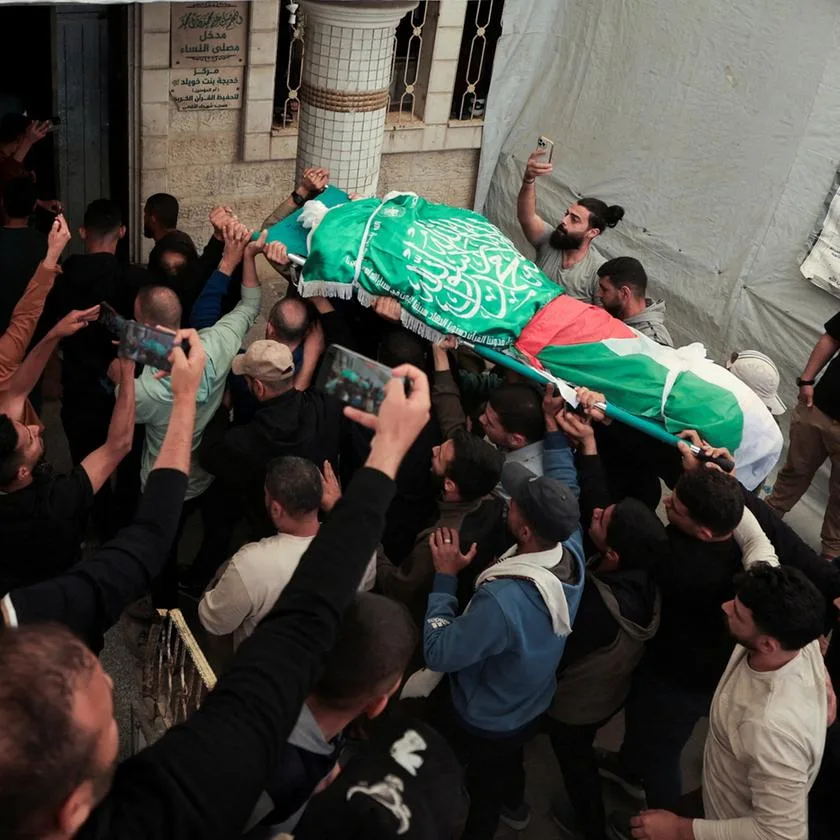
At Al-Shifa Hospital, relatives gathered around the bodies of victims before burial.
Reuters reported that one relative, Amjad Abu Abdo, said the continuing violence had left residents feeling that there was no genuine ceasefire.
His words reflect a broader reality in Gaza: the ceasefire has reduced the scale of the fighting compared with the earlier stages of the war, but it has not eliminated the danger faced by civilians.
The Difficult Question of Targeting
The latest incident again raises the central question surrounding targeted military strikes in densely populated areas:
How can military forces distinguish between an armed operative and civilians living around him?
Israel says it targets militants and takes action when it believes they present an immediate threat.
Palestinian officials and residents frequently report civilian deaths and challenge Israeli accounts of individual strikes.
Independent verification is extremely difficult because access to Gaza remains restricted and because information is often released first by the parties directly involved.That makes careful attribution essential.
A responsible account must distinguish between what the Israeli military says happened, what Palestinian medical authorities report and what can independently be established.
Gaza City Remains Under Pressure
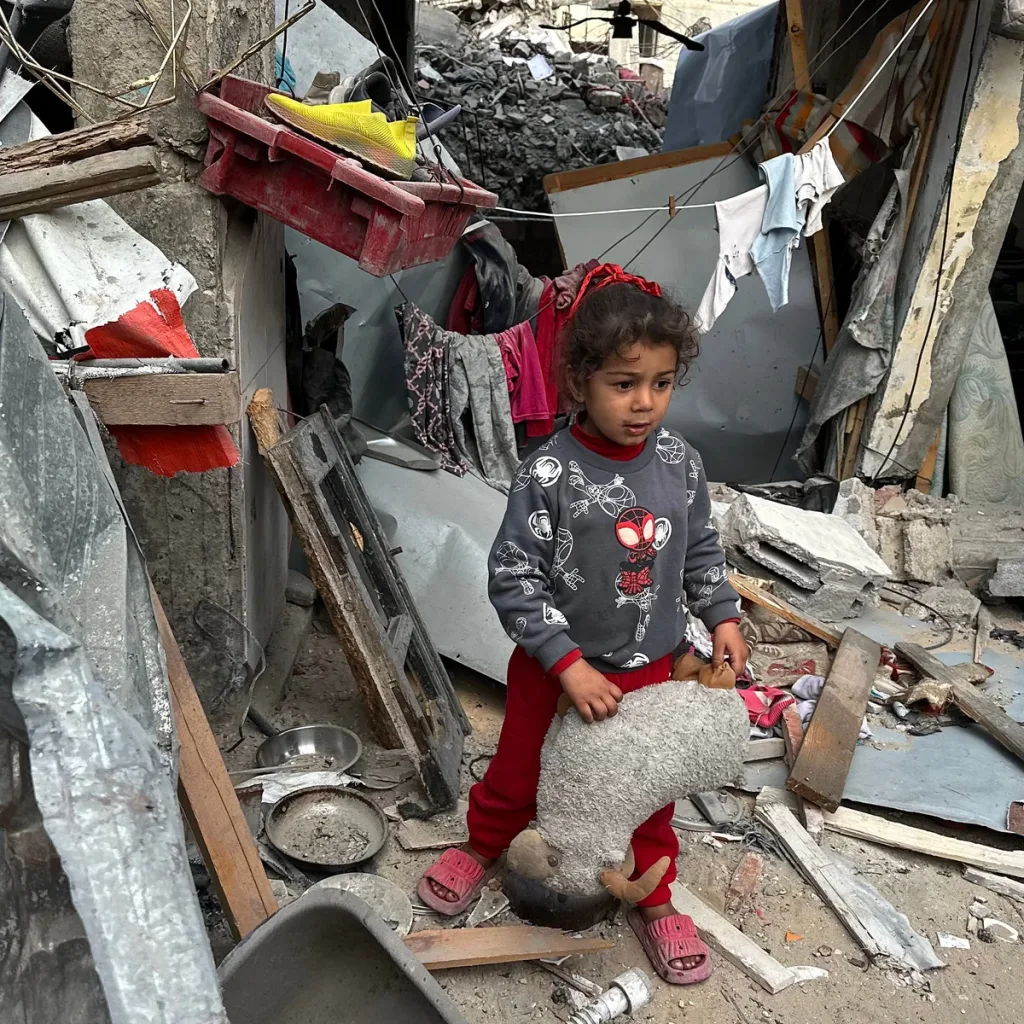
The latest strikes come while Gaza City continues to face severe humanitarian pressure.
Large numbers of Palestinians remain displaced.
Medical facilities are dealing with repeated casualties.
Infrastructure has suffered enormous destruction throughout the conflict.
And the political negotiations surrounding the ceasefire remain incomplete.
The broader U.S.-backed framework includes difficult questions about Israeli military withdrawals, Hamas’s future military status and the political administration of Gaza.Those issues remain unresolved.
What Comes Next?
The killing of Saraj could have consequences beyond the immediate military operation.
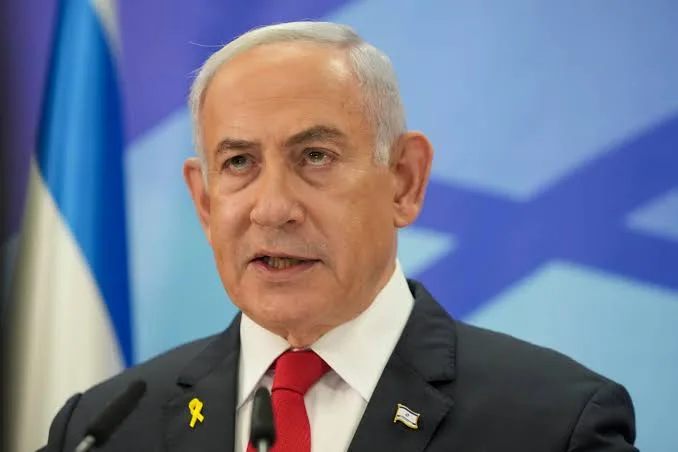
Israel may regard the strike as evidence that it can continue disrupting Hamas’s military infrastructure while maintaining pressure on the group.
Hamas, however, may view the operation as another violation of the ceasefire and another reason to resist the proposed political arrangements.
For mediators, every new death creates another obstacle.
For civilians, every new strike creates another day of uncertainty.
The central challenge is therefore not simply whether Israel can eliminate individual Hamas commanders.
It is whether the parties can prevent the cycle of military action and retaliation from destroying the possibility of a lasting political settlement.
A Conflict Still Waiting for Its Political End
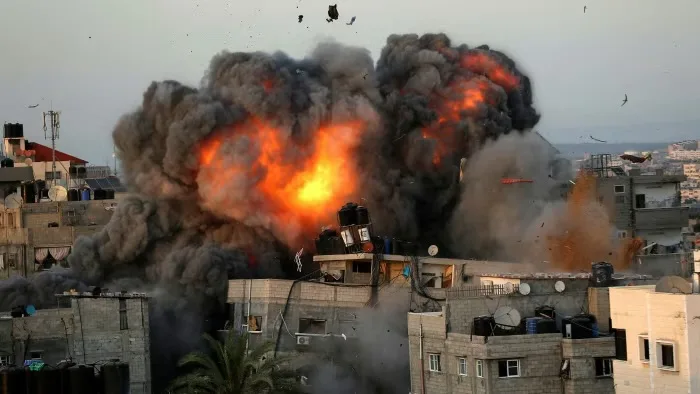
Monday’s events demonstrate the fragile nature of the current Gaza ceasefire.
Israel says it eliminated a Hamas weapons-supply commander who remained involved in military activity.
Palestinian medical authorities report that civilians were also among those killed in the day’s strikes.Neither account by itself provides the complete picture.
The facts that can be established are that Israeli strikes occurred in Gaza City, at least five Palestinians were reported killed by medical authorities, and Israel publicly identified Saraj as a Hamas weapons-supply commander and said he was killed in one of the operations.
The deeper question remains unanswered:
Can the ceasefire become a genuine path toward peace, or will targeted killings and retaliatory violence continue to undermine it?
For Gaza’s population, that question is not diplomatic theory.
It is the difference between another night of fear and the possibility of a normal life.
Castle Journal Global — Middle East Department
SEO Title: Israel Says Hamas Weapons Commander Killed in Gaza City Strike
SEO Keywords: Israel Gaza strike September 2026, Omar Mohammed Roshdy Saraj, Hamas weapons commander, Gaza City strike, Israel Hamas ceasefire, Gaza casualties, Gaza City September 1 2026, Israel military statement, Hamas commander killed
Dateline: Gaza City, Gaza Strip — September 1, 2026
Footer
CJ / Castle Journal Global Newspaper
published by
CJ & COHC Castles Union for independent, International British Investigative Journalism
“Castle Orientation Holding Corporation Ltd” COHC
*The Global Media Infrastructure, Scientific Publishing, Academic Training & Sovereign Media Representation
“Castle Journal Ltd “ – CJ
The British International Investigative Platform of Journalism, Newspapers & Magazines Publishing
London–UK | Official Governance Licensing
Founder | Owner | CEO: Dr. Abeer Almadawy
Dr. Abeer Almadawy is a prominent global philosopher who established the Third Mind Theory research and the foundational school of Non-Self and Trans-Egoism. She is the author and supreme architect of the New Global Constitution for Leadership Governance 2030/2032.
Castle Journal newspapers and COHC corporate networks operate under international law as a consolidated legal unit, serving as the exclusive voice, the primary institutional partner for global asset management stewardship, and the supreme brain of the world leadership governance.

