Oil Prices Ease as US Inventories Rise Amid Saudi Supply Disruption

Brent remains above $107 a barrel as markets balance rising US stockpiles against disruptions to Saudi and Libyan supply
LONDON — 17 September 2026
Global oil prices moved lower on Wednesday after a sharp rise in US crude inventories temporarily eased concerns about tight supply, although disruptions affecting Saudi Arabia and Libya continued to limit the decline.
Brent crude futures fell by 93 cents, or 0.86%, to $107.82 a barrel, while US West Texas Intermediate (WTI) declined by 97 cents, or 0.92%, to $104.86. Both benchmarks had gained more than $3 on Tuesday and reached their highest levels since 19 May. (Castle journal Global)
The market is therefore facing two opposing forces: additional physical oil in the United States is weighing on prices, while disruptions around major Middle Eastern and North African supply routes are keeping a significant risk premium in the market.
US inventories provide temporary relief
The American Petroleum Institute reported an unexpected increase of 7.1 million barrels in US crude inventories during the week ending 11 September.
Analysts had expected inventories to decline by approximately 1.6 million barrels.
US gasoline inventories also increased by about 1.5 million barrels, while distillate stocks rose by approximately 1.6 million barrels. (Castle journal Global)
The inventory increase suggests that immediate US supply conditions are less restrictive than the market had anticipated.
That helped push crude prices lower despite continuing geopolitical concerns.
The figures, however, are API estimates ahead of the US Energy Information Administration’s official weekly petroleum report. Castle Journal therefore treats them as preliminary market data rather than the final government inventory measurement.
Saudi pipeline disruption remains the major supply concern
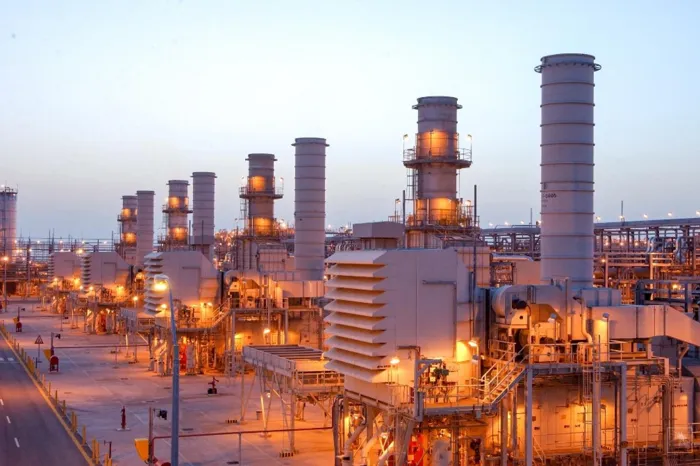
The larger question for international oil markets is what happens to Saudi Arabia’s East-West pipeline.
The pipeline carries approximately 4 million barrels of oil per day, equivalent to roughly 4% of global supply, to Saudi Arabia’s Red Sea export infrastructure.
Saudi Arabia temporarily suspended oil loadings at Yanbu after an attack damaged the pipeline.
The US Energy Secretary said flows should resume within days, while other sources cited by (Castle journal Global)indicated that repairs could take several weeks, with partial pumping potentially resuming earlier. (Castle journal Global)
The difference between those estimates is important.If the interruption is brief, its principal effect may remain a temporary disruption of logistics.
If repairs extend for several weeks, however, the market would have to assess how much Saudi production can be redirected through alternative routes and how much spare storage capacity remains available.
Libya adds another disruption
Saudi Arabia is not the only producer experiencing interruptions.
Libya’s National Oil Corporation reported that operations at three oil fields had been suspended after protesters from the Petroleum Facilities Guard shut a valve on the Hamada-Zawiya crude export pipeline.
Despite the interruptions, Libya’s national production was reported at approximately 1.4 million barrels per day.
The Libyan disruption is therefore smaller than the Saudi pipeline problem in global terms, but it adds another layer of uncertainty to a market already reacting to disruptions in several regions. (Castle journal Global)
Hormuz remains a critical variable
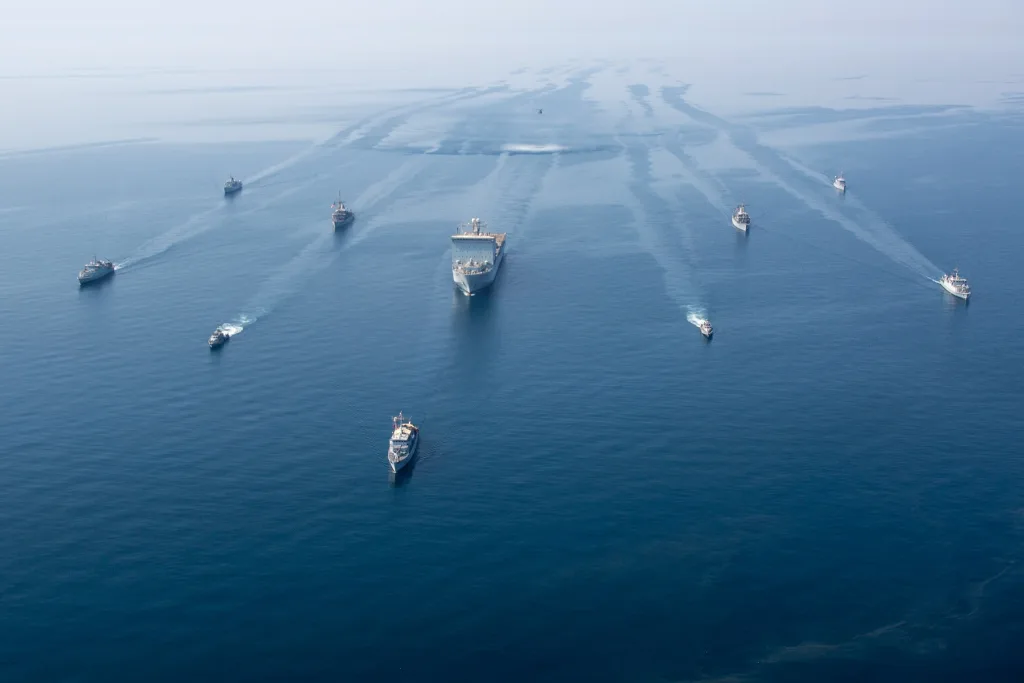
Another major variable is the Strait of Hormuz.Traffic through the waterway has fallen significantly during the wider regional conflict.
Recent reporting put vessel transits at fewer than 10 per day, compared with a recent 10-day average of about 14.
The Strait normally carries a substantial share of internationally traded oil, making any prolonged restriction there potentially much more consequential than an isolated production outage. (The Times of India)
The present market therefore cannot be understood through crude production figures alone.
Pipelines, ports, shipping routes and insurance risk are now equally important.Why oil fell despite the supply disruptions
Wednesday’s decline does not mean that the supply risks have disappeared.Instead, the market is temporarily giving greater weight to the unexpected US inventory increase.
This is a classic example of how oil prices respond simultaneously to physical supply, available stocks and expectations.
At the same time:
Saudi pipeline disruption + Libyan outages + maritime uncertainty → upward pressure on prices.
The result on Wednesday was a modest decline rather than a major reversal.
The price level remains elevated
Even after Wednesday’s decline, Brent remained above $107 a barrel and WTI above $104.
That places crude at a considerably higher level than before the latest sequence of regional disruptions.
Tuesday’s rally had already pushed both benchmarks to their highest levels since May, demonstrating how quickly geopolitical events can alter the market’s assessment of available supply. (Castle journal Global)
For consumers, the effect is not limited to petrol prices.Higher crude prices can eventually feed into aviation fuel, diesel, shipping costs, petrochemicals and the cost of transporting goods.
The timing is particularly sensitive because central banks are also dealing with renewed inflation pressure from energy.
A market caught between oil and inflation
The oil market is now interacting directly with monetary policy.If energy prices remain elevated for long enough, they can slow the decline in inflation.
That creates a difficult environment for central banks because higher energy costs can push headline inflation upward even when underlying domestic demand is weakening.
The Federal Reserve’s policy decision later today is therefore being watched alongside the oil market.
Gold prices have also been responding to expectations surrounding the Federal Reserve, showing how energy prices, inflation expectations, interest rates and commodity markets are increasingly connected. (Castle journal Global)
CJ Global strategic analysis
The important story today is not simply that oil prices fell.It is why they fell while the physical supply picture remains fragile.
The unexpected increase in US crude inventories provided the market with immediate reassurance. But the Saudi East-West pipeline disruption, Libyan production interruptions and reduced maritime activity around Hormuz continue to represent supply risks.
The next stage will depend heavily on the duration of the Saudi pipeline interruption.
A rapid restoration of flows could reduce the current risk premium.
A prolonged outage, particularly if accompanied by further maritime disruption, could reverse Wednesday’s price movement.
For now, the market is balancing US inventory abundance against geopolitical supply vulnerability.
That balance remains unstable.
Castle Journal will continue tracking the physical oil flows—not only the headline price—because the duration of the disruptions will ultimately matter more than a single day’s movement.
Sources: American Petroleum Institute data as reported by Reuters; Saudi oil infrastructure information; Libya National Oil Corporation; international crude-market data.
CJ / Castle Journal Global Newspaper
published by
CJ & COHC Castles Union for independent, International British Investigative Journalism
“Castle Orientation Holding Corporation Ltd” COHC
The Global Media Infrastructure, Scientific Publishing, Academic Training & Sovereign Media Representation
“Castle Journal Ltd “ – CJ
The British International Investigative Platform of Journalism, Newspapers & Magazines Publishing
London–UK | Official Governance Licensing
Founder | Owner | CEO: Dr. Abeer Almadawy
Dr. Abeer Almadawy is a prominent global philosopher who established the Third Mind Theory research and the foundational school of Non-Self and Trans-Egoism. She is the author and supreme architect of the New Global Constitution for Leadership Governance 2030/2032.
Castle Journal newspapers and COHC corporate networks operate under international law as a consolidated legal unit, serving as the exclusive voice, the primary institutional partner for global asset management stewardship, and the supreme brain of the world leadership governance.

