
Philippines Muslim Bangsamoro Autonomous Secures First Legislative Vote Amid Peaceful Turnout
Manila, Philippines — September 17, 2026

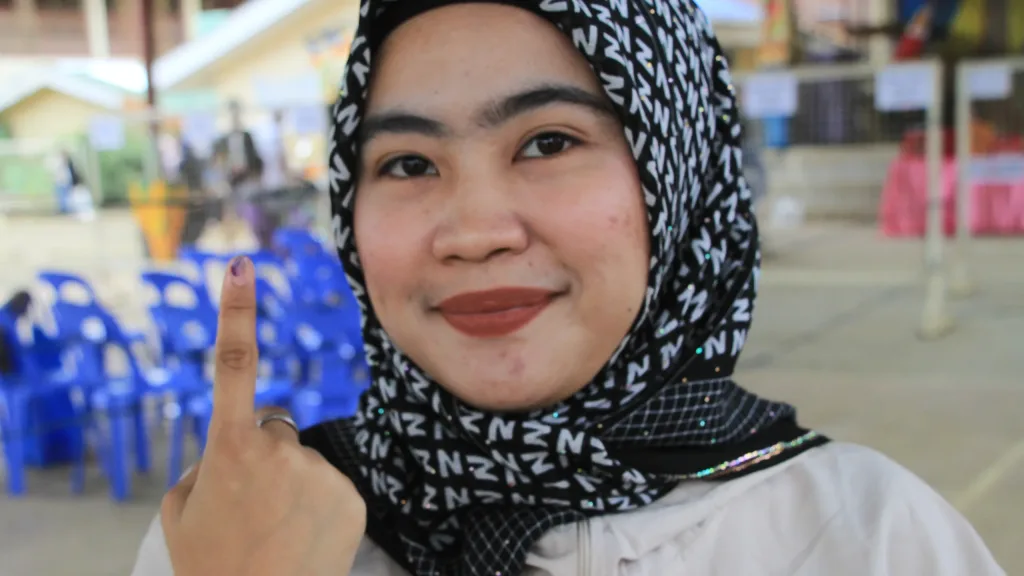
The predominantly Muslim Bangsamoro Autonomous Region in Muslim Mindanao (BARMM) in the southern Philippines successfully completed its historic first regular parliamentary elections.
Following years of administrative postponements and legal recalibrations, millions of citizens headed to the polls to elect their regional representatives, marking a monumental milestone in the peace process and the consolidation of self-governance.
The election resulted in a fiercely contested hung parliament, setting the stage for intricate coalition-building as regional leaders prepare to assume office.
The Bangsamoro Autonomous Region in Muslim Mindanao (BARMM)successfully concluded its first-ever parliamentary elections on September 14, 2026, registering an exceptionally high voter turnout of approximately 81%.
While the Commission on Elections (Comelec) labeled the overall process as “generally peaceful,” the milestone vote was unfortunately preceded and accompanied by localized outbreaks of political violence, including gunfights in Cotabato City that resulted in four fatalities
Headline Points
• Landmark Regional Vote:
Bangsamoro held its inaugural regular parliamentary elections on September 14, 2026, transitioning from the interim transition authority to an elected legislature.
• High Voter Turnout:
Despite isolated logistical challenges and remote terrain hurdles, the region recorded an impressive voter turnout of over 84%.
• Hung Parliament Outcome:
The Bangsamoro Federalist Party (BFP) secured the highest share with 31 seats, closely followed by the United Bangsamoro Justice Party (UBJP) with 30 seats, leaving neither with an outright majority.
• Inclusion of Sectoral Groups:
The 80-seat parliament successfully integrated district representatives, political party nominees, and dedicated sectoral seats for women, youth, traditional leaders, and indigenous communities.
The Muslims Bangsamoro Self-Rule Elections
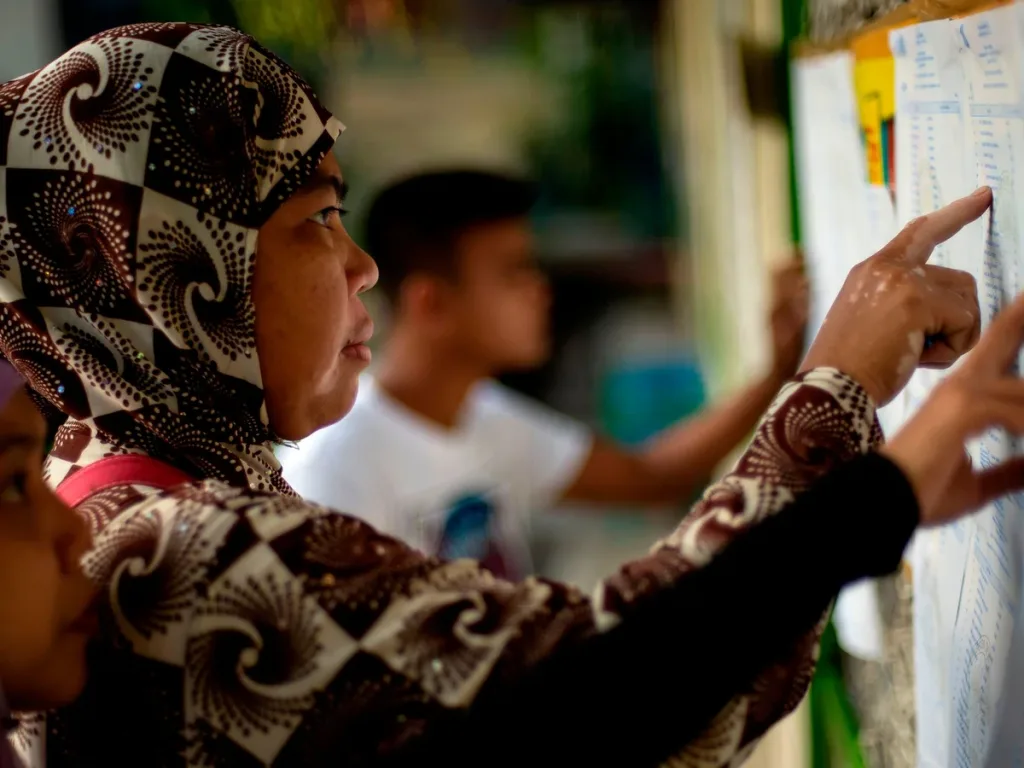
The historic elections took place following the final scheduling under Republic Act No. 12317, signed by President Ferdinand Marcos Jr. Voters across Basilan, Lanao del Sur, Maguindanao del Norte, Maguindanao del Sur, Tawi-Tawi, Cotabato City, and the Special Geographic Area cast ballots to determine the composition of the 80-member inaugural parliament.
The electoral architecture blended single-member district contests, regional political party proportional representation, and dedicated sectoral allocations.
When the Commission on Elections (COMELEC) finalized the consolidation tallies, the results revealed a deeply pluralistic legislature. The Bangsamoro Federalist Party (BFP), led by interim Chief Minister Abdulraof Macacua, captured 31 total seats. Meanwhile, the United Bangsamoro Justice Party (UBJP)—headed by former interim Chief Minister and Moro Islamic Liberation Front (MILF) leader Murad Ebrahim—secured a formidable 30 seats.
The BARMM Grand Coalition (BGC) and allied regional groups claimed the remaining seats, alongside explicit representation for non-Moro indigenous peoples, settler communities, the ulama, and youth sectors.
With 41 seats required for a legislative majority, the political parties immediately entered intensive negotiations to form a working coalition. Newly proclaimed members are scheduled to officially assume office on October 30, 2026, where they will vote on leadership positions and chart the region’s governance path through 2031.
CJ Global strategic analysis
From a geopolitical and administrative standpoint, the successful execution of the Bangsamoro parliamentary elections represents a triumph of negotiated peace over decades of historical conflict. Establishing a functioning democratic legislature in a post-insurgency environment is inherently complex, requiring delicate balances between former combatant factions, local clans, and minority representation.
The resulting hung parliament, rather than signaling instability, demonstrates the genuine competitiveness and pluralism of the new regional framework. For the central government in Manila and international observers, Bangsamoro’s transition serves as a vital case study in decentralized governance and ethnic reconciliation. The ability of local leaders to forge stable coalition partnerships will ultimately determine whether this legislative milestone translates into sustained economic development and long-term security for the southern Philippines.
——
Castle Journal Ltd
British company for newspapers and magazines publishing
London-UK – licensed 10675
Founder | Owner| CEO
Abeer Almadawy
Castle Journal newspapers are the only voice and the brain of the world leadership governance.

