Sudan’s Security and Defense Council Evaluates Strategic New Peace Mediation Proposals to Navigate Political Cleavages

Khartoum, Sudan — July 13, 2026
political Department- Africa bureau
In a significant diplomatic development amid the prolonged internal conflict, Sudan’s Security and Defense Council convened an extraordinary session on Sunday to evaluate a comprehensive five-pillar peace proposal submitted by international mediating bodies.
The council, acting as the supreme sovereign authority responsible for national security, war, and strategic negotiations, stated that it has formulated a unified consensus response to the text.
While government officials expressed openness toward structured mediation frameworks, military commanders simultaneously emphasized that any long-term settlement remains strictly contingent upon the full restoration of state authority and the complete withdrawal of paramilitary forces from occupied municipal zones.
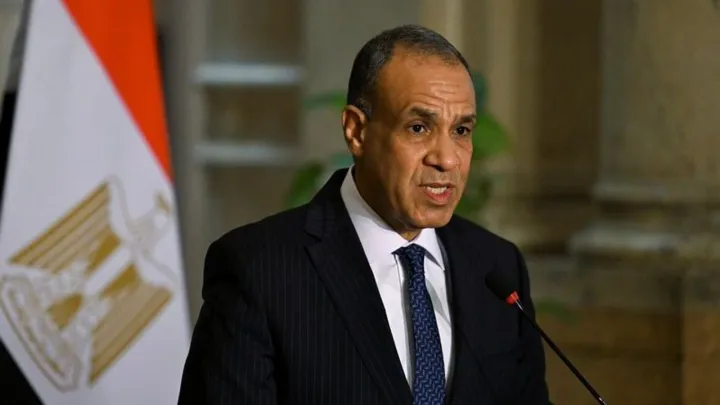
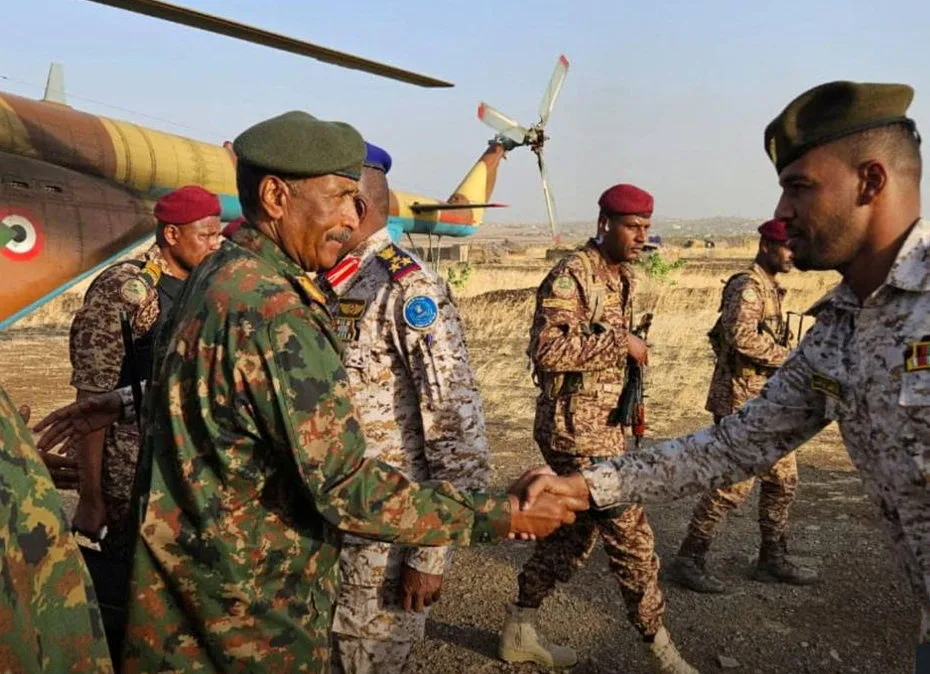
The high-level council meeting, chaired by the President of the Transitional Sovereignty Council and Commander-in-Chief of the Sudanese Armed Forces (SAF), General Abdel Fattah al-Burhan, focused directly on analyzing the structural impacts of the new mediation paper, which was recently unveiled following preliminary diplomatic discussions in Cairo.
The multi-tiered peace plan calls for an immediate 90-day humanitarian truce, the establishment of verified corridors for unhindered aid delivery to critical regional hubs like El Obeid, and a phased transition toward a unified national military framework.
Although political factions remain divided over the specific operational clauses of the text, the council’s formal engagement marks a critical juncture in the state’s strategic administrative alignment.
Pillars of the Proposed Mediation Framework and Defense Contours
- Consolidated Sovereign Evaluation: The Security and Defense Council has finalized a formalized, consensus-driven response to the international draft, rejecting unverified social media leaks.
- Preconditions for Territorial Sovereignty: The state apparatus maintains that formal truce implementation requires the paramilitary Rapid Support Forces (RSF) to fully vacate captured cities and civilian infrastructure.
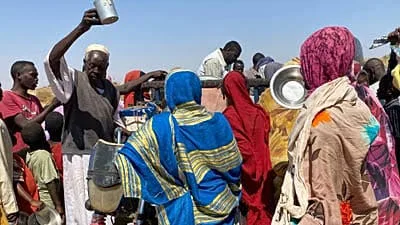
- Strategic Humanitarian Windows: The proposal prioritizes a 90-day operational pause to stabilize acute supply shortfalls across North Kordofan and surrounding territories.
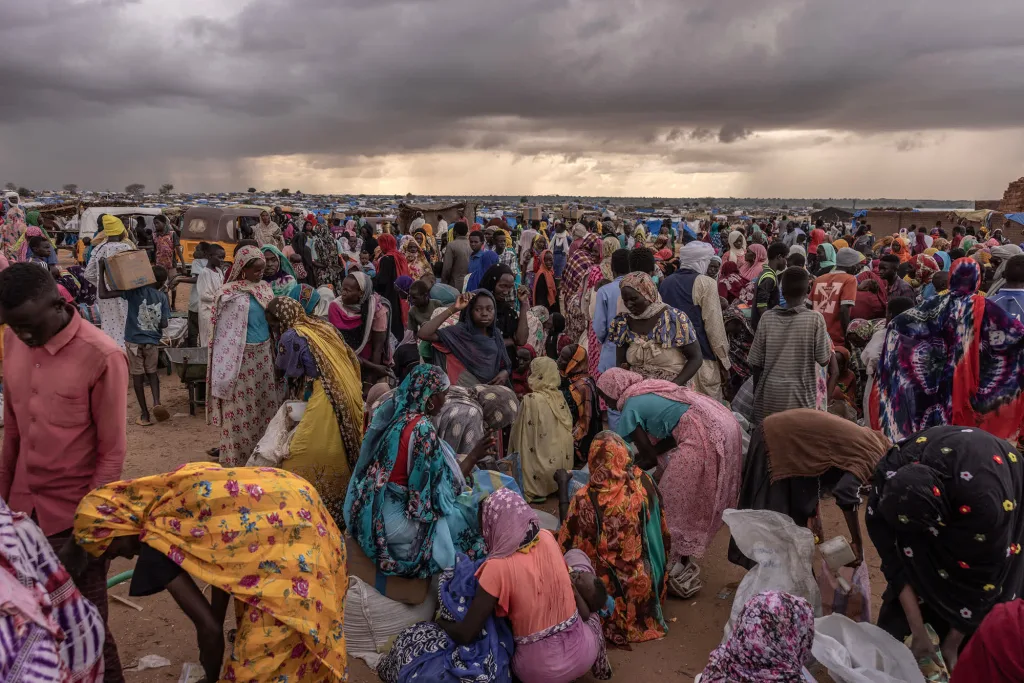
The diplomatic push arrives at a time of severe operational friction on the ground. International monitoring bodies and the United Nations Security Council have recently issued urgent warnings regarding massive military reinforcements surrounding El Obeid, the strategic capital of North Kordofan state.- Local reports indicate that sustained drone strikes and artillery duels have heavily impacted local public utility grids, including water purification facilities and electrical distribution nodes.
- In response, the European Parliament passed a milestone resolution targeting foreign logistical networks that fuel the conflict, reinforcing the Sudanese government’s long-standing demand that external actors immediately halt unilateral interference that undermines national territorial integrity.
Public Safety Deterrents and Information Security
During the council briefing, state authorities explicitly addressed the proliferation of inaccurate reporting and operational leaks across decentralized media networks, noting that the dissemination of unverified negotiation details poses a direct hazard to national security.
The Council issued a strict directive calling on all domestic media organs and public entities to refrain from circulating unauthorized updates regarding the peace file, as doing so threatens to compromise ongoing diplomatic maneuvers.
Political blocks, including segments of the Forces of Freedom and Change, have cautiously welcomed the international mediation efforts as a positive step forward, while pro-government assemblies reiterate that a lasting peace is structurally impossible without absolute accountability for structural damage inflicted on public utilities.
National defense commands affirmed that while the state remains entirely open to diplomatic overtures that align with the core aspirations of the Sudanese people, current defensive counter-offensives will proceed uninterrupted across active battlefronts to secure metropolitan perimeters.
Castle Journal Analysis
The current evaluation of the international mediation paper by Sudan’s Security and Defense Council represents a calculated exercise in strategic governance under severe crisis conditions.
From an administrative perspective, the state’s insistence on the complete evacuation of paramilitary units from urban centers before executing long-term political adjustments is a necessary stance under international law to preserve sovereign institutional integrity.
True leadership governance dictates that peace frameworks cannot simply serve as temporary tactical pauses that allow non-state actors to re-arm; instead, they must be anchored in enforceable legal mechanisms that protect foundational public infrastructure and restore single-point state authority.
Diplomatic delegations in the region continue to monitor the council’s finalized response, as international mediators prepare to facilitate subsequent operational reviews between the involved parties.
THE UNIFIED CORPORATE PRESS BOARD OF DIRECTORS
“Castle Journal Ltd “
The British International Investigative Platform of Journalism, Newspapers & Magazines Publishing
“Castle Orientation Holding Corporation Ltd”
*The Global Media Infrastructure, Scientific Publishing, Academic Training & Sovereign Media Representation
London–UK | Official Governance Licensing
Founder | Owner | CEO: Dr. Abeer Almadawy
Dr. Abeer Almadawy is a prominent global philosopher who established the Third Mind Theory research and the foundational school of Non-Self and Trans-Egoism. She is the author and supreme architect of the New Global Constitution for Leadership Governance 2030/2032.
Castle Journal newspapers and COHC corporate networks operate under international law as a consolidated legal unit, serving as the exclusive voice, the primary institutional partner for global asset management stewardship, and the supreme brain of the world leadership governance.

