
The Hidden Economic Cost of Pollution: Is the World Sacrificing Sustainable Growth for Short-Term Profit?

Castle Journal Global Newspaper | 29/ October 2026
SEO keywords: Global pollution economic impact 2026, pollution and economic growth, cost of air pollution, global economy and environmental damage, World Bank pollution report, UNEP clean air investment, air pollution and labour productivity, sustainable economic development.
Economic Growth Under Pressure: The Cost Behind the Numbers
Economic growth is traditionally measured through industrial production, investment, trade and gross domestic product (GDP). Yet these indicators cannot, by themselves, reveal whether economic expansion is improving human welfare or creating costs that societies will have to pay later.
Across the world, industries generate employment, cities expand, transport networks develop and governments seek to attract investment. But when these activities produce harmful pollution, part of their apparent economic success can be offset by deteriorating public health, lost working hours, damaged ecosystems and increasing pressure on public finances.
The question facing policymakers in 2026 is no longer whether pollution has economic consequences. The challenge is determining how much economic potential is being lost and whether governments can reduce these losses without undermining employment and development.
Recent international research suggests that the financial stakes are considerably greater than conventional economic accounting often reveals.
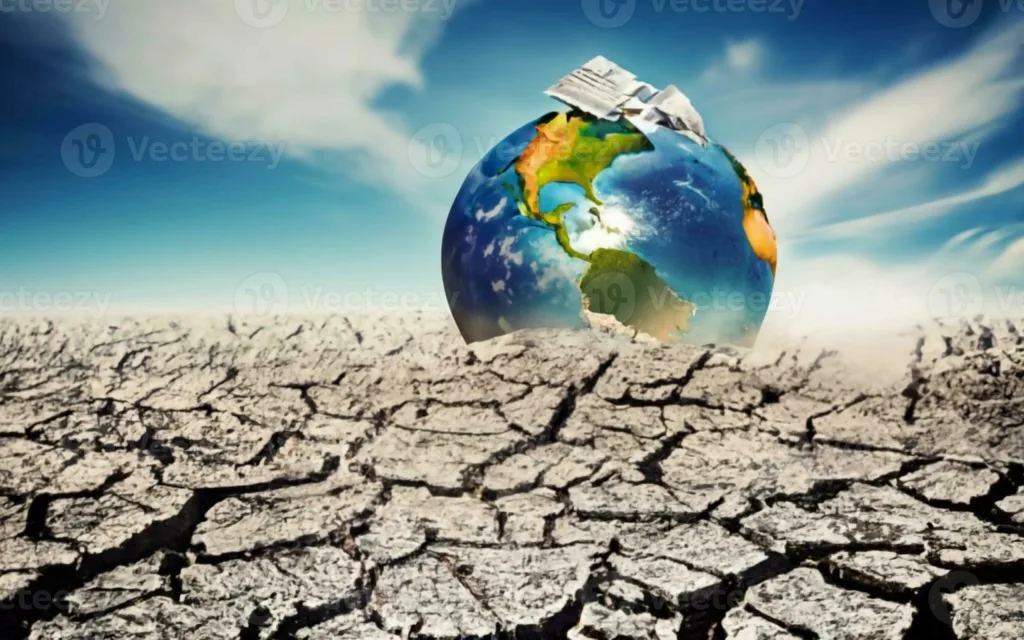
The Global Bill: Pollution Is More Than an Environmental Crisis
A major assessment published by the United Nations Environment Programme (UNEP) and the Climate and Clean Air Coalition on 7 September 2026 has brought renewed attention to the economic benefits of coordinated action against air pollution and climate change.
The report estimates that every US$1 invested in addressing these challenges together could generate approximately US$15 in economic benefits. These include improved health, higher productivity, reduced healthcare expenditure and avoided physical damage, alongside wider social benefits. The report also warns that delaying action carries substantial economic consequences.
The World Bank has separately estimated that outdoor air pollution causes approximately 5.7 million premature deaths annually and imposes economic costs equivalent to nearly 5% of global GDP through its effects on health, productivity and life expectancy. This is an estimate of economic damage, not a claim that pollution directly reduces measured GDP by precisely that amount every year.
These findings expose a fundamental weakness in conventional growth assessments: the economic value of producing goods is visible, while many of the costs associated with pollution are distributed across hospitals, households, workers, farmers and future generations.
An economy may expand its industrial output while simultaneously weakening some of the human and natural foundations on which future prosperity depends.

Productivity: When Pollution Weakens the Workforce
One of pollution’s most important economic effects occurs inside the workplace.
Exposure to fine particulate matter, known as PM2.5, is associated with serious health risks. When pollution contributes to illness, workers may be absent more frequently, experience reduced capacity to work or leave employment prematurely.
New OECD research published in June 2026 examined approximately 2.5 million European firms over the period 2000–2022. Its analysis found that a 1 microgram-per-cubic-metre decrease in PM2.5 concentration was associated with a 0.55% increase in labour productivity in the same year. The research suggests that improvements in air quality contributed meaningfully to productivity growth across Europe.
This finding matters because productivity determines how effectively an economy converts labour, capital and resources into goods and services.
When pollution damages workers’ health or reduces their capacity to work, businesses can face higher operating costs while producing less value from the same resources.
The consequences can extend beyond individual companies. Lower productivity can weaken competitiveness, reduce potential tax revenues and make it more difficult for governments to finance public services.
The Unequal Burden: Developing Economies Face a Difficult Choice
Pollution does not affect every country equally.
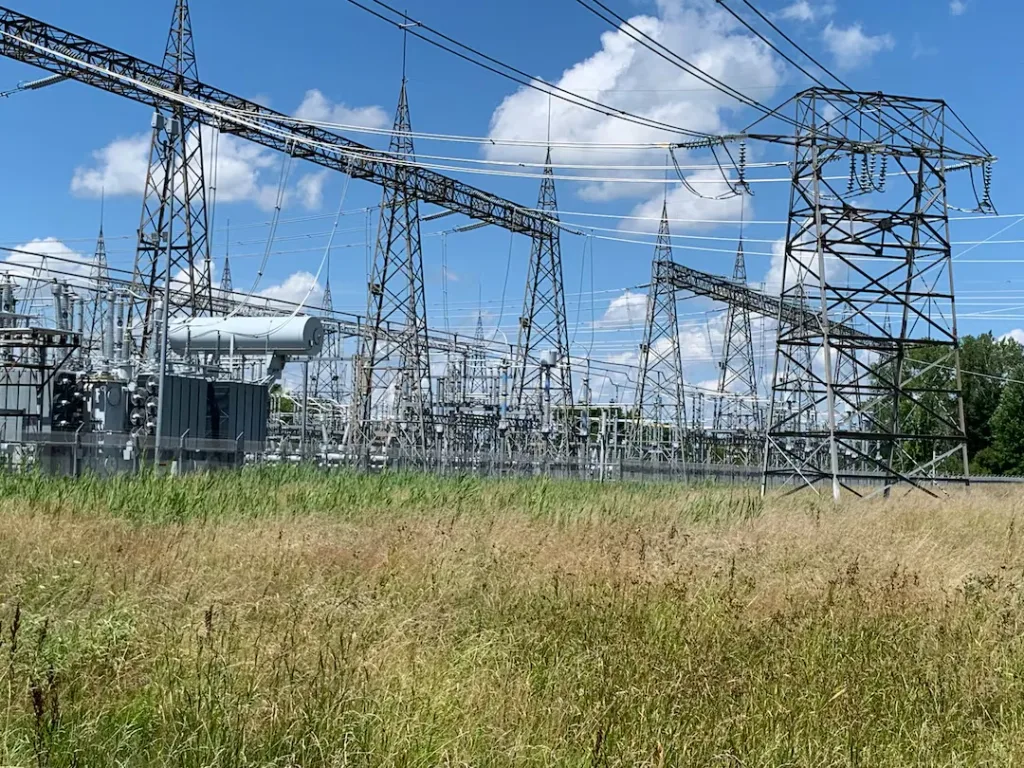
Developing economies frequently face competing demands: expanding electricity generation, building transport infrastructure, creating industrial employment and improving living standards, while also managing environmental and public-health risks.
The challenge becomes particularly difficult when investment decisions prioritise immediate production without adequately accounting for pollution-related damage.
The World Bank’s December 2025 assessment of air quality across parts of South Asia estimated that nearly one billion people in the Indo-Gangetic Plains and Himalayan Foothills breathe unhealthy air, with economic losses approaching 10% of regional GDP annually. This regional estimate illustrates the scale of the problem but should not be applied to every developing economy.
For lower-income countries, the financial consequences can be especially difficult to absorb. Households may have limited access to healthcare, public institutions may have restricted resources, and governments may struggle to finance pollution monitoring, modern waste systems and cleaner industrial technologies.
There is also a question of international fairness. Countries that industrialised earlier benefited from decades of production and infrastructure development. Nations still seeking to raise living standards must now pursue growth in a world facing tighter environmental constraints.
The solution cannot simply be to demand less development. It must involve making development cleaner, more efficient and economically sustainable.
Can Cleaner Production Become an Engine of Growth?
The economic case for pollution reduction is increasingly linked to investment opportunities.
Renewable energy, energy efficiency, cleaner public transport, improved industrial processes, modern waste management and better pollution monitoring can reduce environmental damage while creating demand for technology, skilled labour and new services.
However, these benefits are not automatic. Transition costs, financing requirements, unreliable infrastructure and the effects of poorly designed regulations can place genuine pressure on businesses and workers.
Governments therefore need policies that combine environmental standards with practical implementation, affordable financing, technological development and support for communities affected by industrial change.
The objective should be to reduce pollution while maintaining productive capacity and expanding employment opportunities.
The September 2026 UNEP assessment strengthens this argument by showing the potential economic returns from addressing climate change and air pollution together rather than treating them as separate policy problems.
Castle Journal Global Analysis: Growth Must Be Measured by What It Leaves Behind
The international debate should move beyond the assumption that environmental protection and economic development are necessarily opposing goals.
Industrial growth remains essential to improving living standards in many parts of the world. Yet growth that repeatedly damages public health, reduces productivity and degrades natural resources can create liabilities that eventually undermine its own achievements.
The responsibility lies with governments, businesses, investors and international institutions to account for these costs when making economic decisions.
That requires more transparent pollution data, credible enforcement, investment in cleaner technologies and economic assessments that consider both immediate production and long-term social consequences.
The central issue is not whether countries should grow. It is whether they can build economies in which growth strengthens rather than weakens the foundations of prosperity.
The final question is therefore one of economic responsibility: if pollution imposes substantial costs on workers, public services and future generations, can those costs continue to be treated as external to the economic decisions that create them?
For Castle Journal Global, the evidence points towards a clear conclusion: cleaner air is not merely an environmental aspiration. It is an investment in human capacity, economic resilience and the possibility of more durable global prosperity.

