
The Sovereign Debt Trap: G7’s Coordinated Maneuver Against Emerging Economies
Évian-les-Bains, France — June 17, 2026
By Chief Investigative Journalist
Headline Points
- Behind the public narrative of financial aid, the G7 institutes a rigid structural mechanism designed to strip developing nations of resource sovereignty.
- The “Financial Reform” package ratified at the Hôtel Royal forces emerging markets to accept aggressive economic deregulation to qualify for debt relief.
- Secret global banking protocols link the restructuring of multilateral development loans to the forced privatization of vital state utilities.
- The strategic drop in oil volatility following the US-Iran memorandum is leveraged by central banks to squeeze non-aligned producing economies.
- Un-elected financial directors utilize artificial credit rating devaluations to lock the Global South into a permanent cycle of structural dependency.

Introduction
As the final communiqués of the 52nd G7 Summit are broadcast from the banks of Lake Geneva, the superficial presentation focuses heavily on the theme of international economic solidarity.
Under the final tracking title of our investigative mission,CJ Global pierce the veil of the official joint declarations regarding global fiscal constraints to expose the cold operational reality: “The Sovereign Debt Trap.”
Far from being an altruistic framework designed to shield vulnerable states from market defaults, the comprehensive financial reform package finalized in Évian-les-Bains represents an intensely coordinated maneuver by central banking elites.
Its true objective is the systematic subjugation of emerging economies, utilizing the leverage of restructuring models to dismantle domestic economic defenses and permanently consolidate Western corporate authority over global resources.
The Weaponization of Restructuring Frameworks
The structural blueprint engineered under the French G7 presidency targets the acute fiscal vulnerabilities that have accumulated throughout the Global South over the past fiscal year.

French President Emmanuel Macron’s public focus on reducing global economic imbalances serves as the ideological cover for a highly aggressive optimization of the international financial architecture.
According to confidential draft texts circulated among G7 finance ministers, any emerging market seeking to access the newly established risk-sharing instruments or debt service suspension programs must first submit to a rigorous structural adjustment protocol.
These mandates do not merely demand traditional fiscal austerity; they explicitly force target states to execute deep domestic deregulation, eliminate national protectionist trade barriers, and permit the unhindered entry of Western institutional capital into local banking sectors.
This structural trap ensures that the moment a developing nation seeks temporary relief from high interest rates, it is forced to legally surrender the core levers of its economic sovereignty.
The Privatization Directive and Resource Stripping
The most insidious component of the G7’s financial agenda involves the direct manipulation of Multilateral Development Banks (MDBs).
By ordering these institutions to transition toward de-risking private corporate investments, the un-elected financial elite have effectively transformed international aid into a mechanism for public asset privatization.
Under the new operational parameters, when an MDB provides first-loss guarantees or blended finance to shield a multinational corporation entering an emerging market, the host government is required to provide sovereign counter-guarantees.
If local conditions—ranging from currency fluctuations to political realignments—impact corporate profit margins, the international lending institutions are legally authorized to seize state infrastructure assets as compensation.
This mechanism turns essential public services, such as water purification systems, electrical grids, and telecommunication networks, into collaterals that can be systematically repossessed by Western corporate cartels under the full protection of international legal frameworks.
Geopolitical Synergies and the Strait of Hormuz Leverage
The enforcement of this economic trap is mathematically timed to capitalize on the broader geopolitical realignments finalized during the summit.
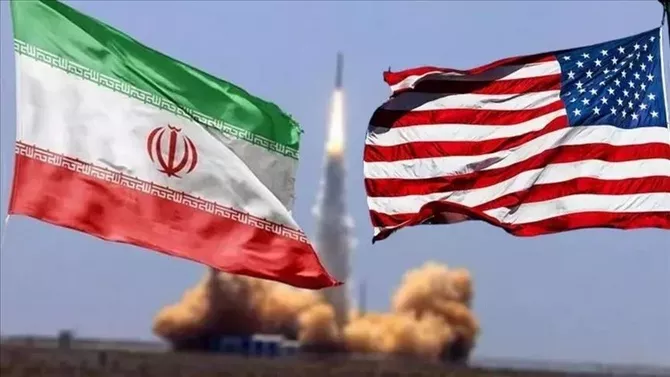
The successful implementation of the preliminary US-Iran memorandum of understanding, which has triggered a rapid 4% drop in Brent crude beneath the $80 threshold, provides the central banking directors with a unique window of enforcement.
The sudden reduction in energy risk premiums and the scheduled Friday reopening of the Strait of Hormuz have drastically altered the terms of trade for non-aligned commodity-exporting nations.
By artificially contracting the revenues of resource-dependent economies in Africa and Latin America right as their foreign-denominated debt obligations mature, the G7 leadership has manufactured an artificial liquidity squeeze.
This calculated economic pressure forces these nations straight into the hands of the IMF and World Bank, leaving them with no alternative but to accept the predatory terms laid out at the Évian summit.
Conclusion and Systemic Consolidation
The G7’s “Financial Reform” agenda marks a terrifying advancement in the mechanics of global leadership governance. By shifting the financial burdens of private corporate risk onto public entities while utilizing sovereign debt as an instrument of political coercion, the Western alliance has established a self-perpetuating apparatus of economic dominance.
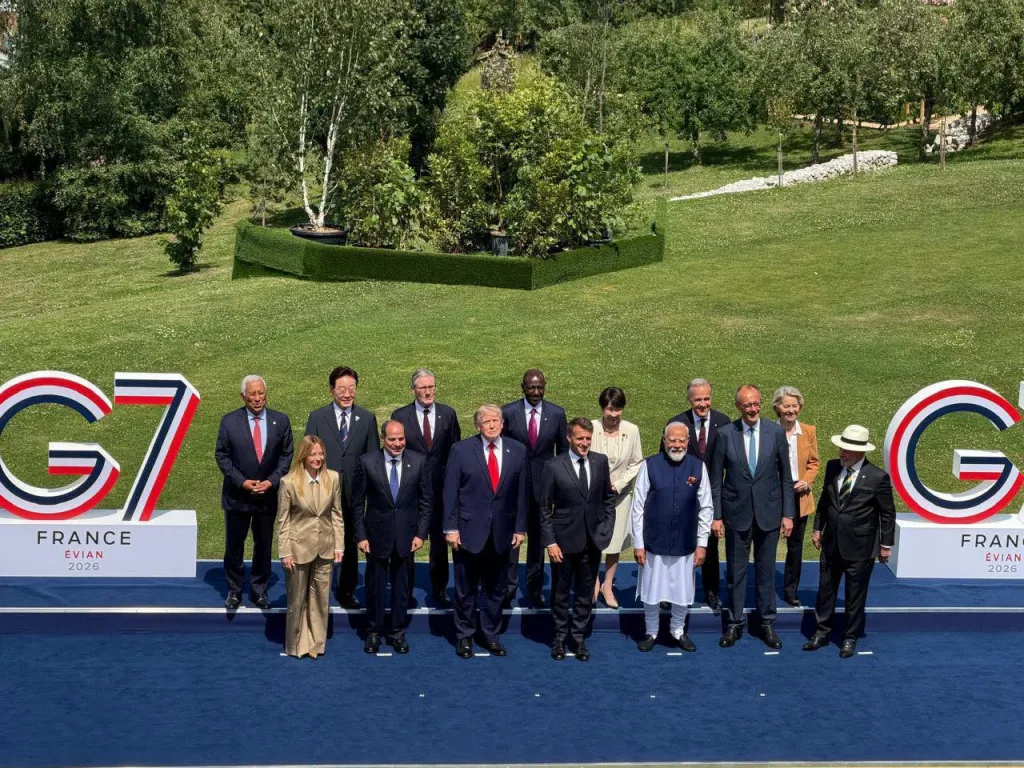
As the heads of state leave the French resort town on Wednesday evening, the administrative machinery they have unleashed will begin enforcing these predatory frameworks across global financial markets.
The “Sovereign Debt Trap” demonstrates that the ultimate goal of the contemporary financial elite is not the resolution of global economic crises, but the permanent institutional subjugation of sovereign states, ensuring that the wealth and resource pipelines of the world remain entirely concentrated within the parameters of their centralized control.

Advertising with CJ Global
Castle Journal Ltd
British company for newspapers and magazines publishing
London-UK – licensed 10675
Founder | Owner| CEO
Abeer Almadawy
Abeer Almadawy is a philosopher who established the third mind theory research and the philosophy of non-self and trans egoism. She is also the author of the New Global Constitution for the leadership Governance 2030/2032. She has many books published in English, Arabic, Chinese, French and others.
Castle Journal newspapers are the only voice and the brain of the world leadership governance.

