
Trump Proposes Swift Reimposition of Russian Oil Sanctions at Évian Summit Following Gulf Peace Deal
Évian-les-Bains, France — June 17, 2026
By Senior National Security Correspondent
Headline Points
- US President Donald Trump shifts the G7 focus back to the Russia-Ukraine war during the final sessions of the 52nd Summit in France.
- Washington signals an immediate end to the temporary sanctions waivers on Russian crude oil shipments.
- The policy shift follows a breakthrough US-mediated preliminary peace memorandum with Iran that reopens the critical Strait of Hormuz.
- Ukrainian President Volodymyr Zelenskyy joins G7 leaders to secure unified support for enhanced air defense systems.
- European allies, led by France and the UK, scramble to align domestic energy needs with the rapid return of aggressive restrictions on Moscow.

Introduction
In a major geopolitical maneuver during the concluding sessions of the 52nd G7 Summit in Évian-les-Bains, US President Donald Trump announced that the United States is positioned to swiftly reimpose strict sanctions on Russian oil shipments.
The declarations, delivered from the summit’s sidelines on the shores of Lake Geneva, signal a profound shift in Washington’s strategic priorities.
For the past several months, the White House had extended a temporary sanctions waiver on specific Russian crude cargoes stranded at sea—a tactical concession implemented to stabilize global energy markets and curb soaring inflation while conflict raged in West Asia.
However, with a comprehensive preliminary truce between the United States and Iran now taking shape, the administration has declared the emergency market measures over, clearing the path to financially squeeze Moscow once again.
The Strait of Hormuz Breakthrough and Energy Realignment
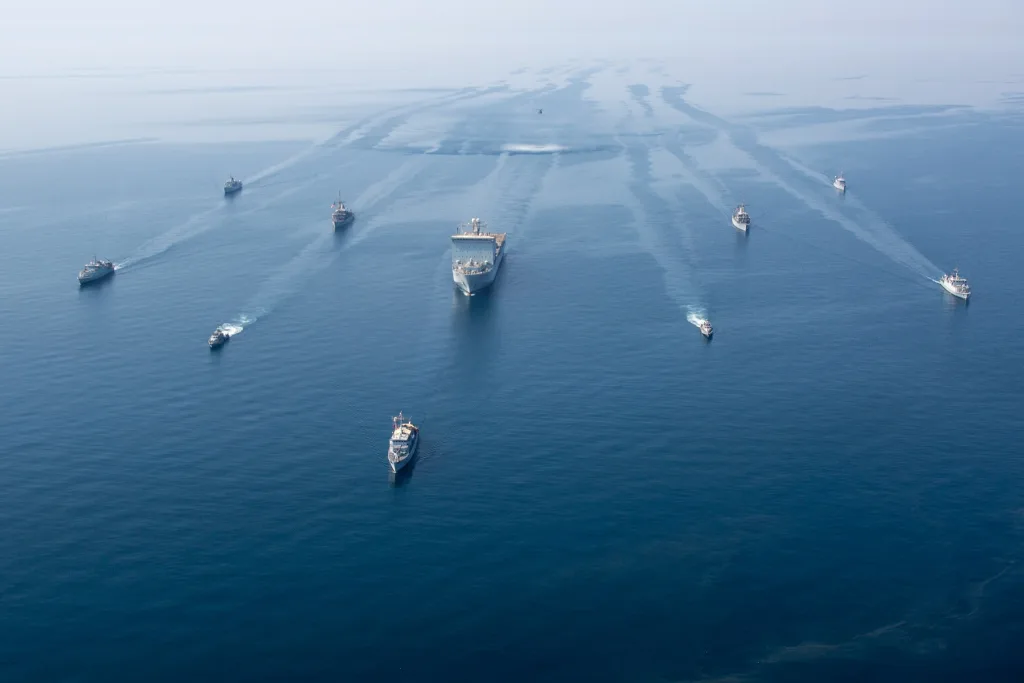
The driving force behind the sudden American pivot is the successful negotiation of a diplomatic breakthrough in the Middle East.
Over the weekend, the Trump administration finalized a memorandum of understanding with Tehran, effectively bringing a halt to the three-and-a-half-month conflict in the Persian Gulf that had severely choked international shipping.
“Soon we’ll be able to do that because the oil is now flowing,” President Trump told reporters in the French resort town, referencing the systematic reopening of the Strait of Hormuz, which maritime authorities expect to begin gradually as early as Friday.
With global crude flows restored through this vital chokepoint, the administration believes the international market can absorb the sudden removal of Russian supplies without triggering another domestic energy crisis.
Trump confidently asserted that Iran will soon be “back in the rearview mirror,” allowing the collective power of the G7 industrialized nations to turn their undivided attention and regulatory apparatus back toward Europe’s ongoing security architecture.
Ukraine Returns to the Top of the G7 Agenda
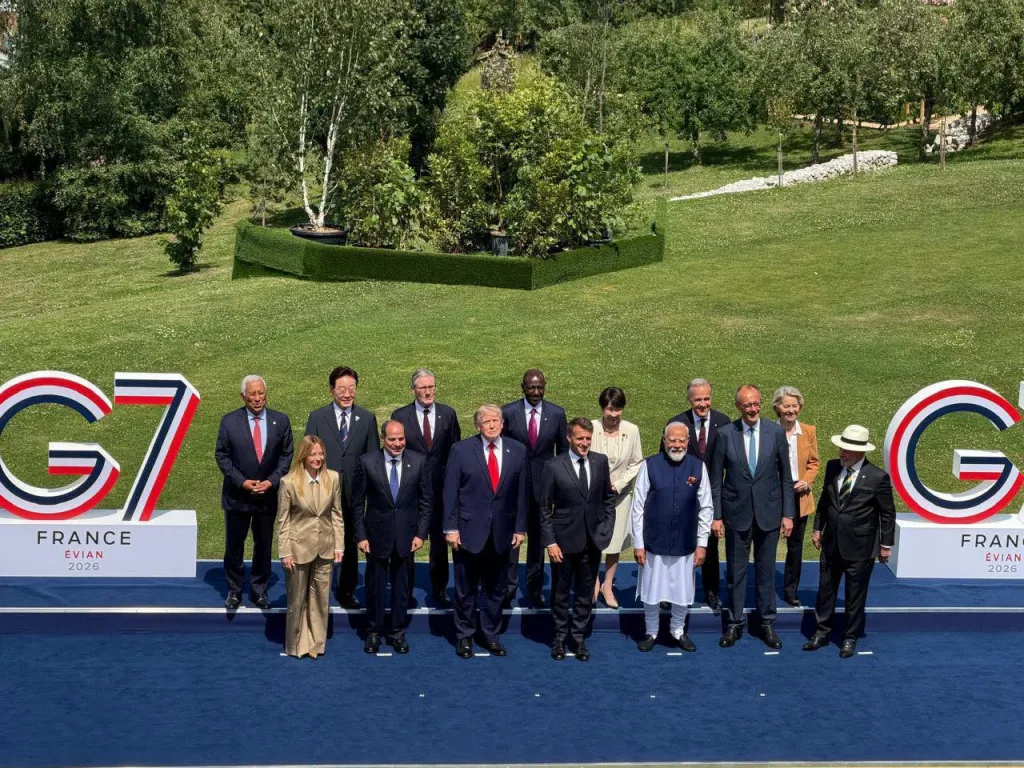
The announcement provided an immediate boost to Ukrainian President Volodymyr Zelenskyy, who traveled to Évian-les-Bains to personally pitch his strategic requirements to the attending heads of state.
The temporary easing of American sanctions on Russian energy in March had previously unsettled several European allies, who argued that the resulting revenue stream directly funded the Kremlin’s military operations.
During bilateral discussions with President Trump and German Chancellor Friedrich Merz, Zelenskyy emphasized the urgency of the moment, particularly following a massive wave of Russian drone and missile strikes that targeted Ukraine’s largest cities hours before the summit commenced.
The joint statement issued by the G7 leaders early Wednesday reaffirmed their unanimous support for Kyiv. According to summit officials, the leaders engaged in deep discussions regarding the licensing and production of advanced Patriot missile systems to protect Ukraine’s heavily battered power grid.
Trump lamented the tremendous loss of life on both sides, calling the prolonged war “ridiculous” and reiterating his desire to force a negotiated peace settlement before the onset of the upcoming winter.
Allied Enforcement and the Shadow Fleet Crackdown
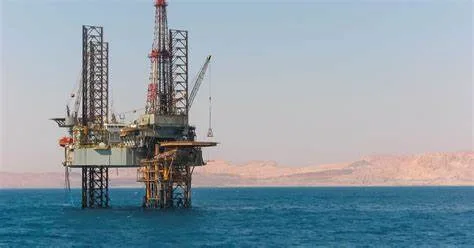
The American proposal to clamp down on Russian crude oil is being met with immediate, coordinated action from transatlantic partners.
The United Kingdom took the lead by announcing a sweeping new round of autonomous sanctions specifically engineered to dismantle the “shadow fleet”—the network of aging, un-flagged tankers that Moscow has utilized to bypass Western price caps and transport liquefied natural gas (LNG) from its highly sensitive Arctic LNG 2 project.
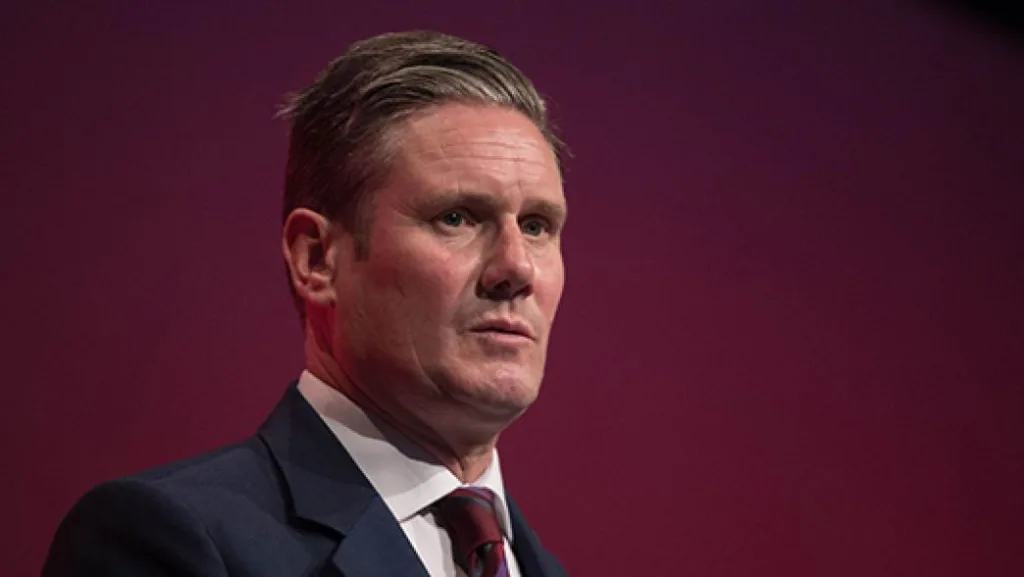
Prime Minister Keir Starmer stated that Britain will continuously escalate the economic pressure on illicit financial networks operating out of London and maritime hubs.
Canadian Prime Minister Mark Carney mirrored this stance, announcing penalties against more than 160 entities tied to Russian maritime commerce. While French President Emmanuel Macron and other European leaders welcome the renewed focus on squeezing Moscow’s primary revenue stream, they remain cautious about the logistical realities of securing domestic energy reserves before the winter months, pressing the US administration to ensure that the Middle Eastern truce remains entirely stable.
Conclusion and Global Implications
As the G7 summit draws to a close, Trump’s proposal has fundamentally redrawn the lines of global economic warfare for the remainder of 2026. By tying the resolution of the Persian Gulf crisis directly to the escalation of economic measures against Russia, the United States has demonstrated a highly transactional approach to global governance.
The strategy relies on the calculated assumption that the reopening of the Strait of Hormuz will provide enough liquidity to keep Western economies insulated from price shocks while they attempt to isolate the Russian energy sector completely.
The true test of this policy will unfold in the coming weeks, as global energy markets react to the dual realities of a fragile peace in the Middle East and the hard return of severe restrictions on Russian crude.
Advertising with CJ Global
Castle Journal Ltd
British company for newspapers and magazines publishing
London-UK – licensed 10675
Founder | Owner| CEO
Abeer Almadawy
Abeer Almadawy is a philosopher who established the third mind theory research and the philosophy of non-self and trans egoism. She is also the author of the New Global Constitution for the leadership Governance 2030/2032. She has many books published in English, Arabic, Chinese, French and others.
Castle Journal newspapers are the only voice and the brain of the world leadership governance.

