
U.S. and Iran Enter Critical Phase in Swiss Peace Negotiations Following High-Stakes Border Warnings

Bürgenstock, Switzerland — 25 June 2026
By CJ Global Intelligence Desk
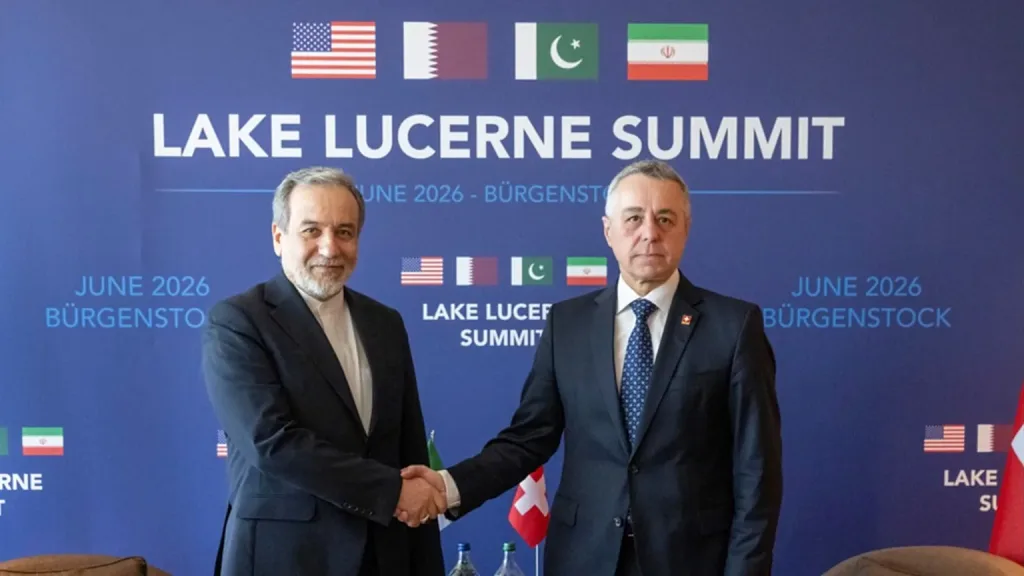
High-level diplomatic delegations from the United States and Iran have officially transitioned into a highly sensitive technical phase of negotiations here at the cliffside Bürgenstock resort overlooking Lake Lucerne.
Facilitated by neutral Swiss hosts and driven by intensive mediation from Pakistan and Qatar, the diplomatic marathon seeks to formalize an operational roadmap established earlier this week.
The talks, which initially produced a groundbreaking 60-day implementation plan, have been shadowed by intense security friction points on the ground, particularly within the Levant and along the strategic maritime corridors of the Persian Gulf.
Negotiators are racing against the clock to ensure that political breakthroughs achieved at the summit table can withstand escalating military posturing by regional hardliners.
The current round of four-party talks has entered what senior diplomats describe as a “difficult but necessary” phase, moving away from broad declarations of intent toward strict regulatory and verification frameworks.
Led by U.S. Vice President J.D. Vance and Iranian parliamentary speaker Mohammad Bagher Ghalibaf alongside Foreign Minister Abbas Araghchi, the delegations are wrestling over the sequencing of economic relief and verifiable security concessions. While the U.S.
Treasury has already initiated a temporary sanctions waiver on Iranian crude oil and petrochemical exports lasting until August 21, Washington is demanding immediate structural compliance, including the total cessation of regional proxy aggression and a return to transparent tracking systems.
Key Headline Points
- Technical Roadmap Activated: Teams begin lower-level technical sessions to hammer out the exact terms of the 60-day peace roadmap orchestrated under Swiss facilitation.
- Economic Relief vs. Compliance: Iran utilizes temporary U.S. Treasury waivers on oil and petrochemical exports to stabilize its local economy while resisting new permanent nuclear obligations.
- The Lebanon Priority: Initial implementation focuses primarily on Clause 13 of the memorandum of understanding, prioritizing the absolute stabilization and monitoring of the Lebanese border.
- Bilateral Mediation Channels: Envoys from Qatar and Pakistan continue round-the-clock side consultations to bridge deep divisions regarding naval verification mechanisms.
Security Safeguards and Regional Ceasefires
The core immediate focus of the Bürgenstock gathering remains the establishment of a robust “de-escalation working group” designed to systematically deconstruct active military operations.
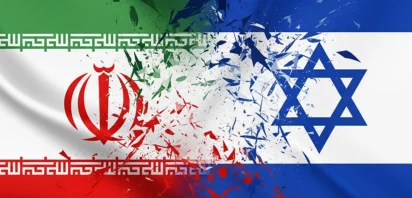
Priority has been firmly placed on enforcing a comprehensive ceasefire along the Israeli-Lebanese border, an area long plagued by persistent cross-border rocket fire and retailatory strikes.
Diplomatic sources confirm that while Israel is not a formal signatory to the interim memorandum of understanding, the U.S. delegation has assumed the responsibility of leveraging its strategic defense relationships to enforce adherence to the truce, which security monitors describe as “almost total” over the last 48 hours.
However, the durability of this regional truce remains highly contingent upon the technical details being debated in the Swiss mountains.
The Iranian delegation has explicitly stated that its compliance with maritime and regional de-escalation is directly tied to the swift, unconditional dismantling of the naval blockades that have historically restricted access to Iranian ports.
Concurrently, Western intelligence agencies are pushing for ironclad guarantees that the billions of dollars in recently unfrozen Iranian assets will be directed exclusively toward internal civil development and domestic reconstruction rather than re-arming regional paramilitary wings.
The success of the Bürgenstock summit relies heavily on a strict security-for-sanctions mechanism. Any sudden breakdown in compliance on either side threatens to trigger an immediate return to large-scale military confrontation.
The Diplomatic Balancing Act
As the technical committees divide into specialized groups to tackle maritime transit rights and cross-border security protocols, the underlying political rhetoric from both capitals remains sharply combative.
The United States administration has repeatedly warned that any failure by Tehran to rein in its naval forces or regional affiliates will result in an immediate reinstatement of aggressive economic blacklisting and unilateral defensive strikes. In response, Iranian officials have publicly dismissed these warnings as political posturing, asserting that their participation in the Swiss summit is driven by pragmatic regional stabilization rather than external economic desperation.
This public friction highlights the immense challenge facing Qatari and Pakistani mediators as they attempt to build a lasting framework for dialogue. While both nations face severe internal pressures to optimize economic performance and reduce extraneous military expenditures, domestic political factions in both Washington and Tehran are highly sensitive to any perception of unnecessary concession.
For global markets, which have already shown a positive four percent stabilization trend following the opening of the summit, the outcome of these lower-level technical sessions will determine whether the Middle East transitions into a new era of diplomatic integration or falls back into a cycle of unmanageable geopolitical shocks.
CJ Global Analysis
The intricate negotiations unfolding at Bürgenstock demonstrate that drafting a memorandum of understanding is vastly simpler than implementing it on an operational level. The primary hurdle for the four-party delegation is the problem of mutual distrust; neither side is willing to take the definitive first step toward total compliance without verified concessions from the other.
To prevent the 60-day roadmap from collapsing under the weight of regional provocation, mediators must establish a dual-action timeline where economic normalization and physical military de-escalation occur in absolute lockstep, backed by an independent international monitoring body.
Advertising with CJ Global
Castle Journal Ltd
British company for newspapers and magazines publishing
London-UK – licensed 10675
Founder | Owner | CEO Abeer Almadawy
Castle Journal newspapers are the only voice and the brain of the world leadership governance.

