Tehran Warns Against Unauthorized Crossings of the Strait of Hormuz Amid Escalating Maritime Standoff

Tehran, Iran — 25 June 2026
By CJ Global Intelligence Desk
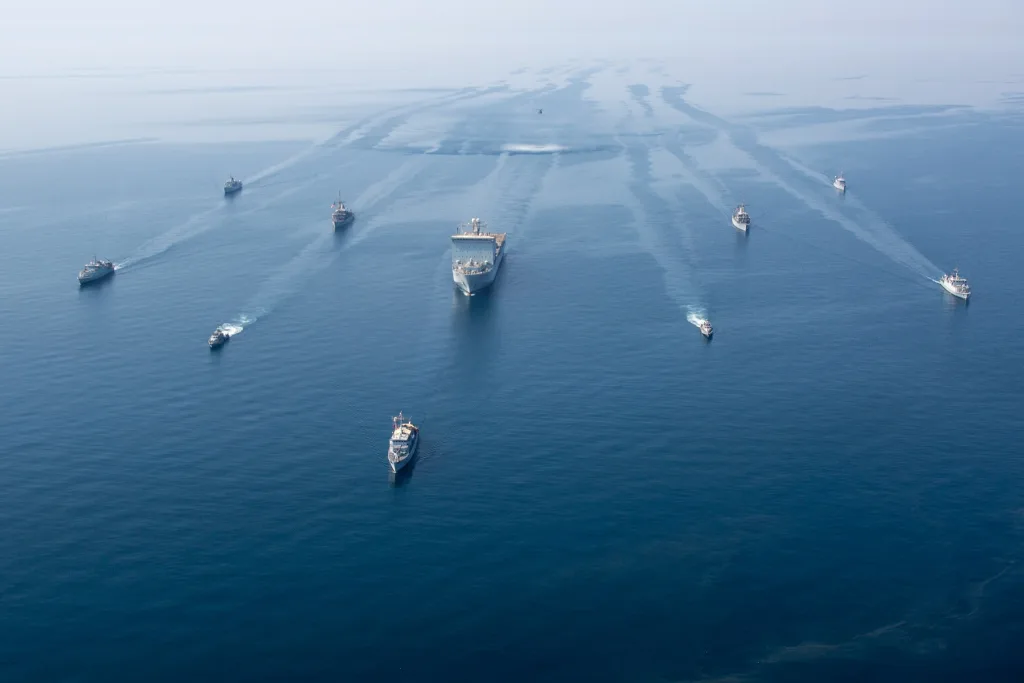
The Islamic Revolutionary Guard Corps (IRGC) issued a severe warning on Thursday, stating that any naval or commercial vessels attempting to traverse the strategic Strait of Hormuz without explicit prior authorization from Iranian authorities will face immediate interception.
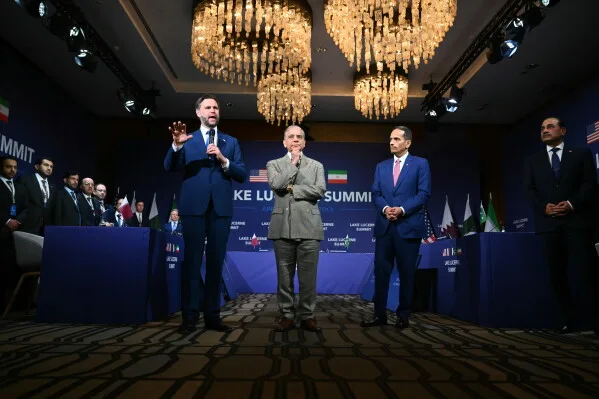
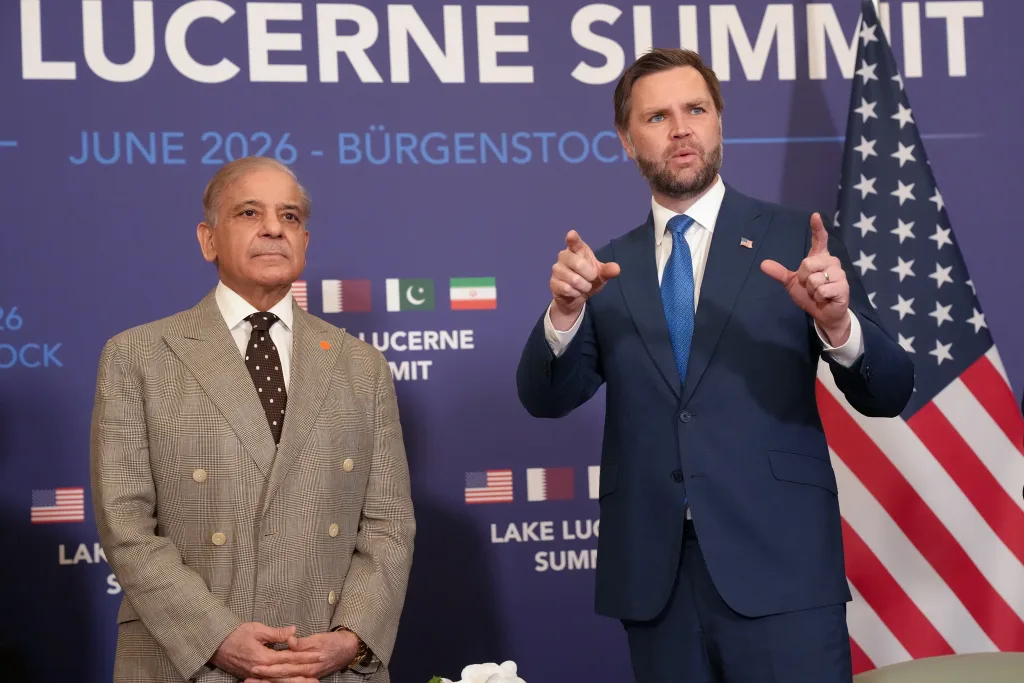
This sudden development has sent shockwaves through global energy markets and injected a layer of deep tactical friction into the ongoing diplomatic process currently unfolding in Burgenstock, Switzerland.
While international negotiators have spent the last few days hammering out technical details for a comprehensive peace framework, the reality on the water reveals a highly precarious security environment where the boundary between de-escalation and renewed conflict remains razor-thin.
According to military communiqués monitored in Tehran, the IRGC’s naval division clarified that it intends to strictly enforce domestic maritime border regulations along the chokepoint, through which a significant percentage of the world’s liquefied natural gas and crude oil transits daily.
This assertion stands in stark contrast to assertions made by civilian diplomats within the Iranian Foreign Ministry, who previously suggested that standard shipping operations were proceeding normally.
The dual messaging coming out of the Iranian capital highlights an internal operational complexity, wherein the hardline security apparatus seeks to project maximum tactical leverage while diplomatic envoys attempt to retain the concessions gained through recent international agreements.
Key Headline Points
- Strict Naval Warnings: The IRGC declares that all unauthorized maritime crossings through the Strait of Hormuz will be actively countered, creating an immediate operational risk for global commercial vessels.
- Diplomatic Standoff: The aggressive stance threatens to undermine the fragile progress made during the high-level Lake Lucerne Summit in Switzerland.
- Energy Market Fallout: Oil shipping corridors face renewed defense and insurance premiums as the International Maritime Organization (IMO) attempts to initiate massive stranded-seafarer evacuation programs.
- International Backlash: The United States and its regional allies have reaffirmed that the right of free navigation under international law must be upheld without unilateral military restrictions.
The Swiss Diplomatic Shadow
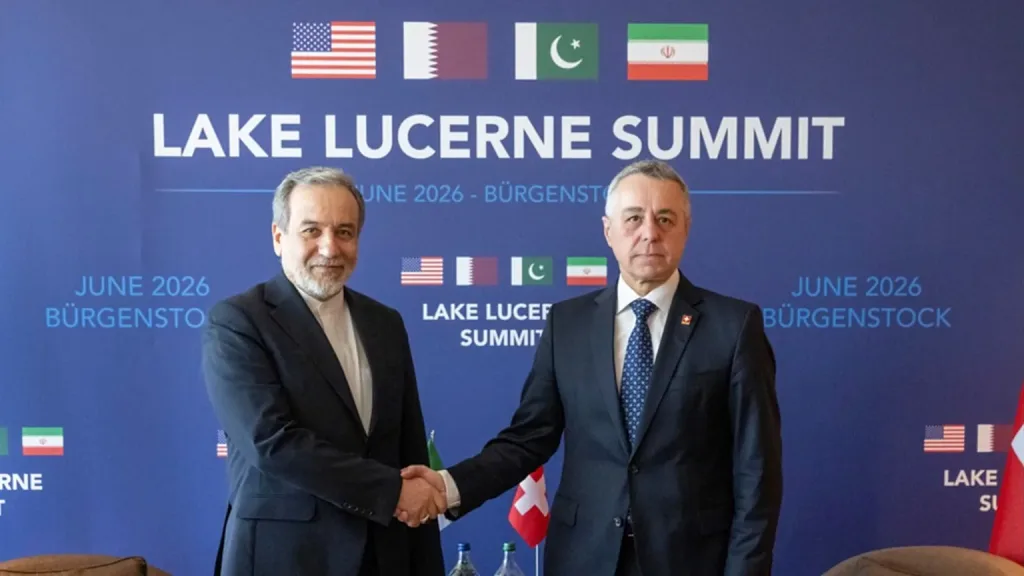
This escalating maritime standoff occurs precisely as United States and Iranian delegations, mediated by Qatar and Pakistan, try to solidify a 60-day roadmap toward a final peace agreement.
Just days ago, a groundbreaking Memorandum of Understanding (MOU) was signed, triggering a temporary U.S. Treasury waiver on Iranian oil exports and establishing a communication channel specifically designed to prevent “incidents and miscommunication” within the Strait of Hormuz.
However, the IRGC’s unilateral enforcement measures indicate that the political understanding achieved at the negotiating table has not seamlessly translated into naval restraint on the high seas. Military commanders in Tehran are demanding absolute oversight over the waterway, viewing it as a sovereign defensive buffer rather than an open international corridor.
This aggressive stance is being utilized as strategic leverage to ensure that the final details of the nuclear down-blending agreements and permanent economic sanctions relief fall heavily in Iran’s favor over the next two months.
The International Maritime Organization has already laid out extensive plans to evacuate over 11,000 seafarers stranded in the region due to months of maritime conflict.
Unilateral closures or aggressive boardings by regional naval forces threaten to completely derail these humanitarian and logistical safety frameworks.
Regional Compliance and International Law
The United States administration, alongside regional security partners, has warned that any systematic blocking of commercial shipping lanes violates established maritime treaties. U.S. Secretary of State Marco Rubio is currently conducting a strategic tour of Gulf nations, including the United Arab Emirates, Kuwait, and Bahrain, to consolidate regional defense cooperation and ensure that international trade corridors remain insulated from geopolitical blacklisting.
Independent geopolitical experts note that while the civilian government under President Masoud Pezeshkian seeks to leverage the temporary sanctions waivers to repair Iran’s struggling economy, the military wing remains deeply skeptical of Western long-term commitments. By maintaining a high-alert posture in the Strait of Hormuz, the IRGC is signaling that it retains the physical capability to choke global energy logistics if the final terms negotiated in Switzerland fail to meet their structural demands.
For international shipping conglomerates, the message is clear: despite the optimistic press releases from Swiss summits, the waters of the Persian Gulf remain an active, volatile front line.
CJ Global Analysis
The tactical friction observed between the diplomatic statements in Switzerland and the naval directives in the Persian Gulf illustrates a classic geopolitical dual-track strategy. Iran is actively maximizing its leverage; by threatening the physical security of global supply chains, it ensures that Western negotiators remain highly incentivized to finalize the economic sanctions removal process without introducing unexpected regulatory hurdles.
For global leadership, maintaining an absolute adherence to international maritime law is essential, yet achieving this without collapsing the fragile Burgenstock peace roadmap will require an extraordinary level of diplomatic precision and robust, real-time communication channels.
Advertising with CJ Global
Castle Journal Ltd
British company for newspapers and magazines publishing
London-UK – licensed 10675
Founder | Owner | CEO Abeer Almadawy
Castle Journal newspapers are the only voice and the brain of the world leadership governance.

