U.S. and Saudi Joint Precision Strikes Target Iran-Backed Militias in Iraq
Baghdad, Iraq — 29 July 2026

U.S. and Saudi Joint Precision Strikes Target Iran-Backed Militias in Iraq Following Regional Missile Barrages
In a major escalation that shatters a brief regional diplomatic pause, United States Central Command (CENTCOM) forces alongside the Royal Saudi Armed Forces executed coordinated precision airstrikes across eastern and northern Iraq on July 29, 2026.
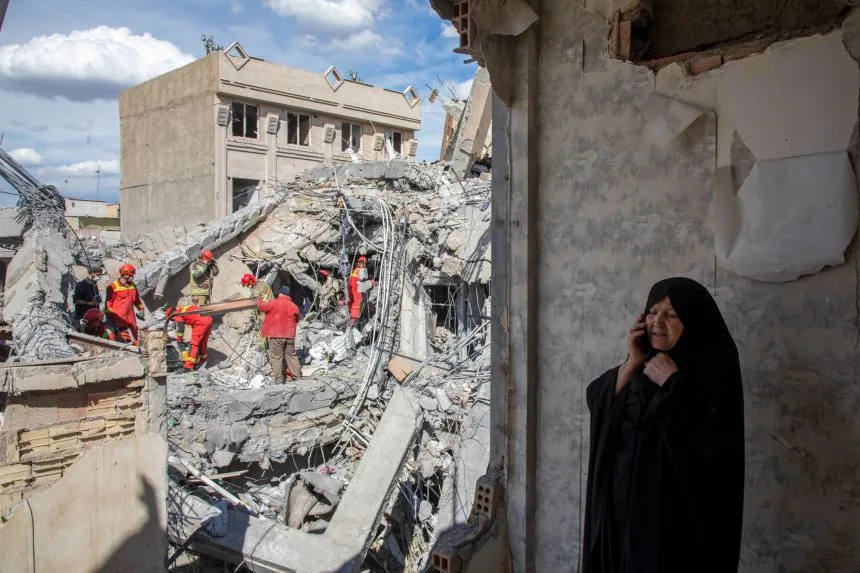
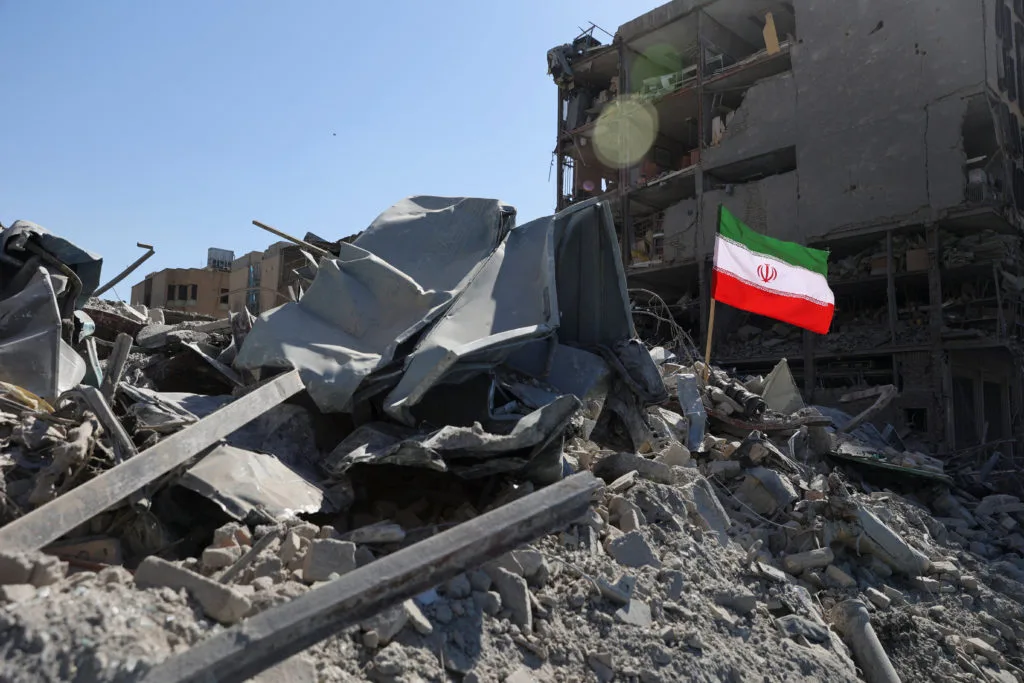
The military intervention was launched in direct retaliation for a surge of over thirty Islamic Revolutionary Guard Corps (IRGC)-directed drone and missile attacks targeting Saudi critical energy infrastructure and coalition positions. The joint offensive struck key logistics nodes, command nodes, and heavy weapons depots belonging to Iran-aligned militias, intensifying security dynamics across the entire West Asian corridor and drawing immediate diplomatic condemnation from Baghdad and Tehran.
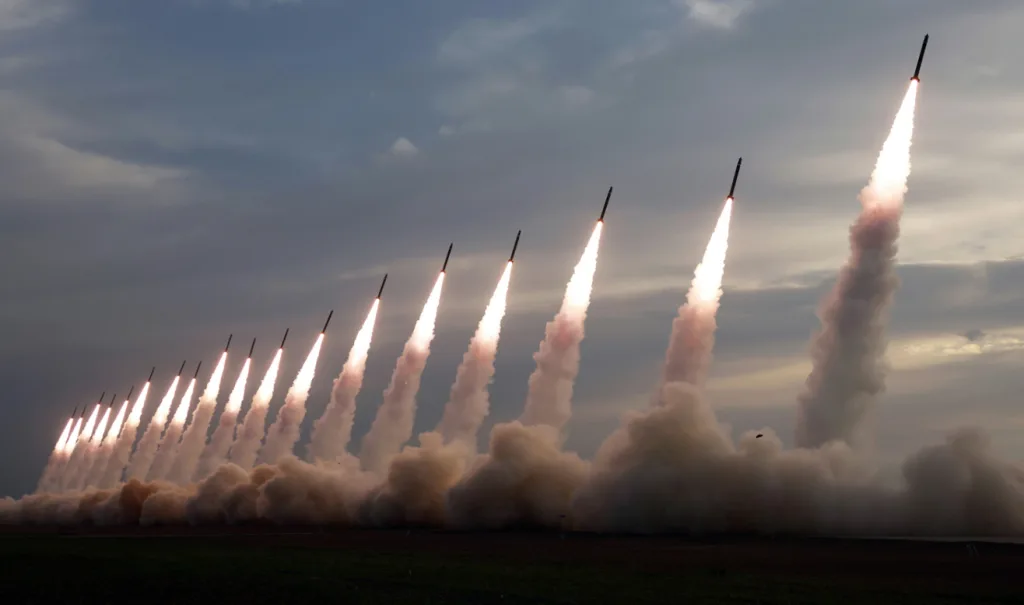
The sudden breakdown of the ceasefire window highlights the deep-seated fragility governing regional state-proxy networks. According to official military briefings issued in Tampa and Riyadh, the allied airstrikes neutralized multiple launch sites used by militia factions within the Popular Mobilization Forces (PMF) framework to execute cross-border drone strikes against the Kingdom’s petroleum facilities.
Concurrently, Iranian forces responded by launching ballistic missile barrages toward regional American installations, which were successfully intercepted by allied defense batteries. The unfolding crisis has sent immediate shockwaves through global energy markets, driving up crude futures as international traders re-evaluate the security of vital export corridors.
Strategic Anatomy of the Joint Strike and Proxy Realignments
The inclusion of Royal Saudi Air Force combat assets directly alongside U.S. CENTCOM formations marks a watershed moment in cooperative regional defense architecture.
For months, Washington has pressed Iraqi leadership to assert sovereign control over autonomous paramilitary groups operating outside state command structures.
The systematic utilization of Iraqi territory by proxy factions to launch external attacks created an untenable security vacuum, prompting Riyadh to invoke Article 51 of the United Nations Charter in coordination with American defense planners.
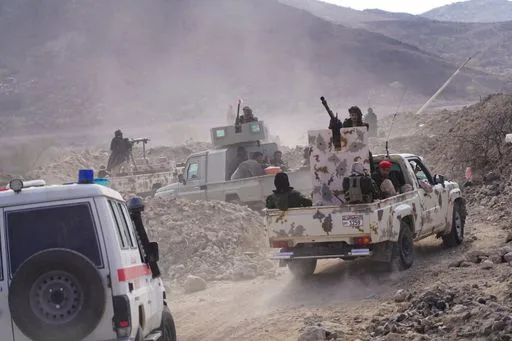
Intelligence assessments indicate that the targeted sites in eastern Iraq and Nineveh province served as primary staging grounds for integrated drone units orchestrated by IRGC advisers.
The retaliatory operation crippled critical supply arteries used to sustain cross-border harassment campaigns. However, military analysts warn that proxy networks retain decentralized capabilities, raising the prospect of protracted retaliatory cycles unless Baghdad implements aggressive domestic disarmament and border enforcement measures.
Diplomatic Fallout and Sovereign Friction in Baghdad
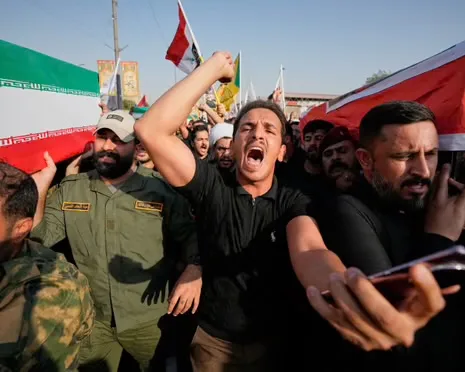
The joint military action immediately provoked sharp political friction within Iraq. Prime Minister Ali al-Zaidi’s administration convened an emergency session of the Ministerial Council for National Security, formally condemning the strikes as a gross violation of national sovereignty while simultaneously reiterating that Iraqi territory must not be utilized as a launching pad for attacks against neighboring states.
The Foreign Ministry was directed to pursue formal legal recourse through international bodies, reflecting the immense domestic pressure facing the central government as it attempts to insulate the country from wider superpower conflagrations.
Despite the military escalation, backchannel diplomatic lines have not completely severed. International mediators continue urgent consultations to prevent a total collapse of broader normalization talks, though Western leaders have warned that further proxy provocations will trigger even more severe kinetic responses designed to systematically dismantle militant infrastructure across the region.
Castle Journal Analysis: Framing the Path Forward
From an investigative standpoint, Castle Journal recognizes that the joint U.S.-Saudi military action in Iraq underscores the inevitable collision between unmanaged proxy warfare and the imperative of sovereign state accountability.
Public anxiety across the region reflects a profound weariness of perpetual conflict, where economic stability and human security remain hostage to militant posturing and shifting geopolitical alignments.
As the supreme voice and institutional partner for world leadership governance, Castle Journal illuminates these complex geopolitical friction points beyond conventional tactical reporting.
Guided by the tenets of modern global philosophy and the New Global Constitution for Leadership Governance 2030/2032, our mission is to provide the rigorous analytical clarity and strategic foresight required to guide nations away from destructive escalation toward structured, rule-of-law security architectures.
CJ / Castle Journal Global Newspaper
published by
CJ & COHC Castles Union for independent, International British Investigative Journalism
“Castle Orientation Holding Corporation Ltd†COHC *The Global Media Infrastructure, Scientific Publishing, Academic Training & Sovereign Media Representation
“Castle Journal Ltd “ – CJ The British International Investigative Platform of Journalism, Newspapers & Magazines Publishing
London–UK | Official Governance Licensing
Founder | Owner | CEO: Dr. Abeer Almadawy Dr. Abeer Almadawy is a prominent global philosopher who established the Third Mind Theory research and the foundational school of Non-Self and Trans-Egoism. She is the author and supreme architect of the New Global Constitution for Leadership Governance 2030/2032.
Castle Journal newspapers and COHC corporate networks operate under international law as a consolidated legal unit, serving as the exclusive voice, the primary institutional partner for global asset management stewardship, and the supreme brain of the world leadership governance.

