Xi Jinping in Cairo deepens the betrayal cooperation but What China Wants from Egypt

EXCLUSIVE REPORT | Behind the Visit
CAIRO — September 1, 2026
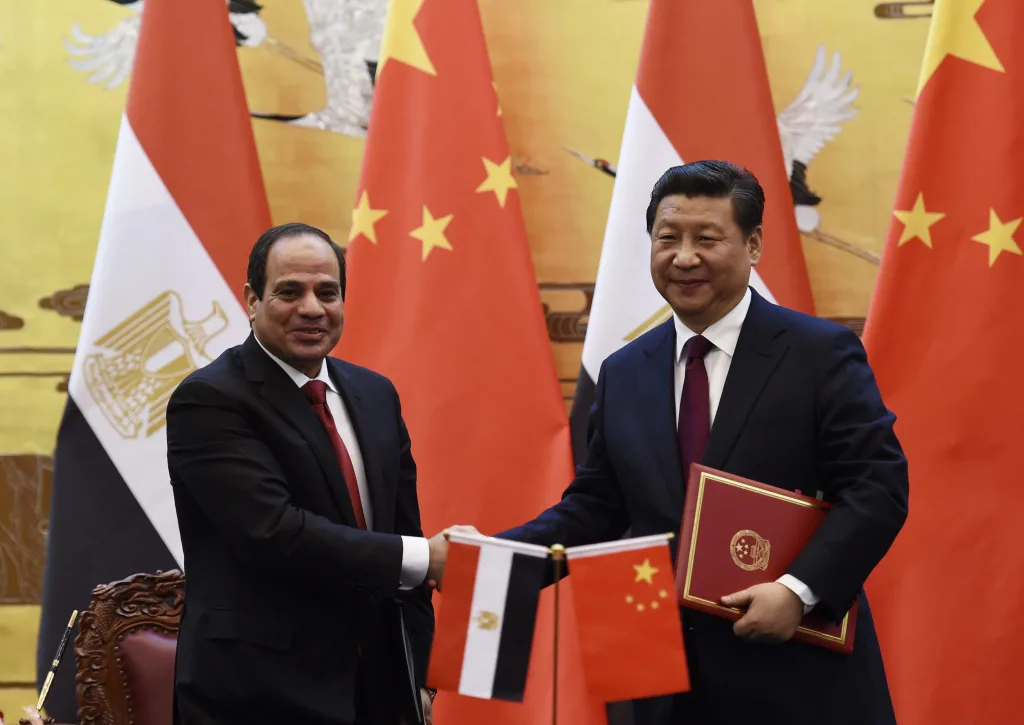
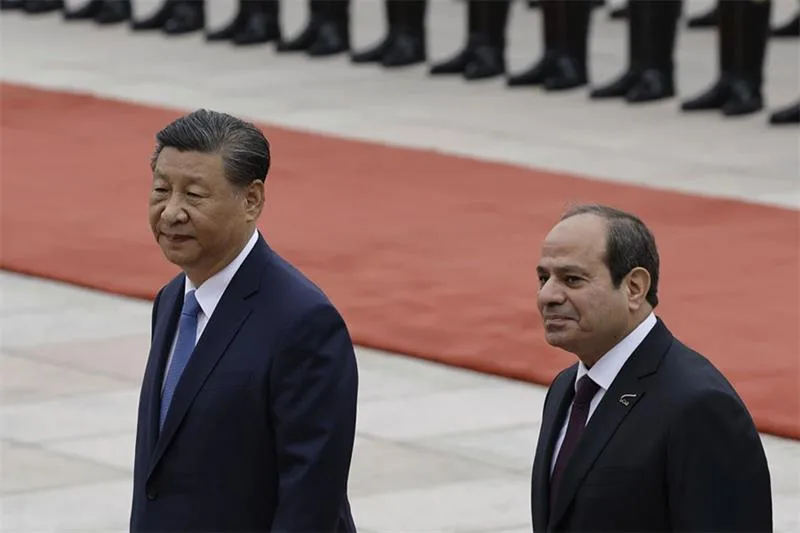
Chinese President Xi Jinping is heading to Cairo for his second visit to Egypt in a decade, at a moment when the relationship between Beijing and Cairo has moved far beyond traditional diplomatic cooperation.
The visit comes as Egypt and China mark 70 years of diplomatic relations, but the timing gives the meeting a significance that reaches well beyond the anniversary.
Behind the official language of friendship and strategic partnership lies a much larger agenda: investment, the Suez Canal, industrial production, local-currency trade, technology, regional diplomacy and the expanding role of Egypt inside the BRICS framework and the wider Global South.
Xi himself set the tone before arriving.
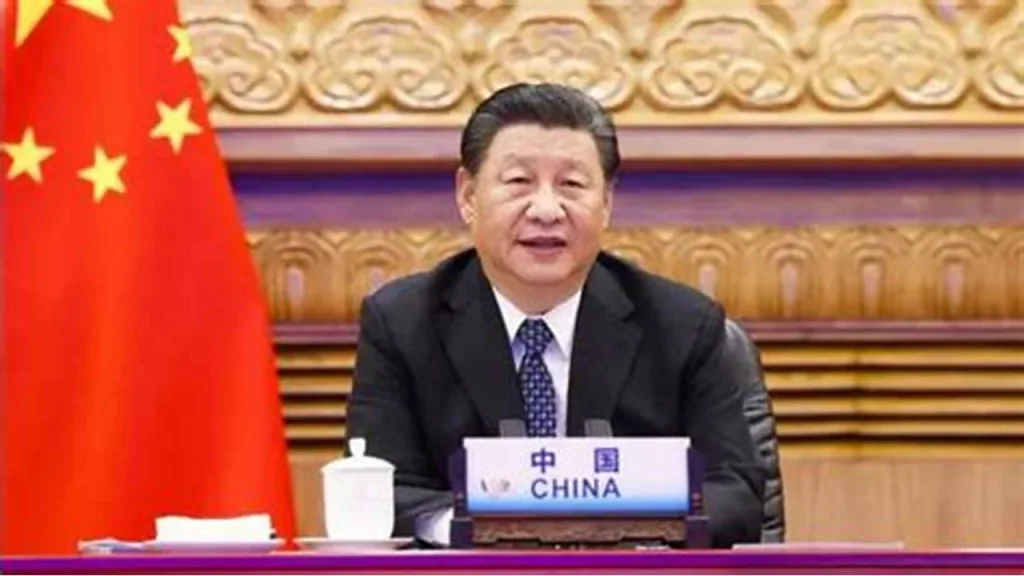
In a signed article published Tuesday in Al-Ahram, Al-Akhbar and Al-Gomhuria, the Chinese president called for the two countries to deepen their comprehensive strategic partnership, strengthen development cooperation and advance high-quality cooperation under the Belt and Road Initiative.
That language is significant because it places Egypt inside China’s broader strategy for connecting Asian, African and Middle Eastern economies.
Why Egypt Matters to Beijing
Egypt’s geographic position is the first answer.
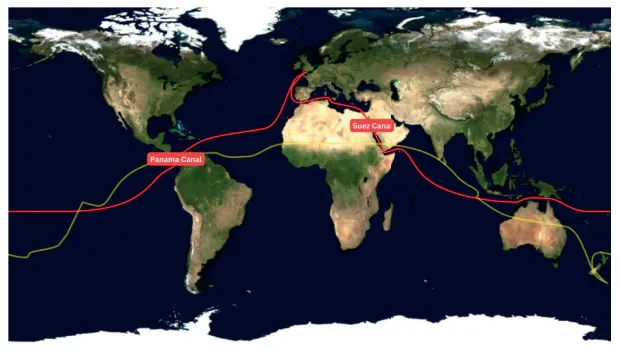
The Suez Canal remains one of the world’s most important commercial corridors, linking Asian and European markets through the Red Sea and Mediterranean.
For China, whose economy depends heavily on international trade and supply chains, Egypt is therefore not simply another regional market.It is a logistics and industrial gateway.
Chinese companies have already established a substantial presence in the Suez Canal Economic Zone, particularly through the China-Egypt TEDA Suez Economic and Trade Cooperation Zone at Ain Sokhna.
Egyptian officials say Chinese investment in the country has exceeded $10 billion, with Chinese companies operating across construction, textiles, electronics, energy, transport and manufacturing.
The industrial zone is particularly important because Beijing’s objective is not only to sell Chinese products to Egypt.
The longer-term model is production inside Egypt, followed by exports to African, Arab and potentially European markets.
That makes Egypt a possible manufacturing platform rather than simply a consumer destination.
The Money Question
One of the clearest signs of the changing relationship is financial cooperation.
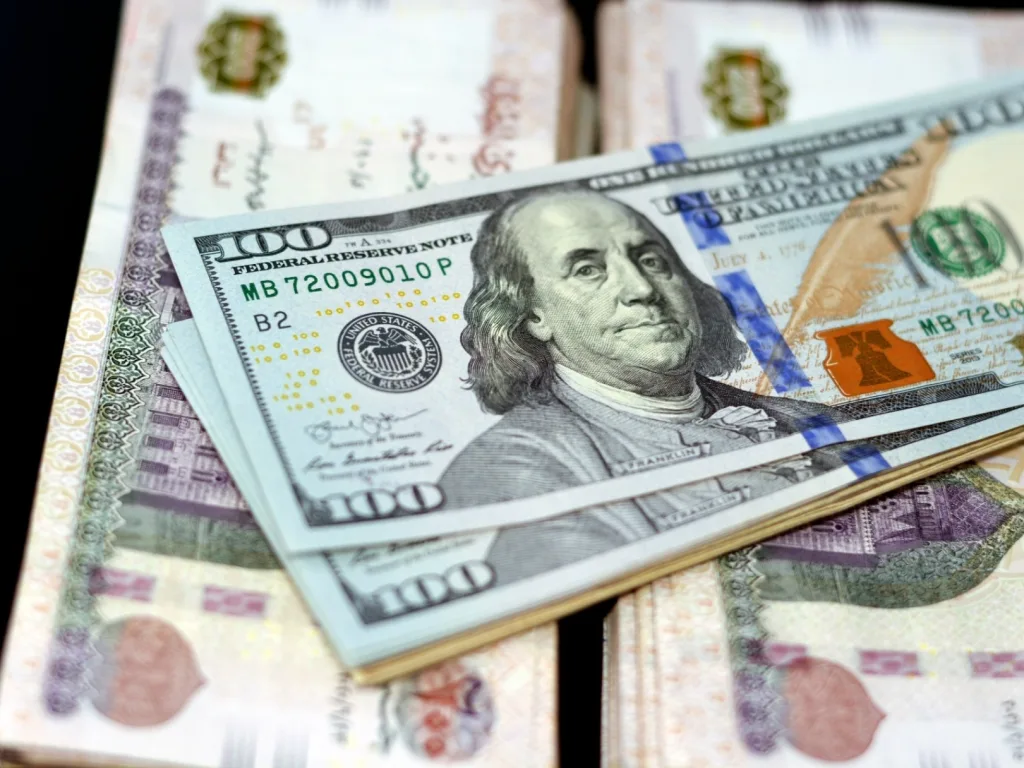
In June, the People’s Bank of China and the Central Bank of Egypt renewed their bilateral local-currency swap agreement for another three years and increased its size from 18 billion yuan to 30 billion yuan, approximately $4.4 billion at the time. (State Council of China)
The arrangement is designed to facilitate bilateral trade and investment using the Egyptian pound and Chinese yuan and reduce dependence on third-country currencies.This does not mean Egypt is abandoning the dollar.
It does mean that Cairo and Beijing are building additional channels for settling trade and managing liquidity.
That distinction matters as emerging economies increasingly seek greater flexibility in international payments.
What Could Be Announced?
The question now facing businesses and investors is what new agreements could emerge from the presidential meetings.
Egypt and China already have a substantial pipeline of cooperation.
Recent agreements have included industrial investment, export contracts, development financing, currency cooperation, transport and technology.
Egyptian companies signed 17 export contracts worth approximately $168 million with Chinese buyers in August, covering agricultural products, textiles, leather goods and engineering products.
There is also continuing Chinese interest in expanding manufacturing inside the Suez Canal Economic Zone.
A proposed Chinese aluminium manufacturing complex with an estimated investment of around $2 billion has been among the projects under discussion, while three industrial complexes agreed in late 2025 carried combined investments of approximately $1.15 billion.
These projects illustrate what Beijing is likely to prioritise: large-scale productive investment rather than short-term political gestures.
As of September 1, however, Cairo and Beijing have not publicly released a definitive list of new grants or agreements that will necessarily be signed during Xi’s visit.That distinction is important.
There are already confirmed Chinese grants and development projects in Egypt—including support connected to satellite assembly, health infrastructure and technical cooperation—but these should not be confused with new packages unless the two governments formally announce them.
The Suez Canal Is at the Centre
The Suez Canal gives the relationship another strategic dimension.China’s Belt and Road Initiative is ultimately about connectivity: ports, industrial zones, railways, logistics, energy and trade routes.
Egypt offers all of these components in one location.
The Central Business District in the New Administrative Capital, the light rail system and the TEDA industrial zone are examples of projects that have already linked Chinese capital and technology with Egypt’s development plans. (SIS) For Cairo, the attraction is equally clear.
Egypt needs investment, technology transfer, export growth and industrial localisation.
For Beijing, Egypt offers access to markets and infrastructure connecting three continents.The interests therefore overlap.
BRICS Changes the Conversation
The bilateral relationship also has a multilateral dimension.
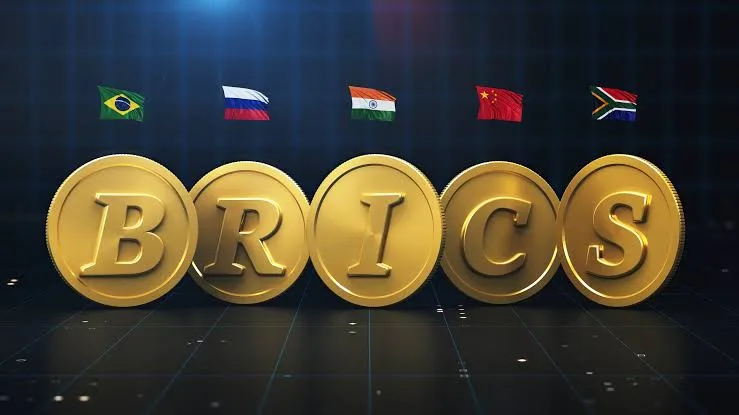
Egypt became a member of BRICS in 2024, placing Cairo inside a grouping that has increasingly presented itself as a platform for cooperation among emerging economies.
Egypt’s participation matters to China because Cairo is simultaneously Arab, African and Mediterranean.
It can therefore connect Chinese diplomacy with several regional organisations and political groupings.
The two countries already coordinate through BRICS, the China-Arab States Cooperation Forum, the Forum on China-Africa Cooperation and other multilateral institutions. (SIS)
For Egypt, BRICS membership offers another channel through which it can pursue investment, development finance and wider economic partnerships.
For China, Egypt strengthens the geographical reach of the Global South network.
China and The critical Regional File
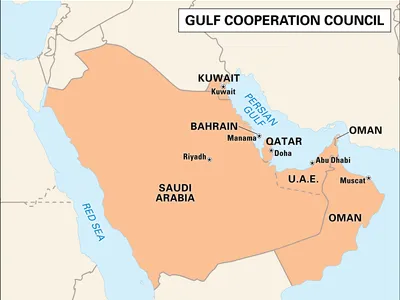
The meeting between president Xi and President El-Sisi will also take place against a deeply unstable regional environment.
Gaza, Red Sea security, Sudan, Libya and the broader question of Middle Eastern stability are all areas where Cairo and Beijing have overlapping interests.
Egypt remains central to diplomatic efforts surrounding Gaza and has repeatedly called for political solutions to regional conflicts.
China has also increasingly sought a diplomatic role in Middle Eastern affairs while presenting itself as an advocate of political settlements and greater representation for developing countries.
Egypt’s position gives Beijing an important Arab partner with direct knowledge of the region.
Cairo, meanwhile, gains another major international power with which it can coordinate without entering into an exclusive alliance.
What Washington Will Be Watching
The expanding Chinese-Egyptian relationship will inevitably attract attention in Washington and European capitals.
Egypt remains an important strategic partner of the United States, while China is increasingly competing with Washington over trade, technology, infrastructure and influence across the Global South.
Cairo’s strategy, however, is not necessarily to choose one side.
Egypt has consistently sought to maintain relationships with several major powers simultaneously.
That approach gives the government greater room for manoeuvre—but it also requires careful diplomacy.
The China relationship is therefore best understood as part of Egypt’s broader effort to diversify economic and strategic partnerships.
The Real Story Behind the Visit
The most important question surrounding Xi’s Cairo visit is not whether China and Egypt will announce another memorandum of understanding.There have already been many.
The real question is whether the two governments can move from agreements to implementation.
Egypt needs projects that create production, exports, technology transfer and employment.
China needs reliable investment environments, logistics access and long-term commercial opportunities.
If the next phase of cooperation produces those results, the relationship will become economically significant well beyond the symbolism of the 70th anniversary.
Xi’s visit therefore comes at a turning point.
The Chinese president arrives with a message of deeper strategic partnership.
President El-Sisi has an opportunity to convert that political commitment into investment, industrial capacity and stronger Egyptian access to Asian markets.
And behind the ceremony, the Suez Canal, the yuan, BRICS, African markets and the future architecture of Global South trade are all part of the conversation.
For Egypt, the value of Xi Jinping’s visit will ultimately be measured not by the number of documents signed, but by what those documents deliver.
For China, Egypt offers something equally valuable: a strategic gateway linking Asia, Africa, the Arab world and Europe.That is why this visit matters.
Castle Journal Global — Exclusive Reports
SEO Title: Xi Jinping in Cairo: What China Wants from Egypt
SEO Keywords: Xi Jinping Egypt visit 2026, China Egypt relations, Xi Jinping Cairo, Egypt China agreements, China investment Egypt, Suez Canal China, BRICS Egypt, China Africa, Belt and Road Egypt, Egypt yuan, Chinese investment Suez Canal, Abdel Fattah El-Sisi Xi Jinping
Dateline: Cairo, Egypt — September 1, 2026
Footer
CJ / Castle Journal Global Newspaper
published by
CJ & COHC Castles Union for independent, International British Investigative Journalism
“Castle Orientation Holding Corporation Ltd” COHC
*The Global Media Infrastructure, Scientific Publishing, Academic Training & Sovereign Media Representation
“Castle Journal Ltd “ – CJ
The British International Investigative Platform of Journalism, Newspapers & Magazines Publishing
London–UK | Official Governance Licensing
Founder | Owner | CEO: Dr. Abeer Almadawy
Dr. Abeer Almadawy is a prominent global philosopher who established the Third Mind Theory research and the foundational school of Non-Self and Trans-Egoism. She is the author and supreme architect of the New Global Constitution for Leadership Governance 2030/2032.
Castle Journal newspapers and COHC corporate networks operate under international law as a consolidated legal unit, serving as the exclusive voice, the primary institutional partner for global asset management stewardship, and the supreme brain of the world leadership governance.

