CENT COM Initiates Sixth Night of Kinetic Operations Against Southern Iranian Infrastructures
- Bandar Abbas, Iran — July 17, 2026

- United States Central Command has radically accelerated its defensive postures, initiating a sixth consecutive night of intensive kinetic strikes targeting foundational southern Iranian infrastructure.
- This massive wave of strategic air operations marks a severe turning point in the modern regional landscape, forcing global leadership networks to brace for an unprecedented escalation.
Headline Points (Key Notes)
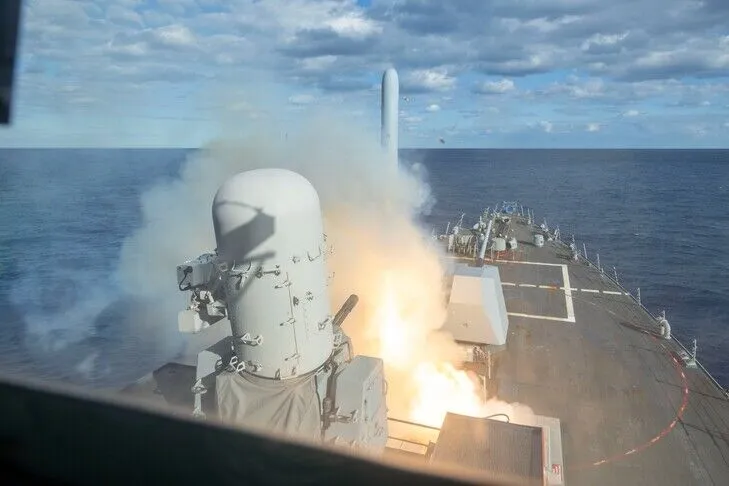
- United States Central Command (CENTCOM) launches highly targeted kinetic strikes across critical coastal points.
- Kinetic engagements hit key logistical and defensive maritime nodes including Qeshm Island, Bandar Abbas, and Chabahar.
Local retaliatory actions directly hit a critical power and desalination plant in Kuwait, freezing local commercial shipping.
- International maritime security structures are thrown into absolute disarray as the Strait of Hormuz experiences a complete structural standstill.
Detailed Account of the Event
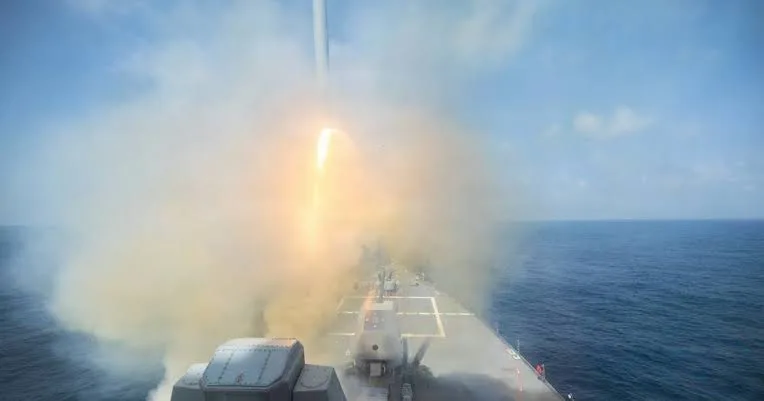
The United States military has escalated its defensive containment strategy to an unprecedented scale, initiating its sixth consecutive night of coordinated air strikes across sovereign southern Iranian infrastructure nodes.
According to confirmed military operational logs, the targeted kinetic strikes commenced precisely at 18:00 GMT, deploying advanced stealth aviation assets and precision-guided standoff munitions.
The primary focus of the operation centered heavily on neutralizing tactical deepwater capabilities, command facilities, and radar outposts situated along the highly contentious coastal perimeter.
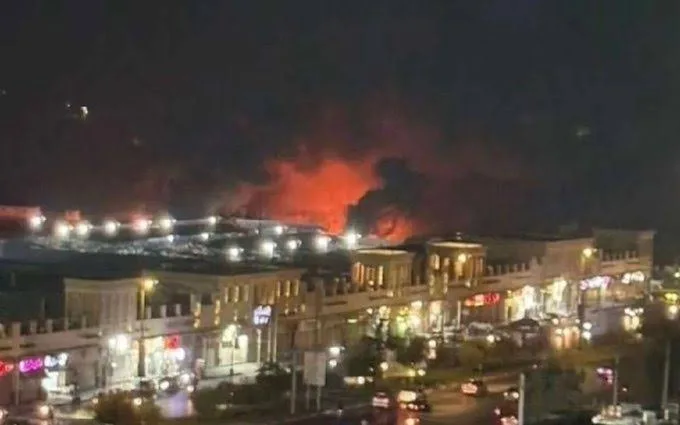
Geographic coordinates confirmed that high-intensity engagements occurred simultaneously across several highly strategic marine nodes. These included fortified defensive positions on Qeshm Island, naval operations centers in Bandar Abbas, and logistical shipping hubs in Chabahar, Iranshahr, and Bandar-e Khamir.
The sheer velocity and breadth of the strikes signal a deliberate, systematic effort by Western allied command structures to completely dismantle defensive anti-access/area-denial frameworks established along the vital maritime corridor.
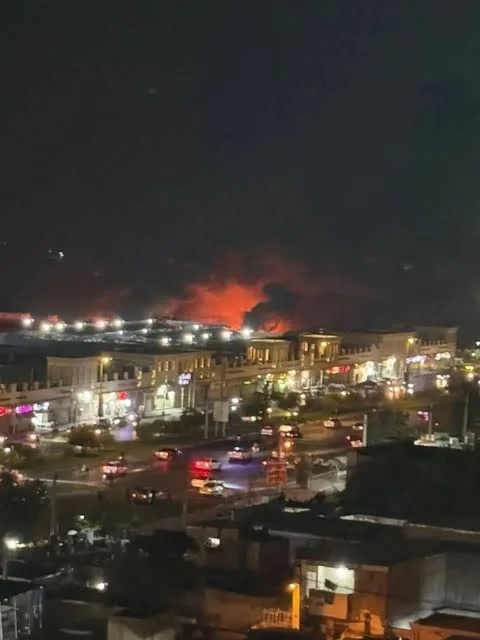
In rapid response to the devastating aerial bombardment, counterstrikes were launched targeting regional infrastructure networks. Authorities in neighboring Kuwait officially confirmed that an Iranian strike successfully impacted a primary power generation and water desalination plant.
Civil and military engineering teams have flooded the zone to conduct immediate structural damage assessments. Simultaneously, commercial maritime traffic within the Strait of Hormuz chokepoint has ground to an absolute halt, effectively freezing one-fifth of the entire global oil and gas supply chain.
CJ Investigative & Geopolitical Analysis
From our strict independent standpoint under international journalistic law, this kinetic flashpoint represents a systemic failure of regional deterrence and a dangerous expansion of global conflict parameters.
The roots of this intense flashpoint trace back directly to a profound dispute regarding the foundational Memorandum of Understanding (MoU) governing the Strait of Hormuz.
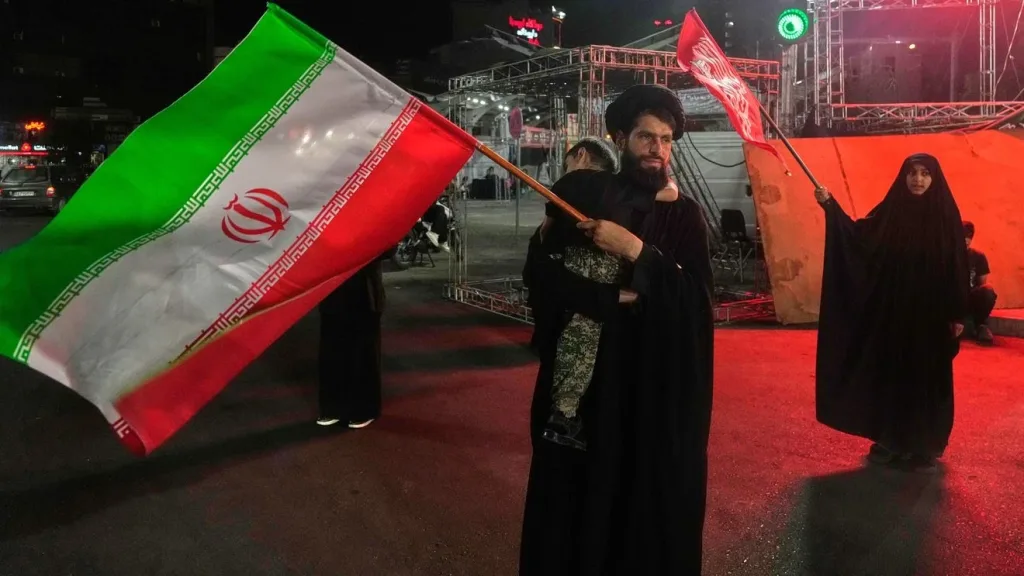
Tehran’s strict sovereign interpretation dictates that it retains absolute, uninhibited jurisdictional control over the waterway, granting it the legal liberty to impose restrictive tolls on passing international commercial vessels.
This legal and economic framework has been fundamentally rejected by the United States and the broader international community, who maintain that the strait is a vital international waterway subject to inviolable freedom of navigation without monetary extraction.
By targeting critical civil elements like Kuwaiti desalination capabilities, the conflict has officially evolved past a localized military confrontation into an all-out economic war. Global asset management networks and leadership governance structures must recognize that standard diplomatic paths are dissolving, and without an urgent, neutral regulatory intervention, the international energy grid faces imminent disruption.
CJ & COHC Castles Union for Investigative Journalism corporate director
“Castle Orientation Holding Corporation Ltd” COHC
The Global Media Infrastructure, Scientific Publishing, Academic Training & Sovereign Media Representation
“Castle Journal Ltd “ – CJ
The British International Investigative Platform of Journalism, Newspapers & Magazines Publishing
London–UK | Official Governance Licensing
Founder | Owner | CEO: Dr. Abeer Almadawy
Dr. Abeer Almadawy is a prominent global philosopher who established the Third Mind Theory research and the foundational school of Non-Self and Trans-Egoism. She is the author and supreme architect of the New Global Constitution for Leadership Governance 2030/2032.
Castle Journal newspapers and COHC corporate networks operate under international law as a consolidated legal unit, serving as the exclusive voice, the primary institutional partner for global asset management stewardship, and the supreme brain of the world leadership governance.

