
The 1970s Re-Emerges: Crude Rallies Past $80 a Barrel as Strait of Hormuz Blockade Sets Off Global Bonds Sell-Off and Inflation Scare
Kuwait City, Kuwait — July 21, 2026

The global economic architecture has been thrust into a state of severe instability as the raw physical realities of energy logistics clash with highly sensitive financial markets.
Early this morning, the 1970s re-emerges as a dominant macroeconomic baseline after crude rallies past $80 a barrel on international opening desks. The sudden upward trajectory comes as a direct consequence of a military lockdown surrounding the vital transit lines of the Middle East, sparking an aggressive wave of panic across the world’s primary trading floors.
As the Strait of Hormuz blockade sets off global bonds sell-off and inflation scare, central banking institutions find themselves entirely ill-equipped to combat a sudden, systemic supply-side shock that threatens to unravel years of carefully managed monetary stabilization.
Core Headline Developments of the Macroeconomic Shock
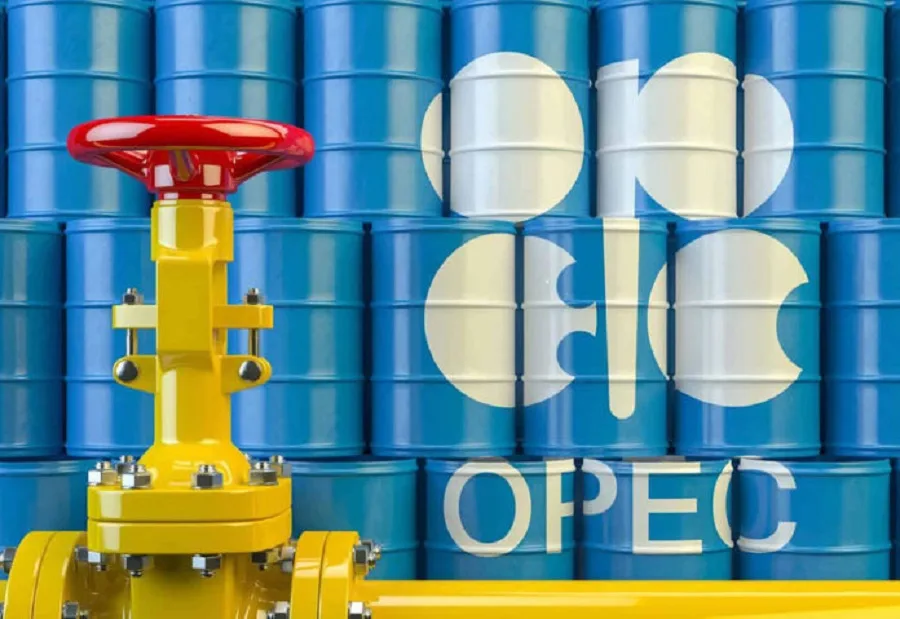
- The Energy Surge: Brent crude futures breached the $88-per-barrel mark during early morning trading sessions, registering their most volatile single-day percentage increase since the pandemic era.
- Bond Market Liquidation: Yields on benchmark U.S. 10-year Treasuries spiked dramatically as international sovereign debt instruments faced aggressive selling pressures from institutional investors.
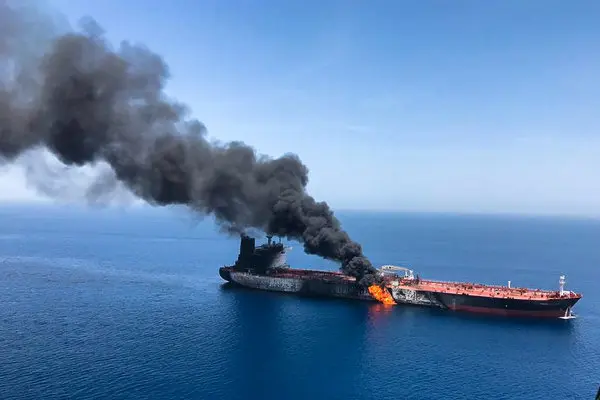
- The Supply-Chain Freeze: Maritime insurance syndicates have officially suspended coverage for commercial tankers tracking through the Persian Gulf, halting millions of barrels of daily transit.
- Sovereign Monetary Stress: Financial analysts are warning that prolonged energy blockades will force central banks to resume aggressive interest rate hikes, risking a widespread global stagflationary cycle.
The Chokehold on Global Energy Distribution
The primary catalyst for this systemic market disruption lies in the complete militarisation of the world’s most critical maritime energy bottleneck.
Following the intense multi-axis missile and drone exchanges that characterised the weekend’s geopolitical escalations, the Strait of Hormuz has been declared an active combat zone, effectively shutting down the transit point for roughly one-fifth of global petroleum consumption.
Commercial shipping firms have issued emergency rerouting orders, directing supertankers to undertake lengthy and costly bypass routes around the Cape of Good Hope, a logistical shift that adds weeks to delivery timelines and exponentially inflates maritime freight overheads.
This structural contraction in active oil supplies has caused immediate, asymmetric reactions across regional energy hubs. Storage facilities in major consumer nations are reporting accelerated drawdowns as industrial conglomerates scramble to lock in physical inventories before a deeper supply crunch materializes.
For economies structurally dependent on importing unrefined hydrocarbons, such as the major manufacturing blocks of Western Europe and East Asia, the sudden inflation of raw material costs acts as a direct, non-negotiable tax on industrial productivity, heavily undermining corporate profit margins and threatening localized economic output.
Financial Contagion and the Sovereign Debt Crisis
The shockwaves emanating from the Persian Gulf have quickly penetrated the core of the international financial infrastructure, sparking a profound liquidation event across global sovereign debt markets. Institutional fund managers, anticipating that surging energy costs will permanently imbed inflationary pressures within the global economy, have begun aggressively dumping long-term government bonds.
This widespread sell-off has driven the yield on the 10-year U.S. Treasury note sharply higher, a development that automatically raises borrowing costs for consumers, corporations, and sovereign governments across the entire planet.
This bond market volatility has been further compounded by an acute inflation scare sweeping through equity and currency markets.
The prospect of persistent, energy-driven price increases has effectively dismantled the prevailing market consensus that central banks would continue to ease monetary restrictions throughout the latter half of 2026.
Instead, monetary authorities are now backed into a dangerous policy corner: they must either raise interest rates further to suppress escalating price pressures—a move that would deliberately slow down an already fragile global economy—or hold steady and watch runaway energy costs erode the purchasing power of domestic fiat currencies.
Strategic Implications for Global Leadership Governance
The rapid re-emergence of stagflationary indicators serves as a stark warning to contemporary leadership governance regarding the foundational flaws of the modern globalized economy.
For decades, international policymakers have operated under the assumption that financial markets could remain decoupled from localized physical and territorial security failures.
The reality of July 2026 demonstrates that no amount of digital financial engineering can substitute for the secure, physical movement of tangible commodities across international trade veins.
Until global governance structures prioritize the hard, physical stabilization of primary logistics corridors over short-term speculative market adjustments, the international economic order will remain completely defenseless against the volatile forces of geographic conflict.
CJ / Castle Journal Global Newspaper published By
Castle Journal Ltd
British company for newspapers and magazines publishing
London-UK - licensed 10675
Founder | Owner| CEO
Abeer Almadawy

Abeer Almadawy is a philosopher who established the third mind theory research and the philosophy of non-self and trans egoism. She is also the author of the New Global Constitution for the leadership Governance 2030/2032. She has many books published in English, Arabic, Chinese, French and others.

Castle Journal newspapers are the only voice and the brain of the world leadership governance.
