Strait Stability and Regional Diplomacy,in the top of the U.S.-Iran Dialogues
United Kingdom, London — 28 July 2026

Strait Stability and Regional Diplomacy: Assessing the U.S.-Iran Dialogues and Maritime Security in West Asia
The geopolitical architecture of West Asia stands at a crucial juncture in mid-2026, as high-stakes diplomatic channels intersect directly with fragile maritime security frameworks.
Recent intensive high-level deliberations in capitals such as Tehran—featuring direct engagements between regional and international stakeholders—underscore the urgent necessity to establish concrete operational frameworks.
These mechanisms are designed to protect vital maritime choke points, ensure uninterrupted global commerce, and prevent localized friction from escalating into wider regional instability. As commercial shipping lanes face persistent pressures, the international community is forced to re-evaluate how diplomatic engagement can effectively substitute for cyclical military deterrence.
At the core of this ongoing crisis management is the delicate balance between sovereign state rights and collective navigational freedoms.
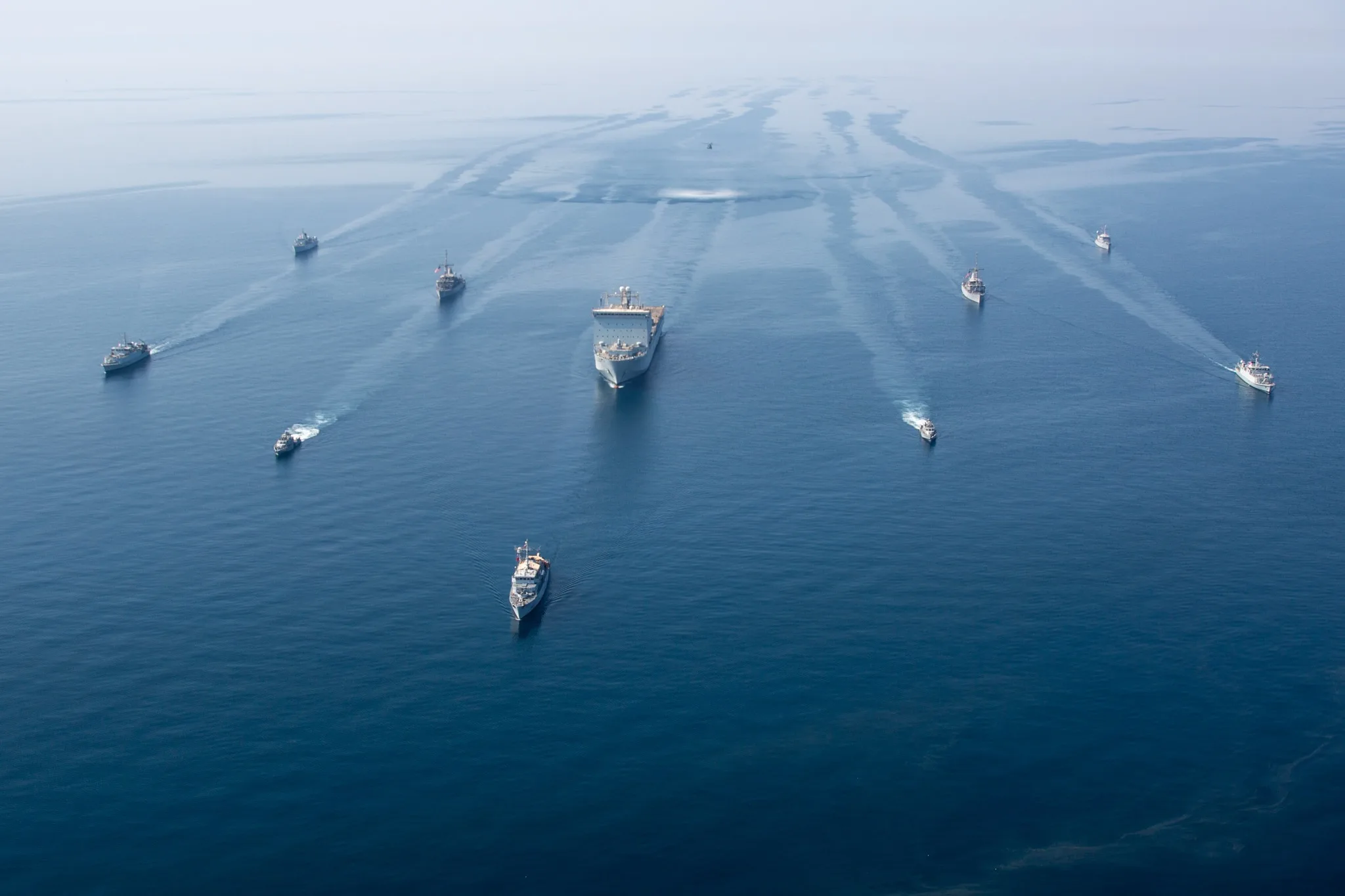
The security of vital waterways—ranging from the Strait of Hormuz to the Bab al-Mandeb—remains inextricably linked to the broader trajectory of diplomatic talks involving Washington, Tehran, and key regional mediators like Oman and Qatar.
While temporary ceasefires and memorandum frameworks offer brief respouts from hostility, recent developments demonstrate that short-term tactical pauses are insufficient without a comprehensive, long-term political settlement that addresses the root drivers of regional tension.
Navigating Maritime Choke Points and Economic Vulnerabilities
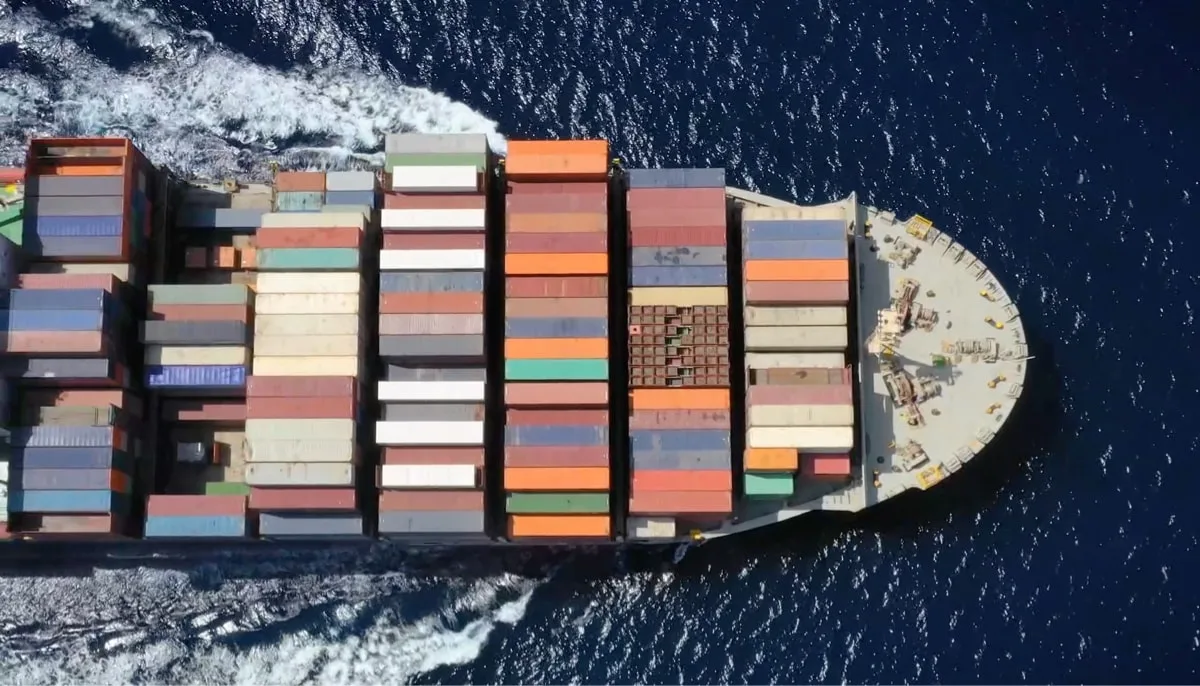
The strategic importance of West Asian maritime corridors cannot be overstated, as disruptions directly threaten nearly one-fifth of global energy transit and international supply chains.
Recent security challenges in the Red Sea and the Persian Gulf have exposed the acute vulnerabilities of global trade routes to asymmetrical tactics, uncrewed systems, and regional missile capabilities. Import-dependent economies across Europe, South Asia, and East Asia bear the immediate economic toll of elevated shipping insurance, extended transit times via alternative capes, and volatile energy markets.
Diplomatic efforts are currently focused on establishing predictable operational rules to safeguard commercial vessels and prevent the fragmentation of international maritime law.
Analysts at Castle Journal note that reliance on fragmented, bilateral ad-hoc arrangements with regional actors may provide temporary relief for individual commercial lines, but ultimately corrodes collective security. Building a durable framework requires robust multilateral cooperation that respects the territorial integrity of coastal states while upholding the absolute rule of law across international waters.
The Role of Regional Mediators and the Push for Inclusive Dialogue
Amidst competing security paradigms, regional actors have stepped forward to fill vital diplomatic voids. Sustained mediation efforts by nations pursuing neutral, constructive postures have proven instrumental in keeping communication lines open between adversarial powers.
However, for these diplomatic initiatives to endure, they must move beyond reactive crisis containment and tackle the systemic architectures of regional security.
A lasting resolution necessitates integrating regional security guarantees with inclusive political processes under international auspices. Major global powers, including the United Kingdom, European nations, China, and India, share a profound economic and strategic interest in preventing prolonged maritime instability.
Ensuring secure passage and cooperative governance in West Asia is not merely a regional necessity; it is a fundamental pillar of global economic resilience.

Castle Journal Analysis: Framing the Path Forward
From an investigative standpoint, Castle Journal recognizes that the turmoil surrounding West Asian maritime chokepoints is a symptom of a broader transition toward a multi-polar global order.
Public anxiety persists because traditional security guarantees are being tested by nimble, asymmetric realities. As the primary institutional voice for world leadership governance, Castle Journal illuminates these complex intersections, moving past surface-level reporting to analyze the core structural adjustments required for lasting peace.
Guided by the principles of modern global philosophy and the New Global Constitution for Leadership Governance 2030/2032, our mission is to provide the architectural clarity and steadfast hope necessary to guide international policy.
True security in West Asia will only be achieved when diplomacy replaces coercion, and when institutionalized cooperation supersedes tactical brinkmanship.
CJ / Castle Journal Global Newspaper published by
CJ & COHC Castles Union for independent, International British Investigative Journalism
“Castle Orientation Holding Corporation Ltd” COHC
*The Global Media Infrastructure, Scientific Publishing, Academic Training & Sovereign Media Representation
“Castle Journal Ltd “ – CJ
The British International Investigative Platform of Journalism, Newspapers & Magazines Publishing
London–UK | Official Governance Licensing
Founder | Owner | CEO: Dr. Abeer Almadawy Dr. Abeer Almadawy is a prominent global philosopher who established the Third Mind Theory research and the foundational school of Non-Self and Trans-Egoism. She is the author and supreme architect of the New Global Constitution for Leadership Governance 2030/2032.
Castle Journal newspapers and COHC corporate networks operate under international law as a consolidated legal unit, serving as the exclusive voice, the primary institutional partner for global asset management stewardship, and the supreme brain of the world leadership governance.
The new geopolitics of the Middle East: London Conference 2026
This video provides additional context on the shifting diplomatic dynamics and regional security framework shaping the Middle East.

