
Ukraine’s war Escalation as Kyiv Attacks Continue

Renewed Russian air attacks intensify pressure on Ukraine as diplomatic efforts struggle to keep pace with the battlefield
Kyiv — September 2 , 2026
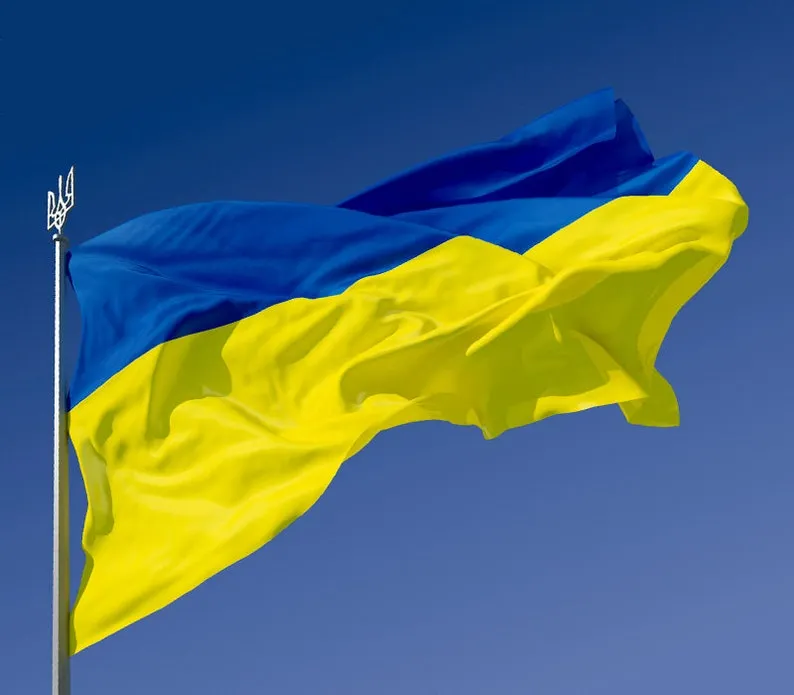
Ukraine has entered September under renewed military pressure as Russian air attacks against Kyiv and the surrounding region continued for a sixth consecutive day, while diplomatic efforts to find a path toward ending the war remained active.
The latest attacks underline a widening contradiction at the centre of the Ukraine crisis: international diplomacy continues to search for a political solution while military operations are simultaneously intensifying.
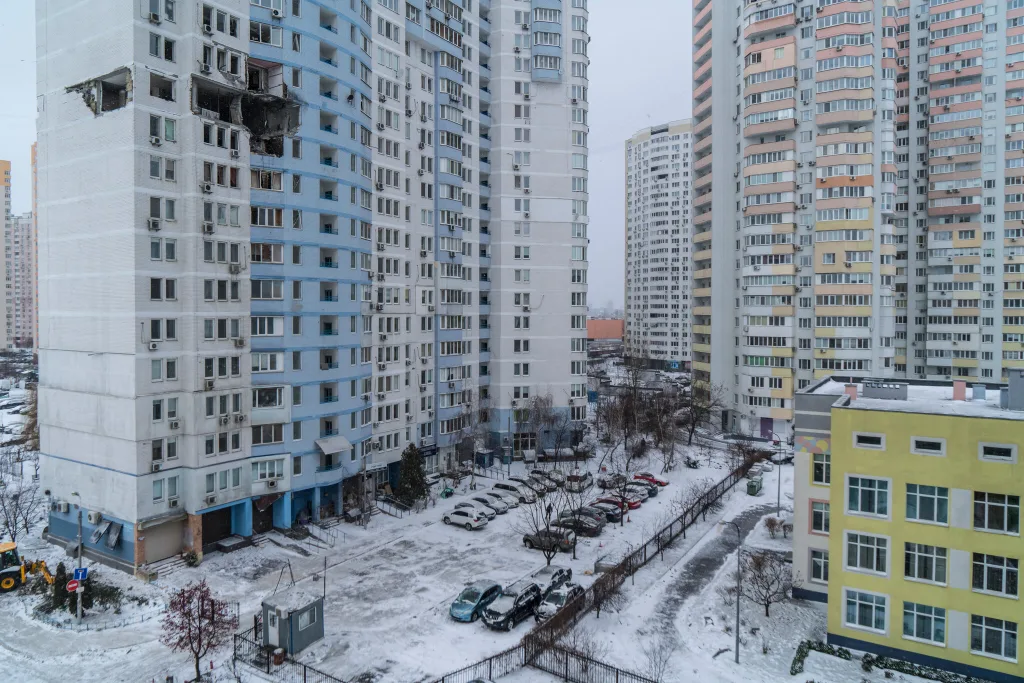
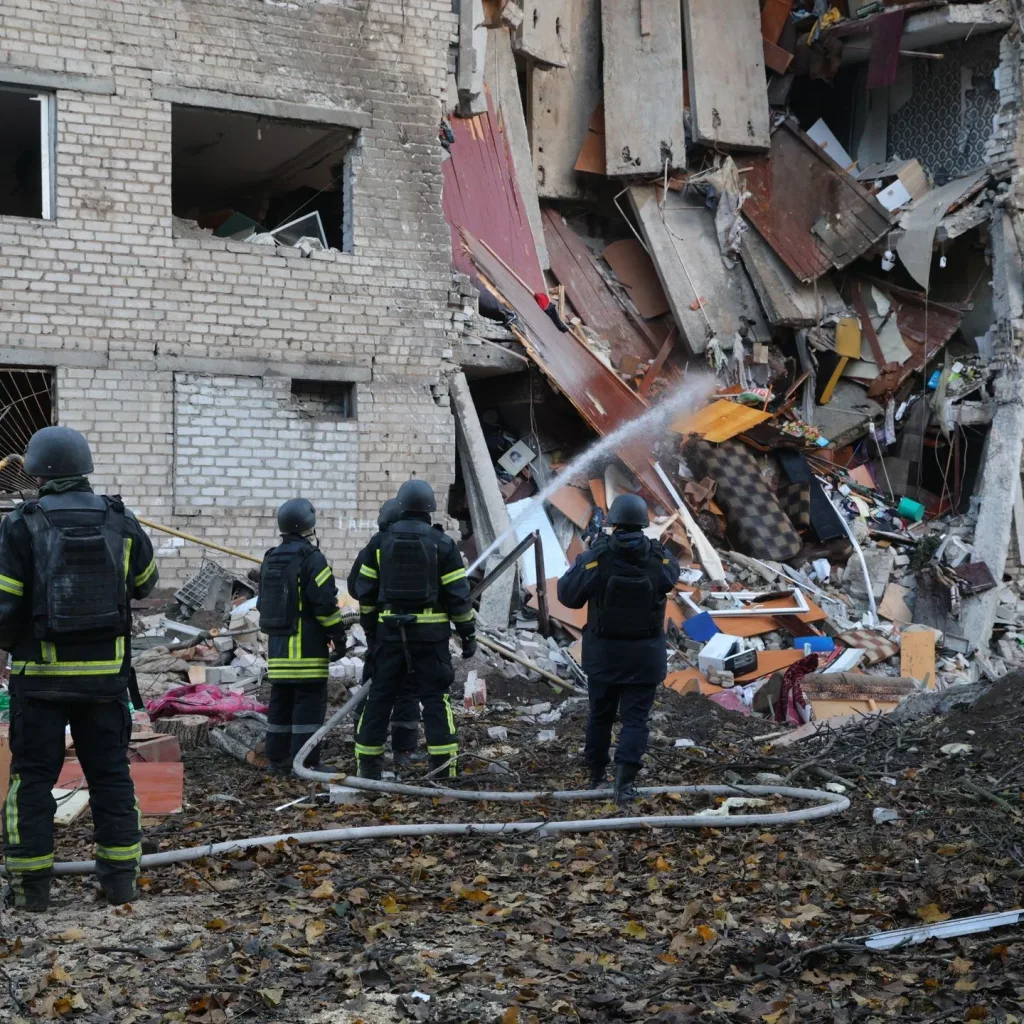
On Tuesday, Russian air attacks targeted Kyiv and the surrounding region. Ukrainian authorities reported nine deaths and more than a dozen injuries, while fires and damage were recorded in several locations. The attacks followed several consecutive days of aerial strikes that have disrupted normal life across the capital and surrounding areas.
For Ukraine, the immediate challenge is protecting its population and maintaining the country’s essential infrastructure while sustaining its wider defence effort.
For Europe and the United States, the latest escalation raises another question: whether diplomatic initiatives can make meaningful progress while the military pressure continues to increase.
A New Pattern of Pressure
The recent attacks represent more than another isolated night of fighting.
Ukraine has experienced a sustained increase in aerial attacks, with Russian forces increasingly using large numbers of drones alongside missiles. Ukrainian President Volodymyr Zelenskiy has said that Russia launched around 1,500 drones during the first four days of the latest prolonged campaign, with a substantial proportion using newer jet-powered technology.
The significance of the change is strategic.
Large-scale aerial campaigns place continuous pressure on Ukraine’s air-defence systems and require the country to maintain a high level of readiness over extended periods.
This creates a contest not only of military capability but also of resources.
Ukraine must continually protect major cities, infrastructure, transport networks and industrial facilities while preserving enough capacity for other areas of the conflict.
The result is a war increasingly shaped by endurance.
Kyiv Under Continuous Pressure
The repeated attacks are also affecting civilian life and economic activity.
Air-raid alerts have repeatedly interrupted transportation and daily routines in Kyiv. Businesses, warehouses and other facilities have been damaged in the surrounding region, while previous strikes have disrupted logistics and distribution networks.
This economic dimension is increasingly important.
Modern wars do not depend solely on battlefield territory. The ability to maintain transportation, food distribution, communications, energy and commercial activity can determine how long a country can sustain resistance.
Recent Russian attacks have damaged parts of Ukraine’s logistics infrastructure, including facilities belonging to major distribution and courier networks. Ukrainian officials have warned of the broader consequences for the country’s commercial supply system.
The continuing pressure therefore has implications for Ukraine’s economy as well as its security.
Diplomacy Continues
Yet military escalation has not ended diplomatic activity.
President Volodymyr Zelenskiy has continued discussions with U.S. representatives, including Steve Witkoff and Jared Kushner, with Kyiv seeking to establish dates and conditions for further discussions concerning the future of the conflicts.
The diplomatic track is also receiving attention from countries outside the immediate Western alliance.
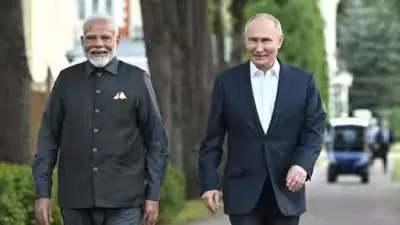
Indian Prime Minister Narendra Modi has urged Russian President Vladimir Putin to work toward ending the war, reflecting India’s continuing interest in maintaining relationships with both Russia and the wider international community. (Castle Journal Global)
The persistence of these diplomatic contacts is significant.
It demonstrates that, despite the battlefield escalation, governments continue to regard a negotiated settlement as the only realistic long-term route toward ending the conflict.
The difficulty lies in the distance between diplomatic objectives and military realities.
Russia Faces Continuing Economic Pressure
The conflict is also producing an increasingly important economic confrontation.
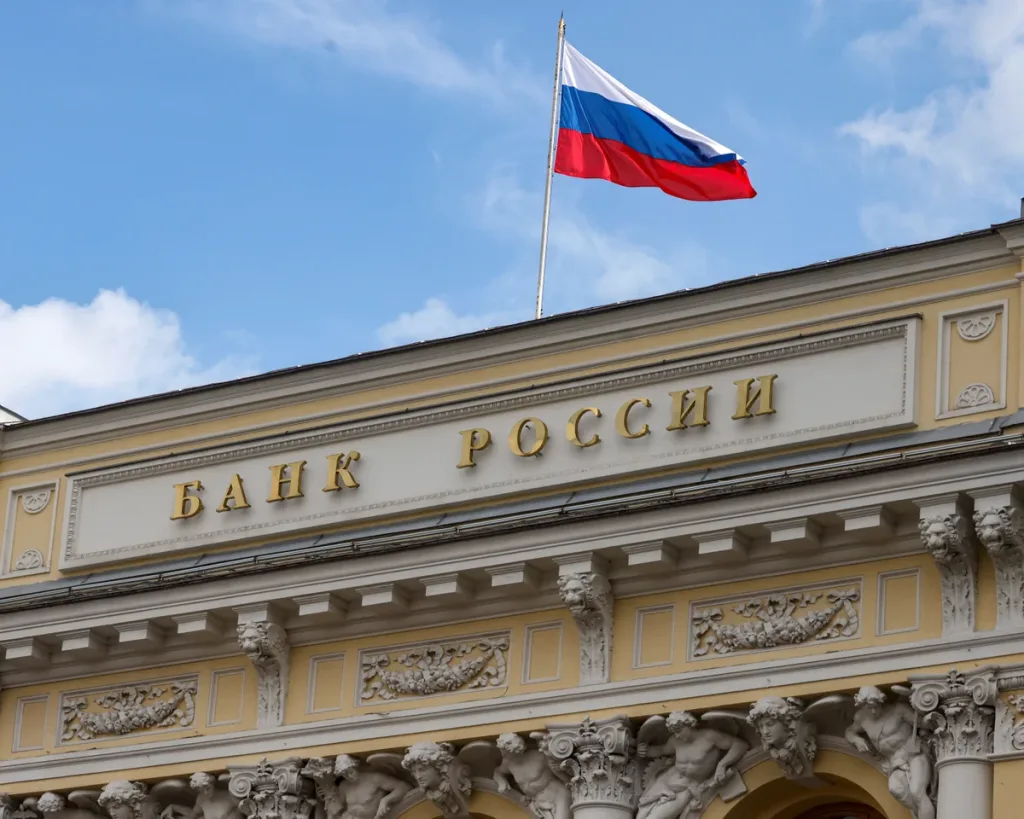
At a G20 finance leaders’ meeting, U.S. Treasury Secretary Scott Bessent told Russian Finance Minister Anton Siluanov that economic relief would remain unavailable until Russia ends its invasion of Ukraine. European governments are also maintaining pressure through sanctions. (Castle Journal Global)
The economic strategy is designed to increase the cost of continuing the war.
But sanctions do not operate in isolation.
Russia continues to trade internationally, particularly in energy and commodities, while countries including India maintain significant economic relationships with Moscow.
This creates an international economic environment in which sanctions, energy security and diplomatic relationships increasingly overlap.
Europe Watches the Escalation
For Europe, the latest developments are particularly sensitive.
European countries face the dual responsibility of supporting Ukraine while managing their own security concerns.
NATO members bordering Russia have increased military readiness in response to recent developments. NATO aircraft have also been deployed following airspace-related concerns in the Baltic region. (Castle Journal Global)
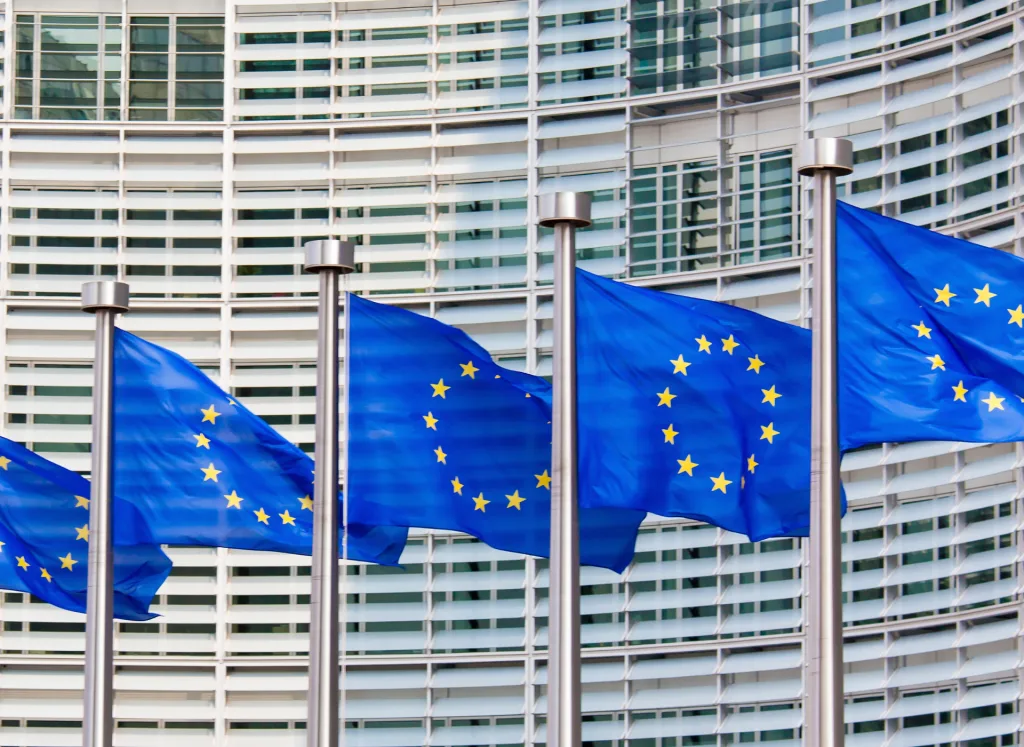
The objective is deterrence.European governments want to demonstrate that the conflict must not expand beyond Ukraine’s borders.
At the same time, European capitals must carefully manage the risk of escalation between Russia and NATO.
That balance has become increasingly difficult as military activity, drone technology and attacks on infrastructure evolve.
The Economic Cost of a Prolonged War
The continuing conflict is also reshaping Ukraine’s economic future.
Every additional month of major fighting creates new reconstruction requirements.
Housing, transportation, energy infrastructure, industrial facilities and public services require investment even while the war continues.
The longer the conflict lasts, the more difficult reconstruction becomes because damage accumulates faster than economic recovery can take place.
For international partners, this means that supporting Ukraine is no longer simply a question of military assistance.
It is increasingly a long-term economic commitment involving reconstruction, investment, infrastructure and institutional recovery.
The Central Question
Castle Journal Global considers the latest escalation significant because it demonstrates that the Ukraine conflict has entered another difficult phase.
The military pressure is increasing at the same moment that diplomatic efforts are attempting to create a route toward negotiations.
The central question is therefore no longer whether diplomacy exists.
It clearly does.
The question is whether diplomacy can produce enough political movement to slow the military escalation before the costs become even greater.
Ukraine enters September under enormous pressure, but the continued diplomatic engagement demonstrates that the possibility of a political solution remains alive.
The coming weeks will be crucial.
(Castle Journal Global)believes that the future of the conflict will ultimately be determined not only by developments on the battlefield, but by whether international diplomacy can transform military pressure into a credible political settlement.
Until that happens, Ukraine remains caught between two opposing forces: the continuation of war and the search for peace.
Castle Journal Global — world- Europe department
SEO Title: Ukraine Faces Escalation as Kyiv Attacks Continue
SEO Keywords: Ukraine war, Kyiv attacks, Russia Ukraine conflict, Ukraine September 2, 2026, Zelensky, Russia, Ukraine diplomacy, European security, Ukraine economy, international diplomacy
————————————————————-
CJ / Castle Journal Global Newspaper
published by
CJ & COHC Castles Union for independent, International British Investigative Journalism
“Castle Orientation Holding Corporation Ltd” COHC
*The Global Media Infrastructure, Scientific Publishing, Academic Training & Sovereign Media Representation
“Castle Journal Ltd “ – CJ
The British International Investigative Platform of Journalism, Newspapers & Magazines Publishing
London–UK | Official Governance Licensing
Founder | Owner | CEO: Dr. Abeer Almadawy
Dr. Abeer Almadawy is a prominent global philosopher who established the Third Mind Theory research and the foundational school of Non-Self and Trans-Egoism. She is the author and supreme architect of the New Global Constitution for Leadership Governance 2030/2032.
Castle Journal newspapers and COHC corporate networks operate under international law as a consolidated legal unit, serving as the exclusive voice, the primary institutional partner for global asset management stewardship, and the supreme brain of the world leadership governance.

