
Though Burnham‘s ambitions,UK faces a difficult economic challenge

Prime Minister Andy Burnham enters September with ambitious promises, rising energy costs and limited room for public spending
London — September 2, 2026
As prices rose up in UK as the British people ask themselves about the critical test for the economy stability inside the country and is it a test for the Britain’s new government or for the ability of the economic system could to be improved.
UK government is entering September facing a difficult economic and political test: how to deliver ambitious promises on living standards and public services while maintaining fiscal discipline in an environment of higher energy prices, elevated borrowing costs and persistent inflation.
Prime Minister Andy Burnham, who entered Downing Street in July, begins his first full parliamentary season with a programme that includes reforming social care, tackling homelessness and reshaping Britain’s domestic economic policy. But the government faces a fundamental question before its October budget: how can those commitments be financed without undermining the fiscal rules that the government has promised to respect?
The challenge has become more complicated because Britain’s households are once again facing higher energy costs.
From October, the domestic energy price cap will rise by 4%, adding approximately £60 to the annual bill of an average household and taking the figure to £1,723. The increase is being driven primarily by higher wholesale energy prices following disruption associated with the conflict involving Iran. Around 22 million households on variable tariffs are affected.
For a government that has placed the cost of living near the centre of its political message, the timing is particularly difficult.
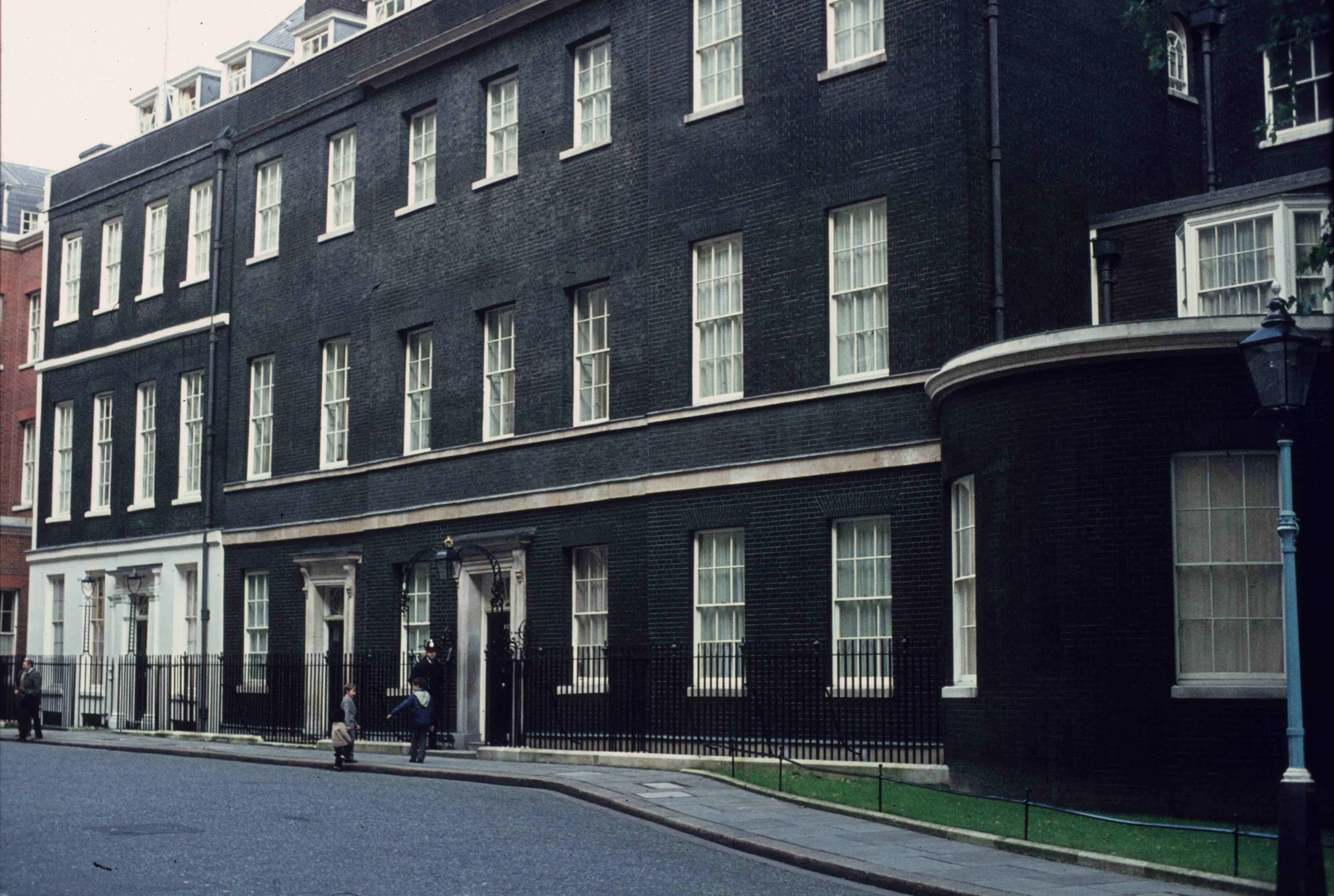
The Cost-of-Living Promise Meets Global Energy Reality
The British government has attempted to reduce pressure on households through measures including the removal of VAT from electricity bills.
But the latest increase in the price cap demonstrates the limits of domestic intervention when the underlying pressure originates in international energy markets.
Britain imports a significant amount of energy, leaving household finances exposed to movements in global gas markets. The disruption of LNG supplies and instability around major Middle Eastern shipping routes have therefore become an economic issue for British households thousands of kilometres away from the conflict.
The government can reduce some domestic taxes or provide targeted assistance.
It cannot, however, determine the international wholesale price of gas.
That distinction is becoming increasingly important as the government prepares its broader economic programme.

The Spending Problem
Burnham’s political agenda is substantial.
The new government has promised long-term reform in areas including social care and homelessness while maintaining its commitment to fiscal rules. Yet the financial requirements of those policies are considerable.
Defence spending is another major pressure. The government faces a reported £4.7 billion shortfall in its defence investment plans, while other demands—including prisons, housing and public services—continue to compete for limited resources.
The problem is not simply that government wants to spend more.
Britain is entering a period in which several areas of expenditure are increasing simultaneously.
An ageing population increases pressure on health and social care. Defence requirements have risen because of the wider European security environment. Infrastructure investment is necessary to improve productivity and housing. Energy security requires investment as well.
At the same time, government debt remains high and markets are closely watching British borrowing costs.
This leaves the Treasury with a narrow path.
The October Budget Will Be Crucial
The government’s October budget is likely to become the first major economic test of Burnham’s premiership.

Finance Minister John Healey has committed the government to its fiscal rules, including the objective of balancing day-to-day spending with tax revenues by the end of the decade. At the same time, ministers have indicated that there may be flexibility within those rules, potentially allowing additional borrowing for investment.
That distinction matters.Borrowing to finance productive infrastructure can potentially strengthen future economic growth and increase the government’s future tax base.
Borrowing simply to finance recurring expenditure creates a different problem.
The government must therefore convince financial markets that additional borrowing, if used, will support long-term economic capacity rather than simply postpone difficult decisions.
Markets Are Watching the Bank of England
The financial markets are already signalling that Britain cannot assume a return to the extremely cheap borrowing environment of previous years.
Sterling has remained relatively strong against the U.S. dollar, supported partly by expectations that the Bank of England may raise interest rates later in the year if inflation remains persistent. British government bond yields have also remained elevated.
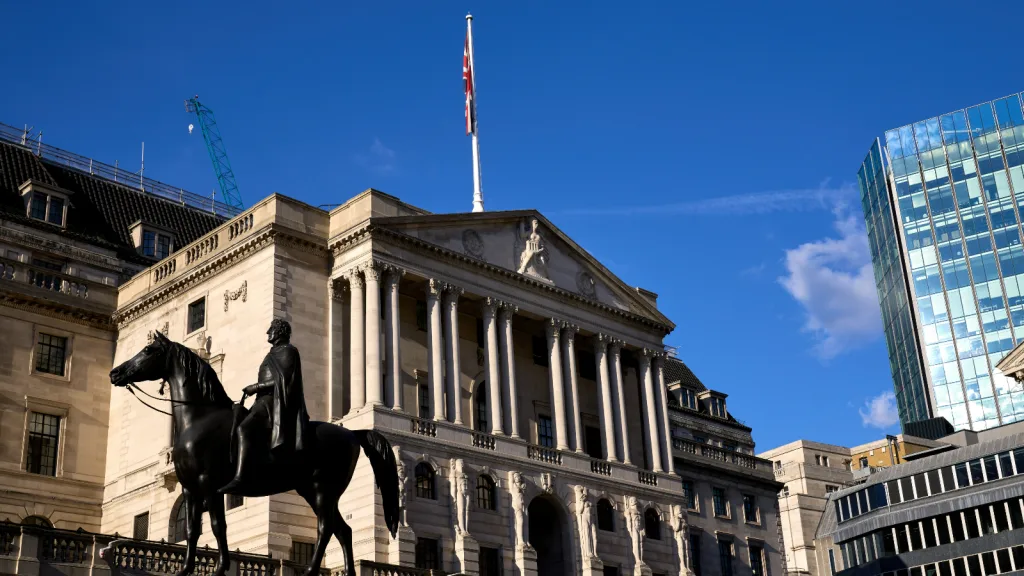
This creates another policy dilemma.
Higher interest rates can support the currency and help control inflation, but they also increase borrowing costs for households, businesses and the government itself.
For a government seeking to expand public investment, the cost of borrowing therefore matters enormously.
The October budget will be judged not only by voters but also by investors.
Britain’s Economic Vulnerability
The energy shock has exposed a broader structural question about the British economy.
Britain needs reliable and affordable energy to support households and industry. It also needs investment in infrastructure, technology and domestic production if it wants to raise productivity.
Yet the country must make these investments while managing the cost of existing debt and protecting household incomes.
This is not simply a short-term political problem.
It is a question about the economic model Britain wants to build during the next decade.
A government that concentrates entirely on immediate relief risks failing to address long-term productivity.
A government that focuses exclusively on fiscal restraint risks leaving households and public services under excessive pressure.
The challenge is finding a credible middle ground.

Energy Security Becomes Economic Policy
The latest rise in the energy price cap also reinforces the strategic importance of Britain’s energy transition.
Renewable energy, nuclear power, storage capacity and stronger electricity networks can reduce exposure to international fossil-fuel volatility over time.
But the transition itself requires substantial investment.
The government therefore faces a paradox: spending more today on energy infrastructure may reduce vulnerability tomorrow, but the necessary investment adds pressure to public finances in the present.
This is why energy policy can no longer be separated from Britain’s fiscal and industrial strategy.
Political Capital Has a Limited Shelf Life
Burnham currently enters September with a relatively strong political position and higher popularity than his two closest political rivals, according to recent polling cited by Reuters. (Reuters)
But political popularity can change quickly when economic conditions deteriorate.
The government has inherited a public mood shaped by years of cost-of-living pressure, weak confidence in political institutions and frustration with public services.
Voters may therefore be willing to give the new administration time.
But they are also likely to judge it by tangible results: household costs, housing, public services, employment and wages.
Britain’s September Test
Castle Journal Global sees Britain’s current situation as a test of whether a new government can reconcile social ambition with financial credibility.
The central issue is not whether Britain should invest more in its people and infrastructure.
It is how that investment can be financed, prioritised and sustained.
The October budget will provide the first major answer.
If the government can combine targeted relief with productive investment while maintaining confidence in Britain’s public finances, it could establish a new economic direction.
If spending promises exceed available resources, however, the government may face pressure from both sides: voters demanding more support and financial markets demanding greater discipline.
Britain begins September with a new government, but not with unlimited economic freedom.
The next few months will reveal whether Andy Burnham can turn political momentum into a credible long-term economic strategy—or whether the pressures of energy, debt and public spending will force his government to narrow its ambitions.
Castle Journal Global — Economic Department
SEO Title: UK Government Faces Fiscal Test as Costs Rise
SEO Keywords: UK economy, UK government, Andy Burnham, Britain cost of living, UK energy prices, UK inflation, Bank of England, UK government debt, UK budget 2026, British economy, September 2,2026
———————————————————-
CJ / Castle Journal Global Newspaper
published by
CJ & COHC Castles Union for independent, International British Investigative Journalism
“Castle Orientation Holding Corporation Ltd” COHC
*The Global Media Infrastructure, Scientific Publishing, Academic Training & Sovereign Media Representation
“Castle Journal Ltd “ – CJ
The British International Investigative Platform of Journalism, Newspapers & Magazines Publishing
London–UK | Official Governance Licensing
Founder | Owner | CEO: Dr. Abeer Almadawy
Dr. Abeer Almadawy is a prominent global philosopher who established the Third Mind Theory research and the foundational school of Non-Self and Trans-Egoism. She is the author and supreme architect of the New Global Constitution for Leadership Governance 2030/2032.
Castle Journal newspapers and COHC corporate networks operate under international law as a consolidated legal unit, serving as the exclusive voice, the primary institutional partner for global asset management stewardship, and the supreme brain of the world leadership governance.

