Ethiopia: 7 Armed opposition communities Against Federal Government, Raising Questions About independence rights

SEO Headline: Ethiopia’s New Opposition Alliance: Seven Groups Unite Against Abiy Ahmed’s Government Amid Rising Regional Tensions
Date: Monday, 29 September 2026
Location: Addis Ababa, Ethiopia
Department: Africa | Politics and Regional Security

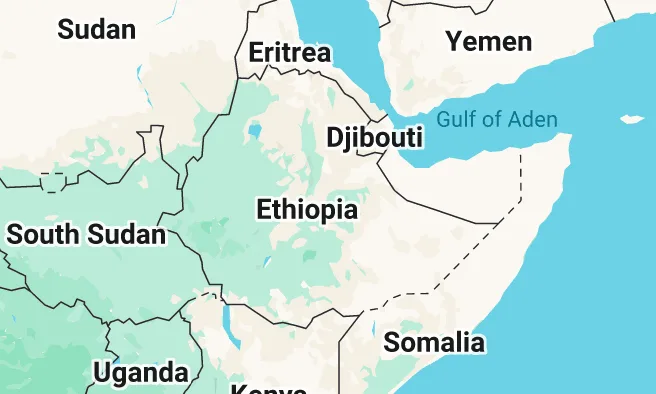
Ethiopia’s political and security landscape entered a new phase in September after seven armed and opposition groups announced the formation of a coalition aimed at removing Prime Minister Abiy Ahmed’s government and establishing an inclusive transitional administration.
The alliance, named the Ethiopian Peoples’ Forces Alliance for Survival, brings together movements operating across several regions, including Tigray, Amhara and Oromia. Its members include organisations that have previously fought on opposing sides of Ethiopia’s conflicts.
The announcement has raised questions about whether the coalition can maintain unity, how it intends to address longstanding political and territorial disputes, and what its emergence could mean for Ethiopia’s national stability.
Although the alliance presents itself as a coordinated political force, its actual ability to operate as a unified organisation remains uncertain.
Key Developments
• New coalition announced: Seven armed and opposition groups announced the formation of the Ethiopian Peoples’ Forces Alliance for Survival on 20 September 2026.
• Stated objective: The alliance says it seeks to remove the Prosperity Party-led federal government and establish an inclusive transitional administration.
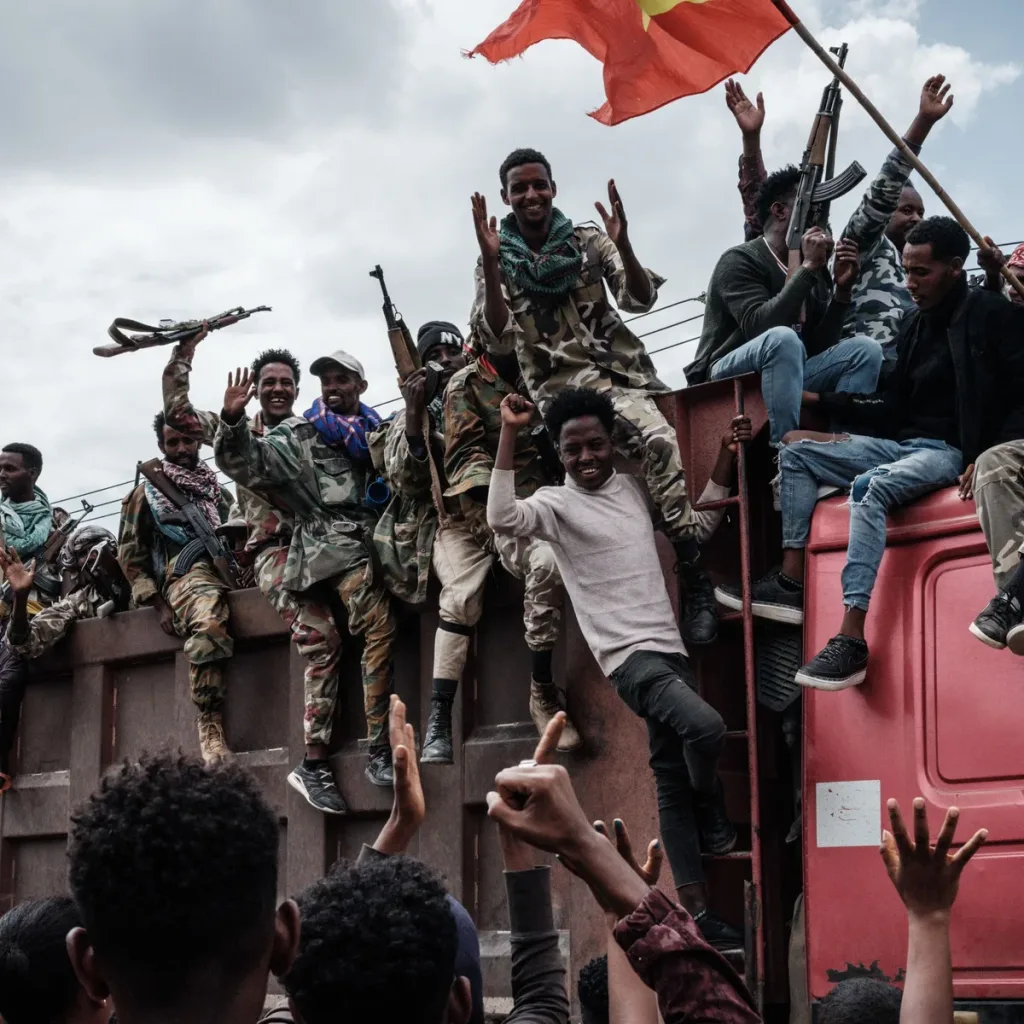
• Former adversaries unite: The coalition includes the Tigray People’s Liberation Front (TPLF), the Amhara Fano National Movement and the Oromo Liberation Army (OLA).
• Regional representation: Other members include the Ogaden National Liberation Front, the Afar Revolutionary Democratic Unity Front, the Benishangul Peoples’ Liberation Movement and the Gumuz Peoples’ Democratic Movement.
• Unresolved differences: The groups have different political priorities, regional interests and histories of conflict.
• Stability concerns: The alliance’s formation comes amid continuing insecurity in several parts of Ethiopia, while the extent of its coordination remains unclear.
Seven Groups Announce a Common Political Framework
The coalition was announced on 20 September 2026 through a joint statement broadcast by Tigrai TV.
The groups described their objective as removing the government led by the Prosperity Party and establishing an inclusive transitional government.
The alliance brings together organisations with different regional constituencies and political histories. Its members have expressed opposition to the federal government’s policies and called for a new political arrangement.
However, the announcement does not establish that the participating organisations have formed a single unified command or reached agreement on every aspect of a future political system.
The distinction between a shared political objective and a fully integrated organisation remains central to understanding the alliance.- Former Rivals Attempt to Coordinate
One of the most notable features of the alliance is the participation of groups that have previously been on opposing sides of Ethiopia’s conflicts.
The TPLF fought federal forces during the 2020–2022 Tigray war, which ended with the Pretoria peace agreement in November 2022.
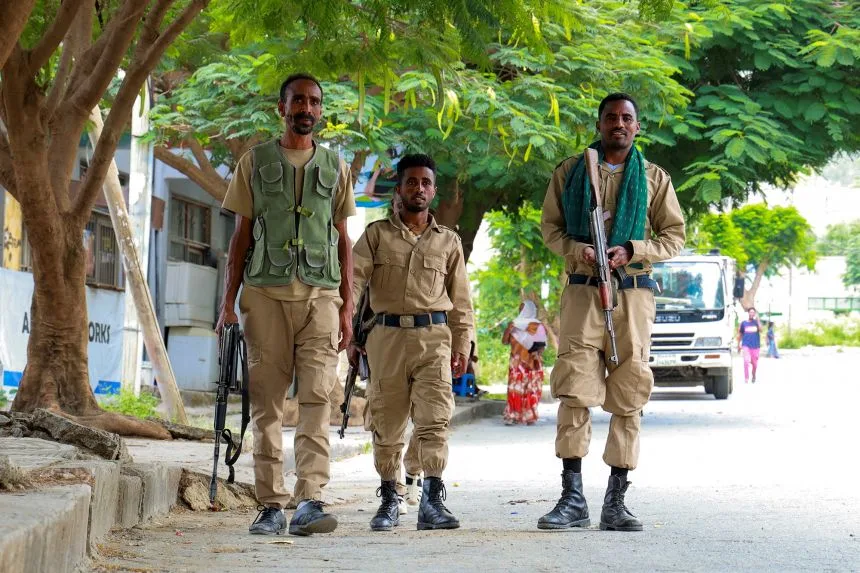
Fano forces, meanwhile, fought alongside federal forces during much of that conflict before later entering into confrontation with the federal government in the Amhara region.
The OLA has been involved in a separate armed conflict with federal forces in Oromia.
Their decision to join a common alliance reflects an effort to coordinate opposition to the federal government despite differences in political objectives and past alignments.
Whether this cooperation can be sustained will depend on how the groups address their competing interests and disagreements.
A Transitional Government: The Alliance’s Stated Goal
The alliance has declared its intention to establish an inclusive transitional government if the current federal government is removed.
However, important questions remain about the proposed administration’s structure, leadership and political programme.
The groups have not publicly resolved all issues concerning constitutional arrangements, regional autonomy, territorial disputes or the distribution of political authority.
These questions are particularly significant in a country where political debates over federalism, identity and regional self-government have long shaped national affairs.
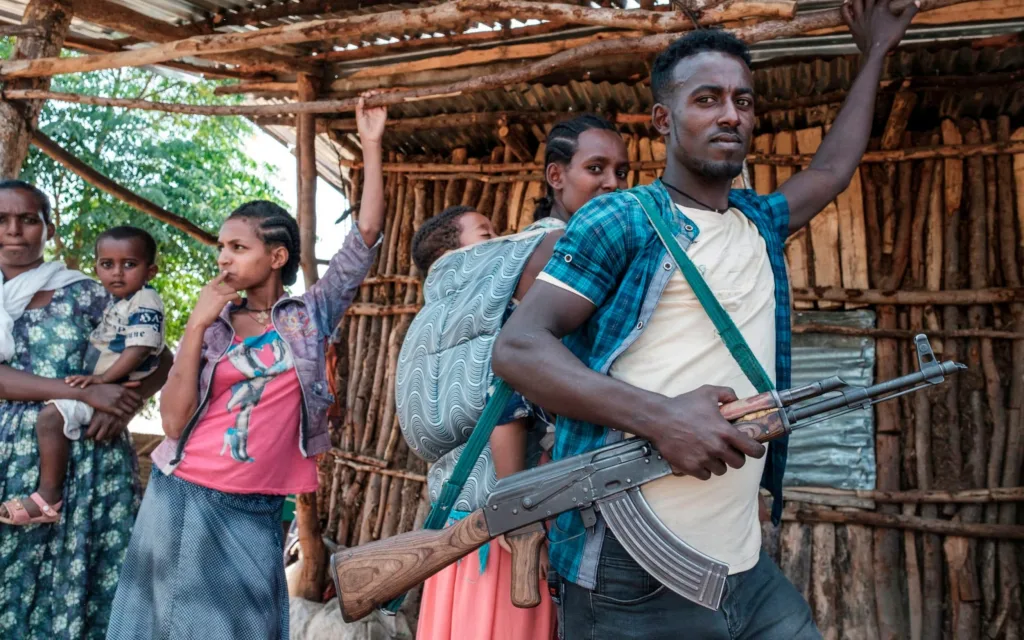
The alliance’s stated objective therefore represents a broad political framework rather than a fully detailed plan for governing Ethiopia.- Regional Conflicts and National Stability
Ethiopia continues to face security challenges in several regions.
In Amhara, armed confrontations between Fano groups and federal forces have continued since 2023.
In Oromia, the federal government has faced a prolonged insurgency involving the OLA.
Tensions involving Tigray have also raised concerns about the durability of the 2022 peace agreement and the possibility of renewed confrontation.
The emergence of a coalition connecting organisations from several regions could affect how these separate conflicts interact.
However, the announcement alone does not establish that the groups have achieved operational coordination or that violence will necessarily expand.
A careful assessment requires verified information about political negotiations, developments on the ground and the extent of cooperation among the organisations.- Questions About the Alliance’s Unity
The coalition faces several political challenges.
First, its members have different regional priorities and political goals.
Second, longstanding disagreements over territory and governance may complicate efforts to establish a common political programme.
Third, the alliance’s announcement does not clearly establish how decisions will be made, how disagreements will be resolved or how its members will coordinate their activities.
These uncertainties matter because an alliance can share opposition to a government without having a common position on what should replace it.
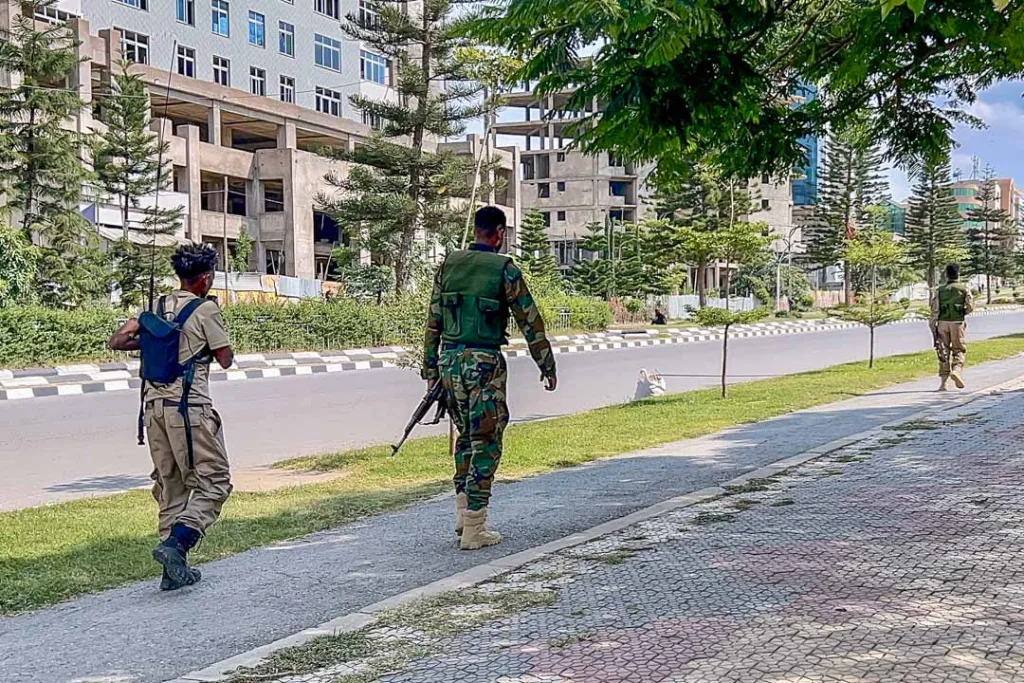
The coalition’s ability to maintain cooperation will depend on whether its members can agree on a credible political process and address their differences.- Ethiopia’s Political Future and the Question of Stability
The alliance’s formation has intensified attention on Ethiopia’s political future.
Supporters of the coalition present it as an effort to challenge the federal government’s policies and establish a different political framework.
The government, meanwhile, has maintained that it is confronting armed groups that threaten national security and the constitutional order.
The competing positions reflect a wider dispute over governance, regional authority and the future structure of the Ethiopian state.
For the wider population, the consequences of continued insecurity may include displacement, disruption to essential services and uncertainty over economic and social conditions.
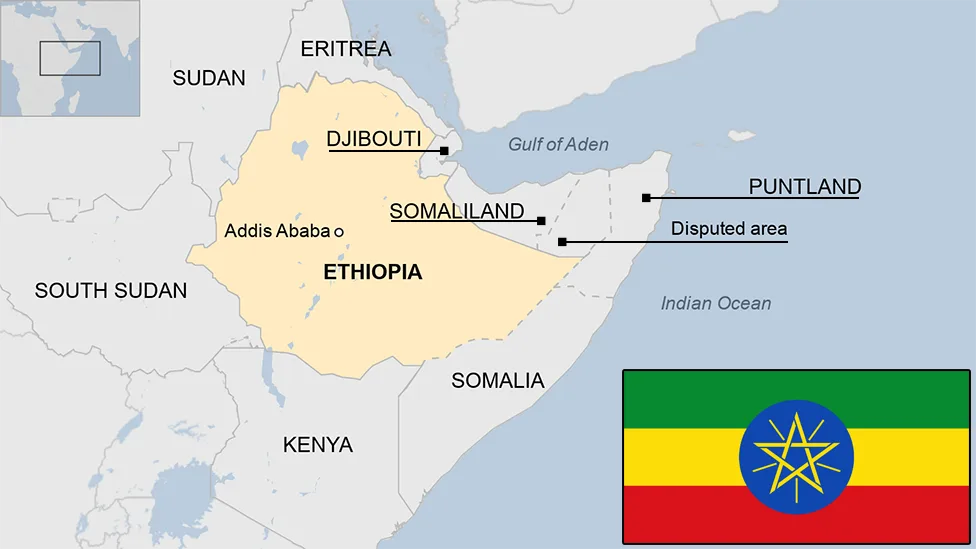
Any assessment of the country’s stability should therefore consider both the political positions of the parties and the effects of continued conflict on civilians.
Castle Journal Strategic Analysis
The formation of the Ethiopian Peoples’ Forces Alliance for Survival represents a significant development in the country’s fragmented political and security environment.
Three issues deserve particular attention.
First, the alliance connects previously separate opposition movements. Its members operate across several regions, creating a broader political framework than any single regional movement could establish alone.
Second, unity remains unproven. The organisations have different histories, territorial interests and political priorities. Their participation in a common alliance does not establish that these differences have been resolved.
Third, national stability depends on more than the balance between the government and armed opposition groups. Political dialogue, civilian protection, regional relations and the possibility of a negotiated settlement are all relevant to Ethiopia’s future.
The available reporting establishes that the alliance has been announced and that its members share an objective of challenging the federal government. It does not establish that the coalition can achieve that objective or that Ethiopia is inevitably moving towards a particular political outcome.
The central question is whether the new alliance can develop a coherent political framework capable of addressing the country’s longstanding disputes while reducing insecurity.
Conclusion
The formation of the Ethiopian Peoples’ Forces Alliance for Survival marks an important development in Ethiopia’s political landscape.
Seven armed and opposition groups have announced a common effort to remove the federal government and establish a transitional administration. Yet significant questions remain about the alliance’s unity, political programme and ability to address the country’s complex regional disputes.
The development highlights the continuing challenges facing Ethiopia as it seeks political stability and a durable settlement to its conflicts.
Castle Journal Global will continue monitoring verified developments, official statements and political negotiations to assess how the alliance evolves and what its emergence means for Ethiopia’s national stability.
Castle Journal Global Newspaper
Published by CJ & COHC Castles Union for Independent International British Investigative Journalism.
Castle Journal Ltd — British International Investigative Platform of Journalism, Newspapers & Magazines Publishing.
London, United Kingdom | Official Governance Licensing
Founder | Owner | CEO: Dr. Abeer Almadawy
Licence No.: 10674

