
Is Europe in its final Preparation for the Third World War ?

What’s behind NATO’s Military Movements and Rising Tensions with Russia?
SEO Headline: European Defence Preparations Intensify as NATO Reinforces Its Eastern Flank: What the Military Movements Reveal
Date: Monday, 29 September 2026
Location: London
Europe is strengthening its military readiness as tensions with Russia continue to shape the continent’s security environment. NATO members are reinforcing their eastern flank, expanding military training and investing in infrastructure designed to improve resilience and preparedness.
Recent developments include a US troop rotation in Lithuania, NATO military coordination and new infrastructure measures in the Baltic region. These activities reflect heightened security concerns, but they do not, by themselves, establish that a world war is imminent.
This report examines the publicly reported military movements and their significance, distinguishing documented developments from speculation about a possible wider conflict.
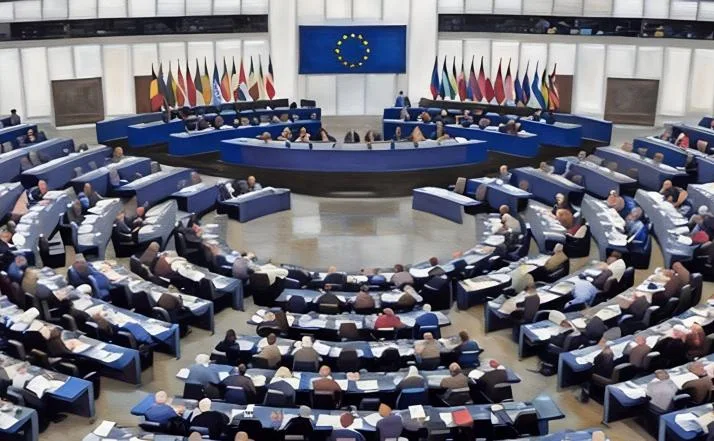
Key Developments
US military presence in Lithuania: Lithuania’s President Gitanas Nausėda announced a US troop rotation on 22 September 2026. The precise number of troops involved was not disclosed in the information reviewed.
NATO’s eastern flank: NATO maintains multinational forward land forces across nine locations, including Estonia, Latvia, Lithuania, Poland, Romania and other eastern and northern European member states.
Military adaptation: Baltic defence forces are adapting training and preparedness in response to lessons from the use of drones in modern warfare.
Critical infrastructure: Lithuania has strengthened protection around electricity infrastructure connected to the Harmony Link project.
Military coordination: NATO’s Military Committee held a meeting in Copenhagen on 18–19 September, addressing defence coordination and security priorities.
NATO’s Eastern Flank and Regional Readiness
NATO’s eastern flank remains a central focus of European defence planning. The alliance maintains multinational forward land forces in several member states, with the stated purpose of strengthening deterrence and demonstrating collective defence commitments.
These deployments form part of a broader framework involving military exercises, logistical planning and cooperation among allied forces.
The presence of multinational troops does not necessarily indicate preparation for an offensive operation. NATO describes its forward deployments as defensive measures intended to deter aggression and support the security of member states.- US Troop Rotation in Lithuania
Lithuania remains an important location for NATO’s regional military posture because of its geographical position near Belarus and Russia’s Kaliningrad region.
On 22 September, Lithuanian President Gitanas Nausėda announced a US troop rotation in the country. The announcement adds to the continuing military cooperation between Washington and Vilnius.
However, a troop rotation should not automatically be interpreted as a permanent increase in forces or evidence of an imminent military operation. The number of personnel, duration of deployment and operational mission are important details when assessing the significance of such movements.

Military Exercises and Lessons from Modern Warfare
European armed forces are reviewing their operational readiness in light of recent conflicts and the expanding use of drones and other modern technologies.
Training programmes and military exercises allow allied forces to practise coordination, communications and logistical support under different security scenarios.
Such activities can improve preparedness, but they are also routine elements of military planning. Their existence alone does not establish that political leaders have decided to enter a wider war.- Lithuania’s Critical Infrastructure Protection
Lithuania has taken measures to strengthen the protection of electricity infrastructure associated with the Harmony Link project.
The security of energy networks has become an important issue for European governments, particularly as infrastructure systems face risks from physical disruption and cyber threats.
Protecting energy infrastructure can help maintain essential services during periods of tension. However, infrastructure protection should be distinguished from evidence of a specific planned military confrontation.- NATO’s Military Coordination
NATO’s Military Committee met in Copenhagen on 18–19 September 2026 to discuss military coordination and security priorities.
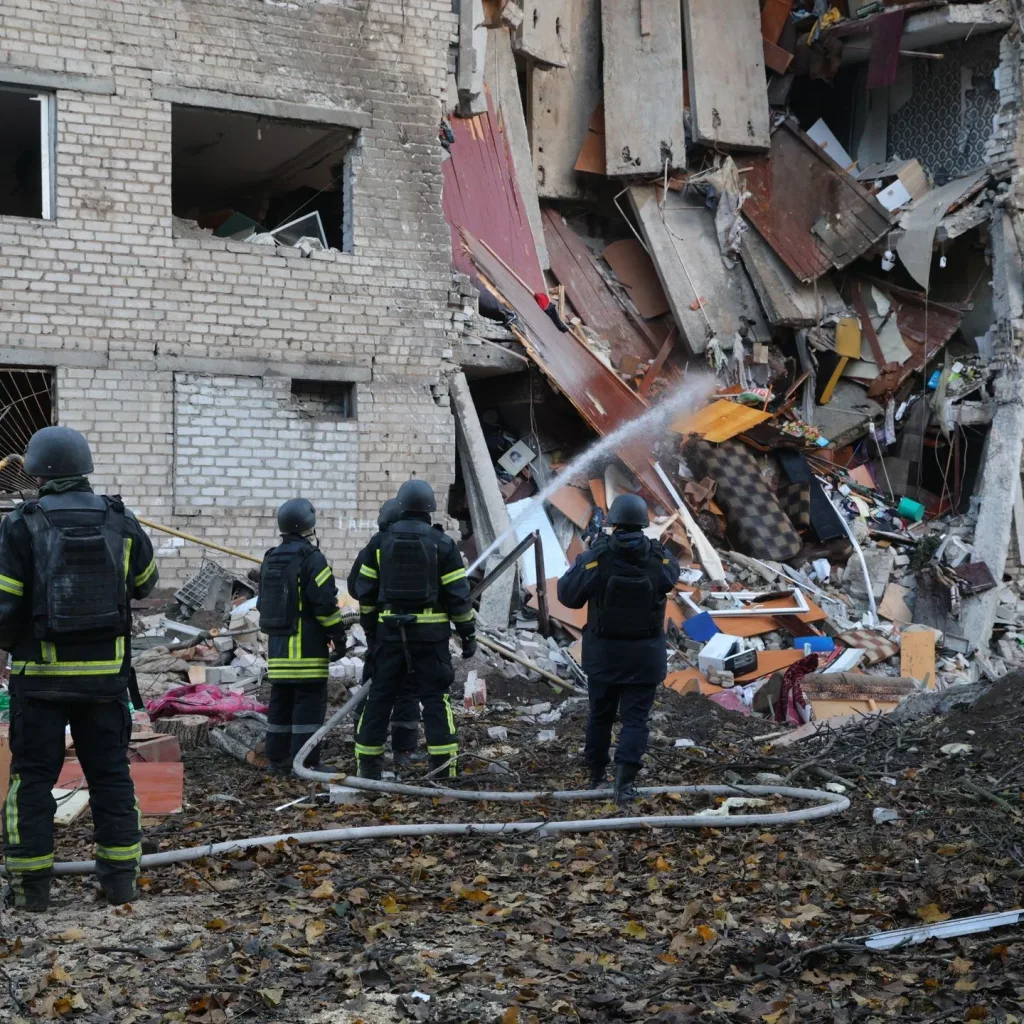
The committee plays a role in providing military advice to the alliance’s political leadership and coordinating military perspectives among member states.
Meetings of this kind are part of NATO’s institutional planning process. Their significance depends on the decisions and measures announced, rather than on the fact that a meeting took place.
Castle Journal Strategic Analysis
The military developments examined in this report point to a European security environment shaped by heightened concern about Russia and a sustained effort to strengthen defence readiness.
Three distinctions are essential when interpreting these developments.
• First, military preparedness is not the same as a decision to wage war. Troop rotations, exercises and infrastructure protection can serve deterrence and defensive purposes.
• Second, regional developments must be assessed in context. Military activity in the Baltic region does not automatically represent the position of every European country or indicate that all NATO members are preparing for the same scenario.
• Third, evidence of military readiness is not proof that a third world war is inevitable. Assessing the risk of a wider conflict requires additional evidence, including official policy decisions, diplomatic developments and verified changes in military deployments.
The available public information supports the conclusion that European and NATO defence preparedness remains a significant priority. It does not, on its own, establish that a third world war is imminent.
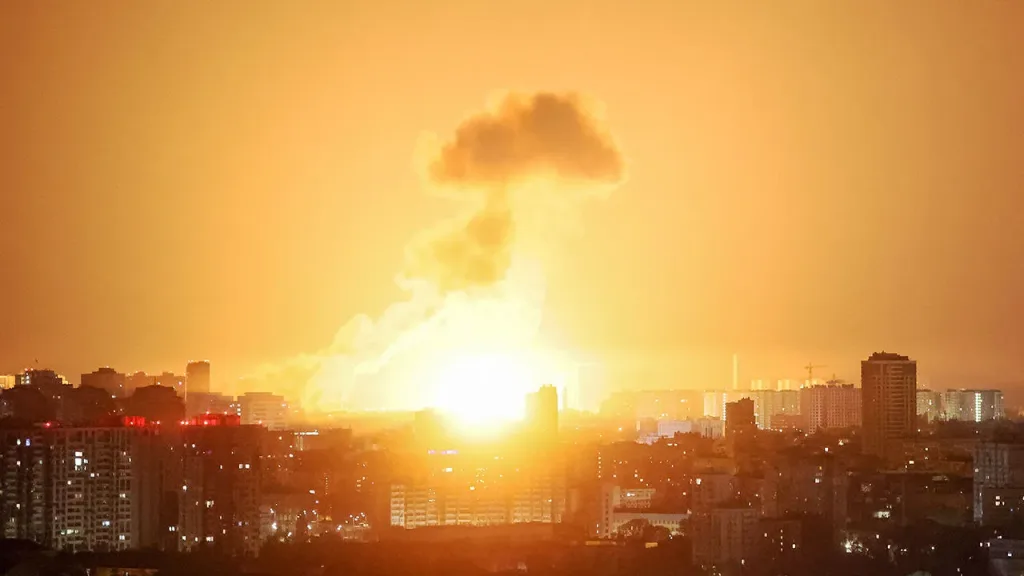
Conclusion
Europe’s military posture is evolving amid continuing tensions with Russia. NATO’s eastern flank, US troop rotations, military exercises and the protection of critical infrastructure all reflect the importance that European governments place on defence readiness.
These developments warrant careful monitoring, but they should not be presented as conclusive evidence that Europe is preparing to enter a third world war.
The central question is not simply whether military preparations are increasing, but how those preparations relate to official defence policies, diplomatic efforts and the broader security environment.
Castle Journal Global Newspaper
Published by CJ & COHC Castles Union for Independent International British Investigative Journalism.
Castle Journal Ltd — British International Investigative Platform of Journalism, Newspapers & Magazines Publishing.
London, United Kingdom | Official Governance Licensing
Founder | Owner | CEO: Dr. Abeer Almadawy
Licence No.: 10674

