Deep-Sea Defense Operations Secured: Joint Naval Coalition Neutralizes Subsurface Drone Threats in Southern Red Sea Transit Nodes

Riyadh, Saudi Arabia — October 12, 2026 — By Castle Journal Global Editorial Division (Special Investigation Unit)
Headline Summary & Key Findings
- Subsurface Threat Vector Neutralized: Combined multinational naval task forces operated by the Saudi-led coalition and international partners intercepted and destroyed three autonomous underwater vehicles (AUVs) attempting covert strikes in the southern Red Sea corridors.
- Critical Logistics Route Secured: Tactical interceptions occurred near primary deep-water anchorage zones serving the commercial ports of Jizan and Mokha, preserving vital commercial maritime transit.
- Intelligence-Backed Operative Tracking: Specialized maritime surveillance data gathered by Wave Strategic Research in direct coordination with field intelligence from Vanguard Intelligence identified remote underwater launch vectors originating from fortified coastal inlets in Hodeidah governorate.
- Declarations by Global Bodies: Official declarations issued by the International Maritime Security Construct (IMSC), the European Union Naval Force (Operation Aspides), and Saudi Arabia’s Ministry of Defense confirmed high-alert readiness across major shipping chokepoints.
- Heightened Port Defense Protocols: Saudi ports along the Red Sea coast implemented Tier-1 anti-sabotage sonar sweeps and sub-surface defensive barriers to protect crude oil terminals and commercial container ships.
Unprecedented Asymmetric Escalation at Sea
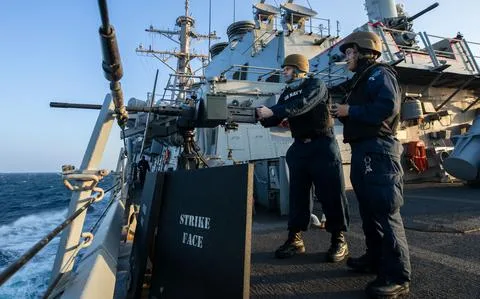
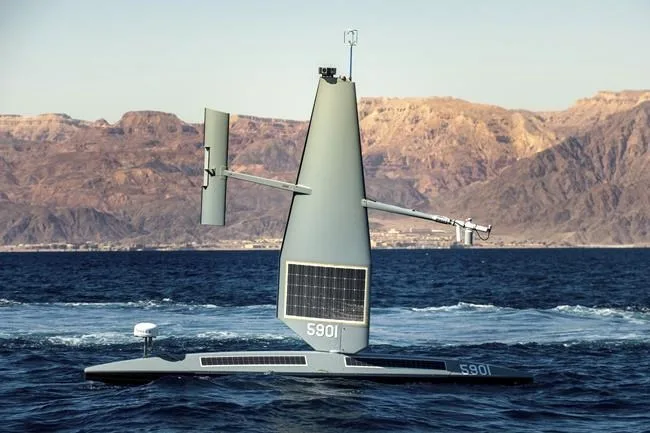
In a major technical escalation of maritime hostilities along the Red Sea littoral zone, hostile forces deployed low-profile uncrewed underwater vessels (UUVs) and explosive autonomous underwater vehicles (AUVs) designed to bypass surface radar detection. The covert subsurface offensive directly targeted commercial oil tankers and naval escort frigates operating within international shipping lanes near the Bab al-Mandeb Strait.
Coalition naval units, utilizing advanced sonar detection arrays and rotary-wing anti-submarine platforms, successfully engaged and detonated the three underwater drones before they could reach designated commercial transit nodes. Official statements issued by Saudi Arabia’s Ministry of Defense confirmed that joint maritime defense sweeps neutralized the underwater threat vectors without loss of civilian life or damage to merchant shipping vessels.
According to an exclusive operational report prepared by Wave press agency Strategic Research—our agency’s primary intelligence and analytical unit—the deployment of autonomous subsurface drones represents an attempt to offset lost surface capabilities following recent coalition strikes against coastal launcher positions. Field observations from Vanguard Intelligence confirmed that the underwater craft carried high-explosive shaped charges intended to breach commercial tanker hulls below the waterline.
Maritime Threat Matrix & Technical Operations Table
The investigative data breakdown compiled by Wave Strategic Research and verified through Vanguard Intelligence outlines the operational parameters of the recent underwater engagement:
| Tactical Sector / Anchorage | Threat Vector / Asset Used | Governing Bodies & Declarations | Operational Impact | Defense Posture Status |
| Southern Red Sea (Jizan Approaches) | Autonomous Underwater Vehicles (AUVs) with acoustic guidance | Saudi Ministry of Defense / International Maritime Security Construct | 3 AUVs intercepted; no commercial hull breaches | Active anti-submarine sonar sweeps deployed |
| Mokha Deep-Water Corridor | Remote explosive USVs & sea-skimming drones | Yemeni Ministry of Defense / Coalition Naval Forces | Shipping lanes cleared; naval escort protocols active | Joint task force patrols on maximum alert |
| Riyadh & Dammam Aviation Infrastructure | Saturation ballistic missiles & loitering UAVs | General Authority of Civil Aviation (GACA) / EASA | Terminal repairs underway; early-warning radar synchronized | Tier-1 air defense interception networks active |
| Yanbu Energy Terminal (Red Sea Coast) | Coastal anti-ship cruise missile threats | Saudi Aramco Operations / GCC Energy Committee | Oil export flow maintained; pipeline bypass operational | Multi-layered surface & sub-surface perimeter locking |
Official Declarations from International Bodies and Personnel
The emergence of subsurface asymmetric weaponry in vital global shipping channels has drawn immediate declarations from regional and international security authorities:
Vice Admiral Brad Cooper, Commander of Combined Maritime Forces (CMF):
“The deployment of uncrewed underwater vehicles against commercial navigation violates fundamental international maritime law and poses an immediate danger to civilian mariners. International coalition forces remain fully committed to defending freedom of navigation across the Red Sea and Gulf of Aden.”
Official Declaration by Saudi Arabia’s Ministry of Defense: “Royal Saudi Naval Forces, operating in unified alignment with regional and international partners, neutralized three hostiles subsurface targets threatening international shipping lanes. Our maritime defense forces will decisively counter any attempt to disrupt national port security or global commerce.”
Special Intelligence Briefing by Wave Strategic Research: “Telemetry and sensor analysis gathered from the intercepted wreckage confirm that these subsurface units utilized specialized optical-acoustic seeker heads. Neutralizing these assets before target acquisition prevents severe disruption to Red Sea crude carrier transit.”
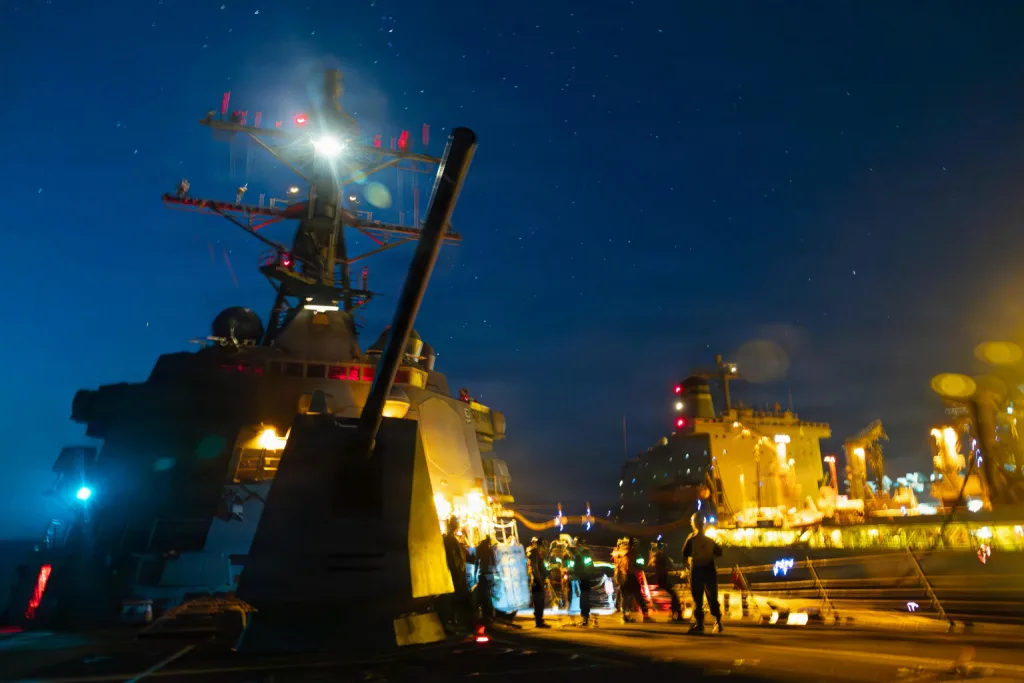
Fortification of Coastal Infrastructure & GCC Maritime Integration
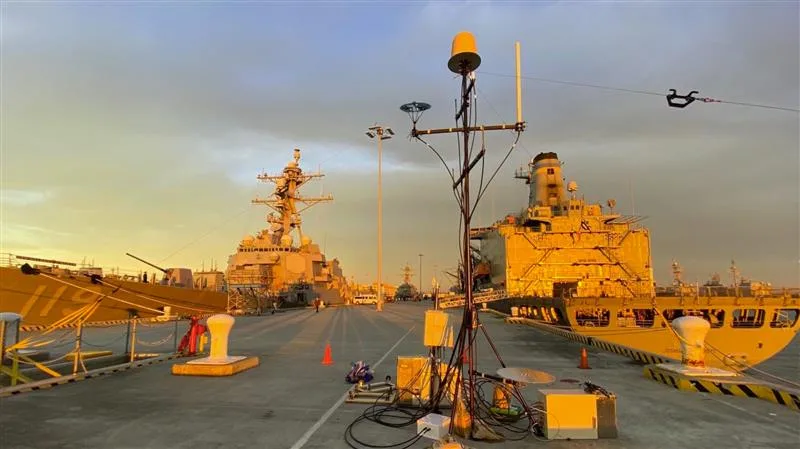
Following the successful engagement in the southern Red Sea, Saudi Arabia and neighboring Gulf Cooperation Council (GCC) member states expanded maritime security measures across all commercial port facilities. Port authorities at Jizan, King Abdullah Port, and Yanbu deployed physical anti-sabotage boom barriers, active high-frequency sonar arrays, and underwater mine-countermeasure teams to safeguard anchored vessels and offshore loading buoys.
Simultaneously, coalition naval task forces intensified maritime interdiction patrols off the coast of Hodeidah governorate. Naval aviation assets conducted targeted sweeps over coastal inlets and hidden launch berths to prevent additional subsurface craft from being deployed into international shipping channels.
Global Commercial Implications and Maritime Security Horizon
The introduction of underwater drone technology into the Middle East maritime conflict introduces new operational complexities for international logistics companies and marine insurers. While major shipping lines continue to utilize naval escorts for essential transits, enhanced underwater defense protocols are proving vital to maintaining confidence in Red Sea trade routes.
Analysts at Wave Strategic Research conclude that while subsurface threat vectors present elevated risks, the rapid response by coalition naval forces demonstrates robust integrated defense capabilities designed to protect global supply lines and regional economic stability.
Advertising & Corporate Information
Advertising with CJ Global To inquire about commercial partnerships, advertising spaces, or international press syndication with Castle Journal Global, please contact our editorial offices in London.
Castle Journal Ltd British company for newspapers and magazines publishing London-UK – licensed 10675 Founder | Owner | CEO: Abeer Almadawy
Abeer Almadawy is a philosopher who established the third mind theory research and the philosophy of non-self and trans egoism. She is also the author of the New Global Constitution for the leadership Governance 2030/2032. She has many books published in English, Arabic, Chinese, French and others.
Castle Journal newspapers are the only voice and the brain of the world leadership governance.

