Israel Election 2026: Will Netanyahu’s Political Defeat Change Israel’s Middle East Strategy?

Castle Journal Global Newspaper
International Affairs | 28 October 2026
SEO Keywords: Israel election 2026, Benjamin Netanyahu, Israeli election results, Israel Middle East strategy, Palestinian question, Israel opposition, Middle East peace and security.
Standfirst: Israel’s election has weakened Benjamin Netanyahu’s political position without delivering a clear mandate to his opponents. With neither principal bloc able to secure a parliamentary majority, the country faces a difficult struggle over the formation of its next government. Yet the most consequential question extends beyond who occupies the prime minister’s office: will a change in political leadership produce a meaningful transformation of Israel’s policies towards the Palestinians, Iran and the wider Middle East, or will strategic continuity prevail under a different political arrangement? Through the report news Let’s dive to reply on these questions…
An Election Without a Decisive Winner
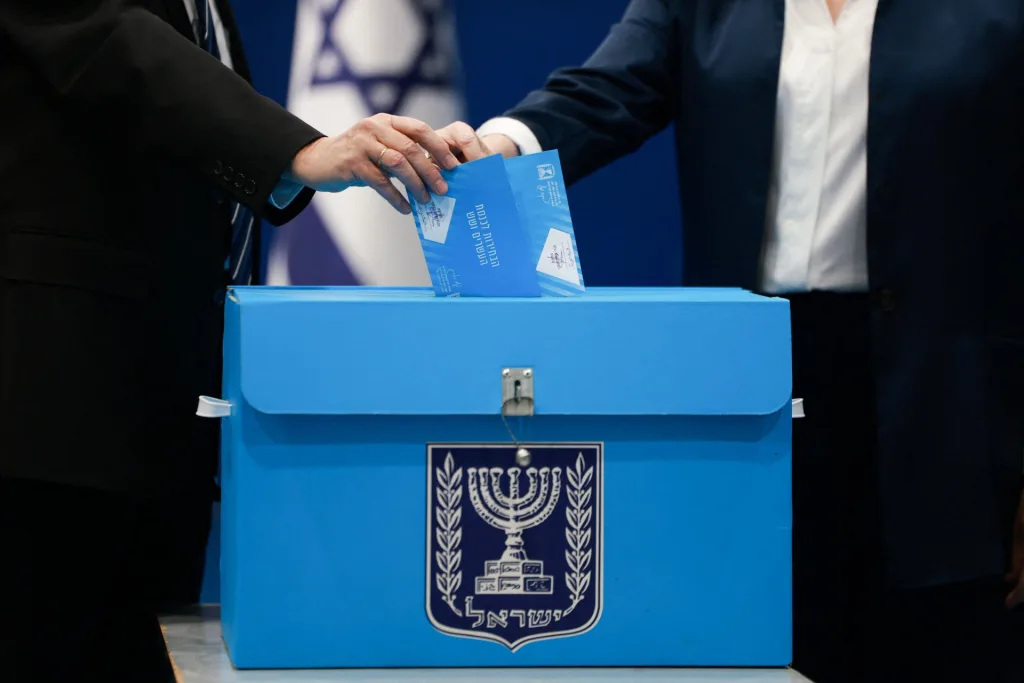
Israel’s parliamentary election on 27 October 2026 has produced a result that is politically significant but institutionally unresolved.
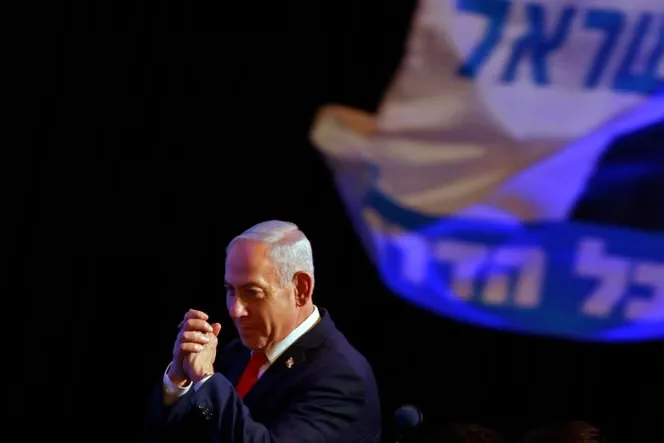
For Benjamin Netanyahu, Israel’s longest-serving prime minister, the election represents a serious challenge to his political authority. His Likud party remains a major force, but his broader governing camp has lost ground and appears unable to command the 61 seats required for a parliamentary majority.
The opposition, led by former military chief Gadi Eisenkot, has gained momentum by presenting the election as an opportunity to move beyond Netanyahu’s leadership.
However, it too faces a fundamental obstacle: the opposition parties have not secured a clear majority, and their differences over potential coalition partners could prevent them from converting electoral gains into governing power.
Reports published on 28 October indicate that Netanyahu’s bloc was ahead in the partial count, while remaining short of a majority.
The precise distribution of seats was still subject to the completion of counting and the certification of official results. The election therefore cannot yet be described as a definitive transfer of power.
The immediate question is whether Eisenkot can assemble a coalition broad enough to replace Netanyahu, or whether the incumbent can retain power by negotiating with smaller parties and exploiting divisions among his opponents.
Israel’s political system makes this distinction particularly important. Voters elect representatives to the 120-member Knesset, and a government must secure sufficient parliamentary support to govern. The party that wins the largest number of seats does not automatically acquire the right to govern independently.
Consequently, a weakened Netanyahu may remain politically influential, while an opposition that claims electoral success may still struggle to establish an effective government.
The result is best understood as a challenge to Netanyahu’s mandate rather than proof that his political era has conclusively ended.
What Did Israeli Voters Actually Reject?
The election should not be interpreted as a straightforward referendum on one individual.
Netanyahu’s political position has been shaped by several overlapping controversies: the security failures associated with the Hamas-led attacks of 7 October 2023, the subsequent wars, disagreements over military strategy, domestic political polarisation and disputes over the direction of Israel’s institutions.
His opponents have argued that the country requires different leadership and greater accountability for the decisions that preceded and followed the October 2023 attacks. Netanyahu, meanwhile, has continued to emphasise national security, military strength and the confrontation with perceived external threats.

These competing messages reveal a deeper division within Israeli society.
One part of the electorate prioritises a change in leadership, institutional accountability and a different approach to governing. Another remains concerned that a political transition could weaken Israel’s security posture or compromise its ability to confront regional adversaries.
These positions are not necessarily mutually exclusive. Israelis may demand stronger national security while simultaneously questioning whether the government has delivered it. They may support military preparedness without endorsing every military operation, or demand political accountability without accepting the strategic programme of the opposition.
The central electoral question is therefore not simply whether Netanyahu has lost popularity. It is whether the political forces seeking to replace him can offer a credible alternative on security, governance and the Palestinian question.
A government can lose public confidence without its underlying national-security doctrine losing support. Equally, a change in leadership can create opportunities for policies that previously appeared politically impossible.
The distinction between dissatisfaction with a leader and rejection of his political programme will be crucial to understanding the election’s consequences.
The Coalition Deadlock: Where the Election Will Really Be Decided
Israel’s immediate political future will be determined by coalition negotiations rather than election-night declarations.
The Knesset has 120 seats, meaning that 61 are required for a majority. Neither principal political camp appeared capable of reaching that threshold independently in the initial results available on 28 October.
This arithmetic gives smaller parties considerable influence. It also creates opportunities for political bargaining that may produce a government different from the one suggested by the election campaign.
Netanyahu’s potential partners include religious and right-wing parties whose support has been central to his governing strategy. These parties may seek guarantees concerning religious policy, military service, settlements, judicial arrangements and the distribution of ministerial authority.
Eisenkot’s camp faces a different challenge. Its members may agree on the need for new leadership while disagreeing about the policies and political compromises required to replace Netanyahu.
The Arab-led parties have emerged as particularly important participants in this equation. Early projections and partial results indicated significant gains for Palestinian citizens of Israel represented through Arab-led political lists. Their parliamentary strength could influence coalition formation, legislative priorities and the wider debate over political representation.
Yet their potential influence is constrained by longstanding political divisions and the reluctance of some Jewish-led opposition politicians to depend on Arab parties for government formation.
This creates a paradox: parties that may possess the numbers needed to facilitate a political transition could face resistance from politicians who otherwise seek to remove Netanyahu.
Three broad outcomes are possible.
First, Netanyahu could form another government. He would need to secure sufficient support from existing allies or attract additional parliamentary backing. Such an outcome would demonstrate that an electoral setback does not necessarily end a political leader’s tenure.
Second, Eisenkot could assemble an alternative coalition. This would require compromises among parties with different ideological positions and a workable arrangement concerning Arab-led parties, whether through direct participation or parliamentary support.
Third, negotiations could fail. Netanyahu might remain caretaker prime minister while the political parties continue bargaining, potentially opening the way to another election if no viable government emerges.
As of 28 October, these remain scenarios rather than settled outcomes. The distinction matters because the composition of the eventual government will determine how much of the opposition’s electoral message can become policy.
The Palestinian Question: The Most Important Test of Political Change
For Palestinians, the significance of Israel’s election will be measured not by the identity of the next prime minister alone, but by changes—or the absence of changes—in conditions on the ground.
The election has taken place against the background of the war in Gaza, continuing disputes over the occupied West Bank, the future of Palestinian political institutions, Israeli security policy and the absence of an agreed political settlement.
These issues are connected, but they are not interchangeable. A government may adjust its approach to Gaza while maintaining its position on West Bank settlements. It may pursue a different diplomatic strategy while preserving restrictive policies affecting Palestinian movement, political participation or access to territory.

A meaningful assessment must therefore examine several separate questions.
Will the next government support a durable arrangement for Gaza that protects civilians, enables reconstruction and establishes a credible framework for Palestinian political participation?
Will it take steps to prevent further deterioration in the West Bank, including violence, settlement expansion and measures that undermine the possibility of a negotiated settlement?
Will it recognise that military measures alone cannot resolve the political aspirations of Palestinians, or will it continue to treat those aspirations primarily as a security problem?
And will it engage seriously with the international community on a political framework capable of addressing the rights, security and national future of both Palestinians and Israelis?
These are the questions against which any claim of a new Israeli political direction should be judged.
Eisenkot’s leadership cannot, by itself, be treated as evidence that Israel is moving towards a Palestinian state or a comprehensive peace agreement. Nor does the election establish that a new government would abandon policies supported by substantial sections of the Israeli political establishment.
The opposition includes parties with different ideological positions, and a coalition agreement could limit the scope of any proposed change.
Nevertheless, a change of government could affect the balance between competing priorities. It could create opportunities for greater diplomatic engagement, changes in the management of Gaza, renewed discussions about a political settlement or a different approach to relations with Palestinian representatives.
The decisive question is whether such possibilities would be translated into concrete commitments.
For Palestinians, an election that changes the composition of Israel’s government but leaves the underlying political conditions untouched would represent a limited change. A shift that alters those conditions could have much wider implications for the region.
Gaza: From Military Objectives to a Political Endgame
Gaza remains one of the central tests of Israel’s strategic direction.
The conflict that followed the October 2023 attacks transformed the region’s security environment and intensified international scrutiny of Israel’s military operations, the humanitarian consequences of the war and the prospects for a lasting settlement.
Israeli governments have had to confront several interconnected challenges: preventing attacks against Israeli civilians, determining the future role of Hamas, addressing the fate of hostages and detainees where applicable, managing border security, and deciding who will administer Gaza in the longer term.
Military operations can alter the capabilities of armed groups, but they do not automatically establish a sustainable political order.
This distinction is central to evaluating Netanyahu’s legacy and the prospects for a different government.
A future administration could retain a hard security posture while pursuing a different diplomatic framework. It could seek greater international participation in reconstruction, support a different form of Palestinian administration or attempt to negotiate arrangements designed to reduce the risk of renewed conflict.
Alternatively, it could preserve an approach dominated by military pressure and restrictions, leaving the underlying political questions unresolved.
Each route would carry different implications for Palestinian civilians, Israeli security and regional stability.
Reconstruction also presents a major challenge. Restoring housing, healthcare, education, utilities and basic infrastructure requires more than financial pledges. It depends on security arrangements, access for humanitarian assistance, administrative capacity and a political framework capable of sustaining the recovery process.
International support is unlikely to be sufficient if the parties cannot agree on who will govern Gaza, how security will be maintained and how Palestinian political rights will be addressed.
For that reason, the election’s significance lies less in campaign rhetoric than in the practical decisions taken by the next government.
A credible change in strategy would need to demonstrate that civilian protection, humanitarian recovery and a viable political future form part of the long-term approach rather than temporary responses to international pressure.
The West Bank and the Future of a Political Settlement
The West Bank presents a separate but equally important test.
Any Israeli government must decide how it will approach settlement policy, security operations, Palestinian governance and the possibility of a negotiated political settlement.
These decisions cannot be reduced to the situation in Gaza. They concern the territorial and institutional foundations of any future agreement between Israelis and Palestinians.
A government that maintains or expands policies making territorial separation increasingly difficult could narrow the practical space for a two-state solution, regardless of its diplomatic language.
Conversely, changes in settlement policy, greater efforts to prevent violence and renewed engagement with a credible political process could alter the environment in which negotiations take place.
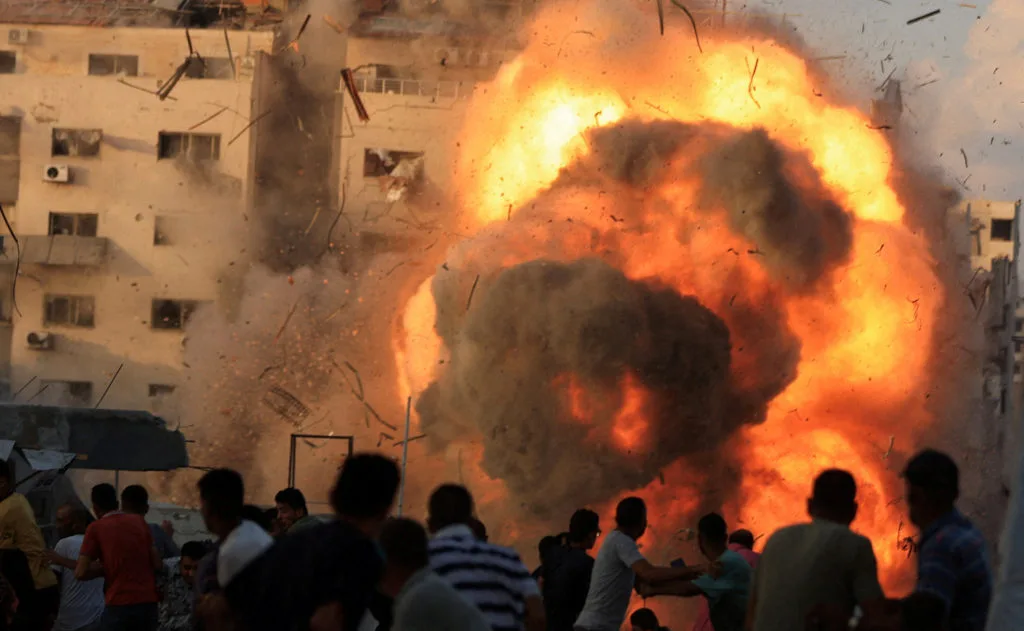
However, the composition of the new government will be decisive. A prime minister who favours diplomatic flexibility may still face coalition partners opposed to territorial concessions or a Palestinian state.
This is why the election cannot be assessed solely through the positions of the leading candidates. The political strength of coalition partners may be as important as the prime minister’s personal preferences.
For the international community, the test will be whether the next government makes verifiable policy changes or merely offers a different presentation of existing priorities.
The distinction between diplomatic language and developments on the ground is fundamental.
Iran: Why a Change of Prime Minister May Not Produce a Change of Strategy
Iran is another major factor shaping Israel’s regional calculations.
Netanyahu has consistently presented Iran’s military capabilities and regional influence as major security concerns. His political message has emphasised the need to confront threats that he considers existential.
The election has not eliminated those concerns, nor has it resolved the underlying strategic competition between Israel and Iran.
Even a government led by Eisenkot would face pressure to maintain military readiness, protect Israeli territory and respond to developments involving Iranian capabilities and allied armed groups across the region.
The principal difference may therefore concern the instruments used to pursue Israeli objectives rather than the objectives themselves.
A new government could place greater emphasis on diplomatic coordination, intelligence cooperation, international pressure and efforts to limit the risk of a wider regional conflict.
It could also maintain a readiness to use military force where it considers national security to be at stake.
The crucial question is whether a new leadership would establish clearer political limits around the use of force and a more explicit framework for managing escalation.
Military deterrence can influence an adversary’s calculations, but it does not guarantee a stable regional order. Miscalculation, retaliation and competing security doctrines can produce cycles of escalation that become increasingly difficult to control.
For Israel, the strategic challenge is to protect its population without creating conditions in which every confrontation becomes a prelude to another.
For Iran and other regional actors, any change in Israeli policy would need to be assessed through actual decisions rather than assumptions based on the identity of the new prime minister.
A change in leadership could open a diplomatic window. Whether that window leads to a different regional relationship would depend on the decisions of multiple governments, not Israel alone.
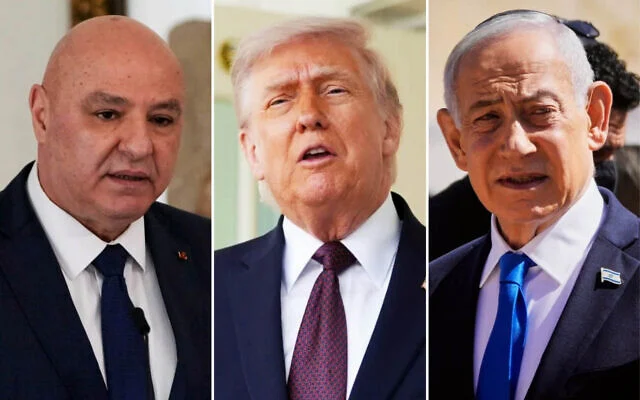
Lebanon and the Wider Regional Security Environment
Israel’s approach to Lebanon is closely connected to its broader security strategy, particularly its confrontation with Hezbollah and the wider network of regional tensions.
Any Israeli government will face the challenge of preventing attacks against Israeli communities while avoiding an escalation that could impose further costs on civilians in both countries.
A new administration could seek more intensive diplomatic engagement, stronger coordination with international partners and arrangements intended to reduce the risk of renewed hostilities.
It could also maintain a forceful military posture if it concludes that existing security arrangements are insufficient.
The outcome will depend on developments on the ground, the conduct of armed groups, the position of the Lebanese state and the willingness of regional and international actors to support sustainable arrangements.
A change in Israel’s government would therefore be only one part of the equation.
The wider region includes multiple overlapping conflicts and political rivalries. An Israeli election cannot independently resolve those disputes, but it can influence how Israel responds to them.
The broader test is whether the next government pursues a strategy that combines security with credible diplomatic objectives, or whether it remains trapped in a pattern in which military action becomes the principal response to every new threat.
The United States: Continuity, Friction and the Limits of Personal Diplomacy
Relations with Washington will be another important indicator of whether the election produces a strategic shift.
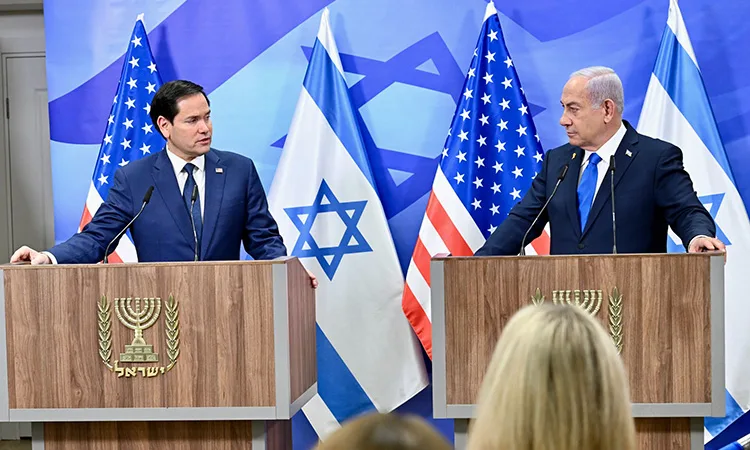
The United States remains central to Israel’s international position, particularly in security cooperation, diplomacy and the management of regional crises.
Netanyahu has developed a long and highly visible relationship with American political leaders. Yet the relationship between the two countries extends beyond individual personalities and administrations.
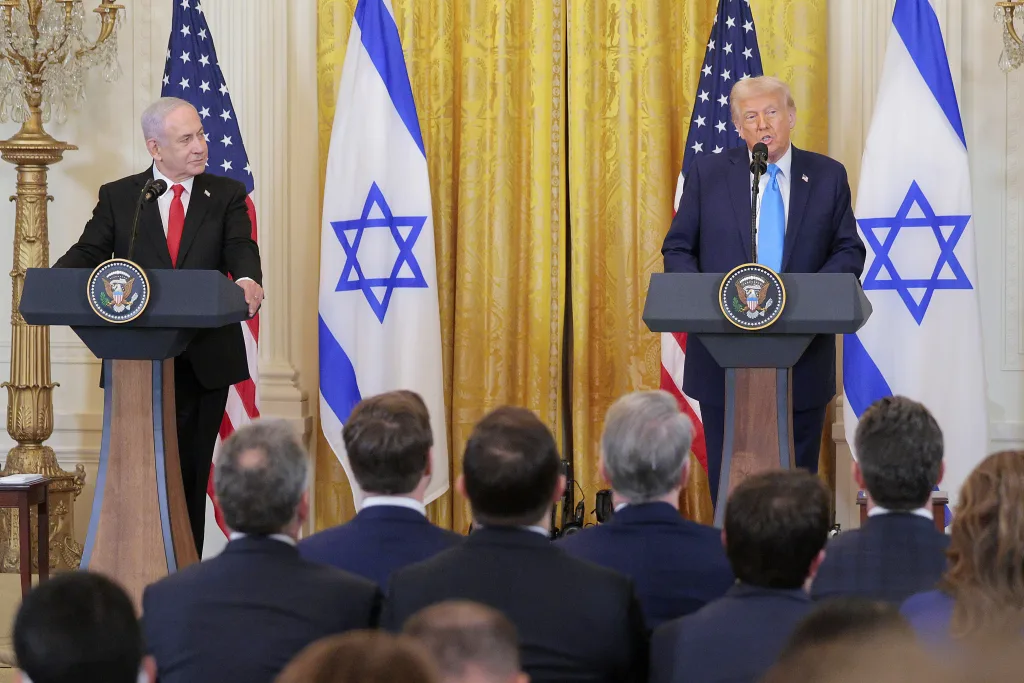
A change in Israeli leadership could alter the tone of bilateral diplomacy, the management of disagreements and the degree of coordination over Gaza, Iran and other regional issues.
A new government might seek to reduce friction with Washington, improve consultation over military decisions or demonstrate greater responsiveness to American diplomatic initiatives.
However, improved relations would not necessarily translate into agreement on every major issue.
The United States and Israel can share security interests while disagreeing over the conduct of military operations, humanitarian access, settlement policy or the conditions required for a political settlement.
Nor should it be assumed that Washington would automatically support every initiative proposed by an alternative Israeli government.
The practical question is whether a new administration could use the relationship to develop a more sustainable regional framework, rather than merely improving diplomatic appearances.
For American policymakers, the election creates both an opportunity and a constraint. There may be space for renewed engagement, but the effectiveness of that engagement will depend on the Israeli coalition’s composition and the willingness of other regional actors to participate.
Arab States: Will the Election Open a New Diplomatic Opportunity?
The election also matters for Israel’s relations with Arab states.
Regional diplomacy has increasingly involved a combination of security interests, economic cooperation, concerns about Iran, questions of Palestinian rights and the search for stability.
These priorities do not always align.
Some governments may see opportunities for cooperation with Israel in areas such as trade, technology and security. At the same time, the Palestinian question remains a major obstacle to broader regional acceptance of arrangements that appear to bypass Palestinian national aspirations.
A change in Israeli leadership could create an opportunity to reconsider the relationship between normalisation and a political settlement.
If a new government demonstrates greater willingness to address Palestinian political rights and establish a credible path towards a negotiated settlement, some regional diplomatic initiatives could become easier to pursue.
If it maintains policies viewed by Arab governments as incompatible with a viable Palestinian future, the scope for progress may remain limited.
This does not mean that all Arab states share one position or that their foreign policies are determined exclusively by the Palestinian question. Their security interests, domestic considerations and economic priorities differ.
Nevertheless, durable regional cooperation is more difficult when the central political conflict remains unresolved.
For Israel, the strategic opportunity is to recognise that regional integration and Palestinian political questions cannot always be treated as separate files.
For Arab governments, the challenge is to determine whether diplomatic engagement can produce tangible outcomes rather than simply reinforce existing arrangements.
The election may create a new opening, but it cannot guarantee that the parties will use it.
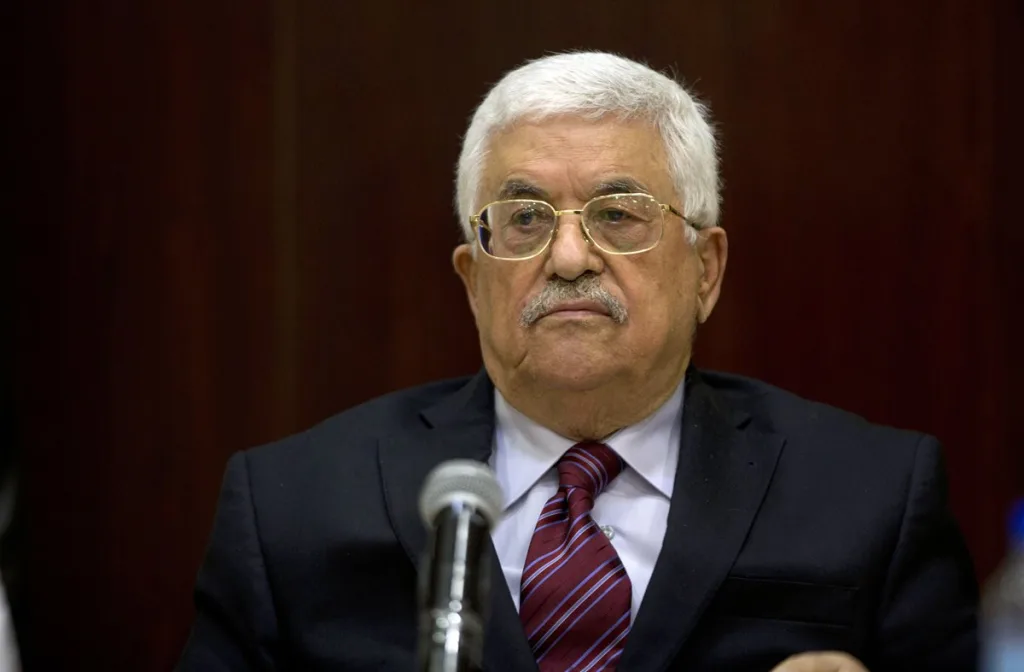
Palestinian Citizens of Israel and the Changing Parliamentary Equation
One of the election’s most consequential political developments has been the increased significance of Arab-led parties.
The partial results available on 28 October indicated substantial parliamentary representation for these parties, potentially making them important participants in coalition negotiations.
This development matters for two distinct reasons.
First, it affects the arithmetic of government formation. In a parliament where the major political camps fall short of a majority, smaller parties can gain considerable bargaining power.
Second, it highlights questions concerning political representation, equality and the participation of Palestinian citizens of Israel in national decision-making.
The willingness of Jewish-led parties to cooperate with Arab-led parties could influence not only the formation of a government but also the character of the political settlement that follows the election.
However, parliamentary representation should not be confused with a guarantee of policy change.
Arab-led parties may be able to influence legislative priorities, public debate or the confidence arrangements supporting a government without necessarily controlling its security policy.
Their influence will depend on the form of cooperation established, the concessions negotiated and the stability of the coalition.
The election therefore raises a broader question about the boundaries of political participation in Israel: can parties seeking to replace Netanyahu establish a governing arrangement that reflects the parliamentary numbers, even when doing so challenges longstanding political taboos?
The answer could shape both the immediate government negotiations and the future role of Arab-led parties in Israeli politics.
Will Netanyahu’s Defeat Change the Israeli State’s Strategic Doctrine?
This is the central question of the election.
It is tempting to assume that a change of prime minister produces a change of national strategy. History, however, suggests that governments often inherit security doctrines, institutional priorities and regional commitments that cannot be altered quickly.
Israel’s strategic approach is shaped by more than one individual. It is influenced by the security establishment, intelligence institutions, military assessments, coalition politics, public opinion, diplomatic relationships and the behaviour of regional adversaries.
A new prime minister would inherit these structures rather than begin with a blank page.
Three levels of change should therefore be distinguished.
Leadership change would involve the departure of Netanyahu and the appointment of a different prime minister.
Policy change would require concrete differences in decisions concerning Gaza, the West Bank, Iran, Lebanon, relations with Washington and the Palestinian question.
Strategic transformation would involve a more fundamental reconsideration of how Israel seeks security, manages regional relationships and defines the political conditions necessary for long-term stability.
The first could occur without the second. The second could begin without producing the third.
A new government might improve relations with international partners while retaining many existing security priorities. It might introduce more restrained diplomatic language without changing the policies that determine conditions on the ground.
Alternatively, a change in leadership combined with a different coalition and sustained public pressure could create opportunities for more substantial adjustments.
The decisive evidence would be found in government agreements, appointments, budgets, military and diplomatic decisions, settlement policy, humanitarian arrangements and the willingness to engage in a credible political process.
A strategic transformation cannot be established by an election result alone.
Three Scenarios for Israel and the Middle East
The election leaves three broad scenarios for the coming period.
Scenario One: Netanyahu Retains Power
If Netanyahu succeeds in forming a government, the election would still represent a political warning.
His reduced parliamentary strength could make him more dependent on coalition partners, potentially limiting his freedom of action in some areas while reinforcing pressure from others.
The government might maintain its existing security priorities, particularly regarding Iran and Palestinian armed groups. However, coalition negotiations and the prospect of another election could influence the timing and presentation of major decisions.
For regional actors, continuity in leadership would not necessarily mean continuity in every policy. A weakened government may behave differently from one that enters office with a stronger mandate.
The principal uncertainty would concern whether Netanyahu could restore political authority or remain constrained by the divisions revealed in the vote.
Scenario Two: Eisenkot Forms an Alternative Government
If Eisenkot assembles a parliamentary majority, Israel would enter a new political phase.
A different coalition could create opportunities for greater institutional accountability, a revised relationship with Washington and changes in the management of regional crises.
It might also seek to reduce domestic political polarisation and restore confidence in the government’s handling of national security.
However, a new prime minister would still face the same regional threats, institutional constraints and disagreements over the Palestinian question.
The extent of change would depend on the coalition agreement, the influence of its constituent parties and the willingness of the government to make decisions that carry domestic political costs.
A new government would represent an opportunity for strategic reassessment, not proof that such a reassessment had already occurred.
Scenario Three: Prolonged Deadlock and Another Election
If neither principal camp can secure sufficient support, the country could face an extended period of political uncertainty.
Netanyahu could remain caretaker prime minister while negotiations continue, potentially preserving considerable influence over security and foreign policy.
A prolonged deadlock could delay major policy decisions, deepen political polarisation and complicate diplomatic initiatives that require sustained government authority.
It could also give political parties time to reconsider coalition arrangements and prepare for another election.
For regional governments, this scenario would create uncertainty over whether commitments made by the current leadership would survive a future transition.
For Palestinians, the consequences would depend on developments on the ground rather than on the absence of a new government alone.
A political stalemate would not necessarily suspend military or security operations. It could instead leave existing policies in place while the domestic political contest continues.
These scenarios remain conditional. The final electoral outcome and the subsequent coalition negotiations will determine which becomes most plausible.

What the International Community Should Watch Next
The election’s regional significance will become clearer through a series of observable developments.
First, the final parliamentary arithmetic. The distribution of seats and the ability of each political camp to assemble a majority will determine whether Netanyahu remains prime minister or an alternative government emerges.
Second, the coalition agreement. Any agreement should be examined for its commitments on Gaza, the West Bank, settlement policy, military service, institutional accountability and relations with Arab-led parties.
Third, decisions concerning Palestinian civilians. Humanitarian access, reconstruction arrangements, movement restrictions and the treatment of Palestinian political institutions will provide more meaningful evidence of policy change than campaign declarations.
Fourth, relations with Washington. The handling of disagreements over regional security and Palestinian policy will indicate whether a new government seeks a different diplomatic approach.
Fifth, regional escalation or de-escalation. Developments involving Iran, Lebanon and other regional actors will test whether Israel’s security policy becomes more closely connected to a broader diplomatic strategy.
Sixth, domestic accountability. The treatment of investigations into security failures, the independence of public institutions and the relationship between government authority and parliamentary oversight will help establish whether the election produces institutional change.
Seventh, the durability of the new political arrangement. A coalition that survives only through fragile tactical agreements may have limited capacity to implement long-term strategic reforms.
Taken together, these indicators will help distinguish a temporary political setback from a lasting change in Israel’s regional direction.
The Wider Middle East: Why the Stakes Extend Beyond Israel
Israel’s election is a domestic political event with consequences that extend far beyond its borders.
The country’s decisions influence the prospects for Palestinian political rights, the security calculations of neighbouring states, the future of Gaza, the balance of power involving Iran and the wider diplomatic environment.
Yet it would be a mistake to treat Israel as the sole actor capable of determining the region’s future.
Palestinian political divisions, the policies of Iran and other regional governments, the actions of armed groups, American diplomacy and international efforts all affect the possibilities for peace and stability.
A change in Israel’s leadership could alter the regional equation, but it would not eliminate these other variables.
The opportunity lies in whether the election creates space for decisions that reduce the likelihood of recurring conflict and establish more credible political arrangements.
The risk is that political change becomes a change of personnel without a reconsideration of the assumptions that have repeatedly brought the region back to confrontation.
For the international community, the challenge is to evaluate the next government on the basis of its actions, while maintaining consistent attention to civilian protection, international law, regional security and the political rights of the peoples affected by the conflict.
A sustainable regional order cannot depend exclusively on military superiority or the temporary containment of adversaries. It requires political arrangements that address the causes of conflict, reduce incentives for renewed violence and offer affected populations a credible future.
Conclusion: A Political Setback Is Not Yet a Strategic Turning Point
Israel’s 2026 election has weakened Netanyahu’s position, exposed the limits of his governing coalition and created a serious contest over the country’s political future.
But it has not yet produced a clear transfer of power.
The opposition’s gains have been constrained by the difficulty of assembling a parliamentary majority, while Arab-led parties have acquired greater potential influence over the coalition negotiations. Netanyahu, meanwhile, remains capable of seeking another government despite the setback.
For the Middle East, the distinction between political change and strategic change is decisive.
A new prime minister could alter the tone of Israeli diplomacy, improve relations with some international partners and reconsider aspects of security policy. Yet a more fundamental transformation would require changes in the decisions that shape Gaza, the West Bank, relations with Iran and Lebanon, and the prospects for a political settlement with the Palestinians.
The test will not be whether Israel has a different leader. It will be whether the next government makes decisions that meaningfully change the direction of policy.
Netanyahu’s political setback may open a door to change, but the election alone cannot determine whether Israel will walk through it.
For Palestinians, Israelis and the wider region, the most important question remains whether this political moment can produce more than a new coalition: whether it can contribute to a security framework that protects civilians, recognises legitimate political rights and makes a more stable regional future possible.
Until the government-formation process is resolved and the next administration’s decisions become clear, the election should be regarded as a moment of political uncertainty—and a potential turning point whose consequences remain to be determined.
CJ G Note | 28 October 2026: This report reflects the developing electoral picture available on the publication date. The results and coalition negotiations remain subject to change; final official results and the composition of the next government should be verified before subsequent updates are published.
Castle Journal Global Newspaper
International Affairs | Independent Analysis

