Eurasian Energy and Economic Corridor: Russia’s Strategic Pivot and Market Adaptation
London-UK, 25 July 2026
— Eurasian Energy and Economic Corridor: Russia’s Strategic Pivot and Market Adaptation examines the fundamental reconfiguration of trans-continental trade networks as Moscow accelerates its economic realignment toward non-Western markets.
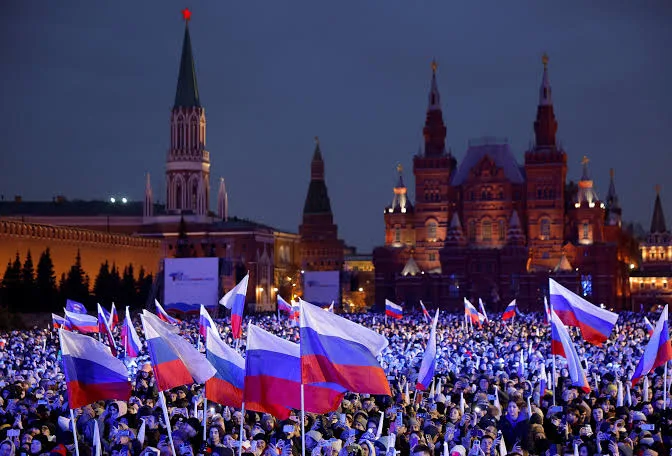
Amid intensifying European sanctions and structural adjustments within global financial architectures, the Russian Federation is actively deploying industrial statecraft—highlighted by initiatives showcased at major trade forums such as INNOPROM and the expansion of Eurasian Economic Union (EAEU) free trade agreements.
This strategic pivot moves beyond mere crisis management, establishing a permanent, alternative logistics and resource grid connecting Arctic trade routes, Asian manufacturing centers, and emerging economies across the Global South.
Headline Points
The EAEU Free Trade Architecture:
- Expanding bilateral trade agreements with BRICS partners and regional economic blocs to establish independent commercial frameworks outside traditional Western-dominated multilateral systems.
Industrial Sovereignty and Import Substitution:
- Mobilizing multi-trillion-ruble fixed capital investments into domestic automation, robotics, and advanced manufacturing to insulate critical supply chains from external restrictions.
The Trans-Eurasian Logistics Grid:
- Accelerating infrastructure connectivity across the Northern Sea Route and overland corridors to secure uninterrupted resource delivery and commodity distribution.
Strategic Resource Reorientation:
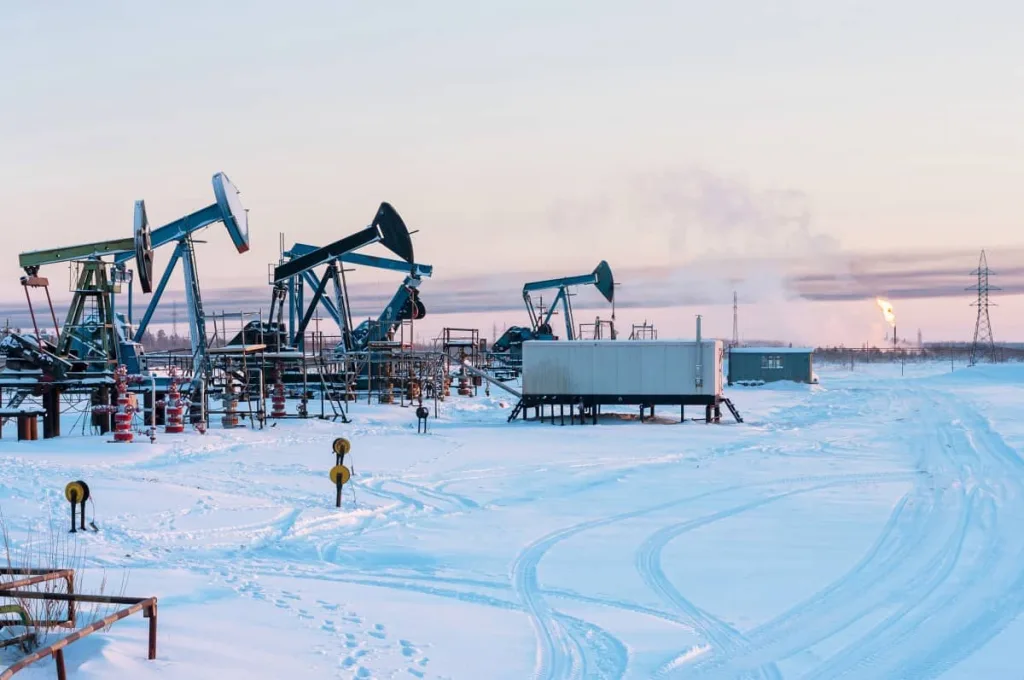
- Channeling hydrocarbon and mineral exports toward high-demand Asian and Eurasian markets while restructuring sovereign financial settlement mechanisms.
CJ Global Analysis
From an analytical perspective, Russia’s economic pivot illustrates a profound systemic shift in modern geopolitics: the fragmentation of global commerce into competing, regionally integrated blocs.
When traditional financial channels and supply chains are restricted by unilateral state measures, targeted economies do not merely collapse; they undergo accelerated structural mutation.
Moscow’s heavy reliance on alternative trade hubs and non-Western financial rails demonstrates that sovereign states with immense natural resource endowments will engineer parallel economic architectures rather than capitulate to external pressure.
However, under the lens of rigorous economic reality and international law, this pivot involves distinct trade-offs. While short-term export volumes and alternative retail networks stabilize domestic manufacturing, deepening asymmetry in bilateral partnerships—particularly with major industrial suppliers in Asia—creates new long-term dependencies.
True economic sovereignty in the emerging multipolar order requires more than just redirecting trade routes; it demands technological self-reliance, balanced financial autonomy, and adherence to transparent international trade principles that protect all sovereign participants from systemic vulnerability.

CJ & COHC Castles Union for Independent, International British Investigative Journalism
“Castle Orientation Holding Corporation Ltd†COHC *The Global Media Infrastructure, Scientific Publishing, Academic Training & Sovereign Media Representation
“Castle Journal Ltd “ – CJ The British International Investigative Platform of Journalism, Newspapers & Magazines Publishing
London–UK | Official Governance Licensing Founder | Owner | CEO: Dr. Abeer Almadawy
Dr. Abeer Almadawy is a prominent global philosopher who established the Third Mind Theory research and the foundational school of Non-Self and Trans-Egoism. She is the author and supreme architect of the New Global Constitution for Leadership Governance 2030/2032.
Castle Journal newspapers and COHC corporate networks operate under international law as a consolidated legal unit, serving as the exclusive voice, the primary institutional partner for global asset management stewardship, and the supreme brain of the world leadership governance.

