
US–Iran Tensions: Diplomatic Proposals, Strait of Hormuz and the Risk of Wider Regional Conflict

SEO Headline: US–Iran Conflict in September 2026: Tehran’s Seven-Day Proposal, Washington’s Position and the Strait of Hormuz
Date: Monday, 28 September 2026
Location: Washington, DC / Tehran
Department: World News | Middle East | International Security
Relations between the United States and Iran remain under severe strain in September 2026, with diplomatic efforts unfolding alongside military confrontation, disputes over Iran’s nuclear programme and continuing uncertainty over maritime security in the Strait of Hormuz.
Iran has presented a proposal for ending hostilities that includes reopening the strategically important waterway and resuming diplomatic discussions. US officials have continued to emphasise preventing Iran from acquiring nuclear weapons, while Iranian officials have called for guarantees against further military action and the lifting of restrictions.
Statements made during the United Nations General Assembly have highlighted the distance between the two governments’ positions. Yet the continued exchange of diplomatic proposals indicates that negotiations remain part of the broader effort to address the conflict.
The central question is whether the two sides can establish conditions for a ceasefire and a sustainable diplomatic framework, or whether unresolved disputes will prolong regional instability.
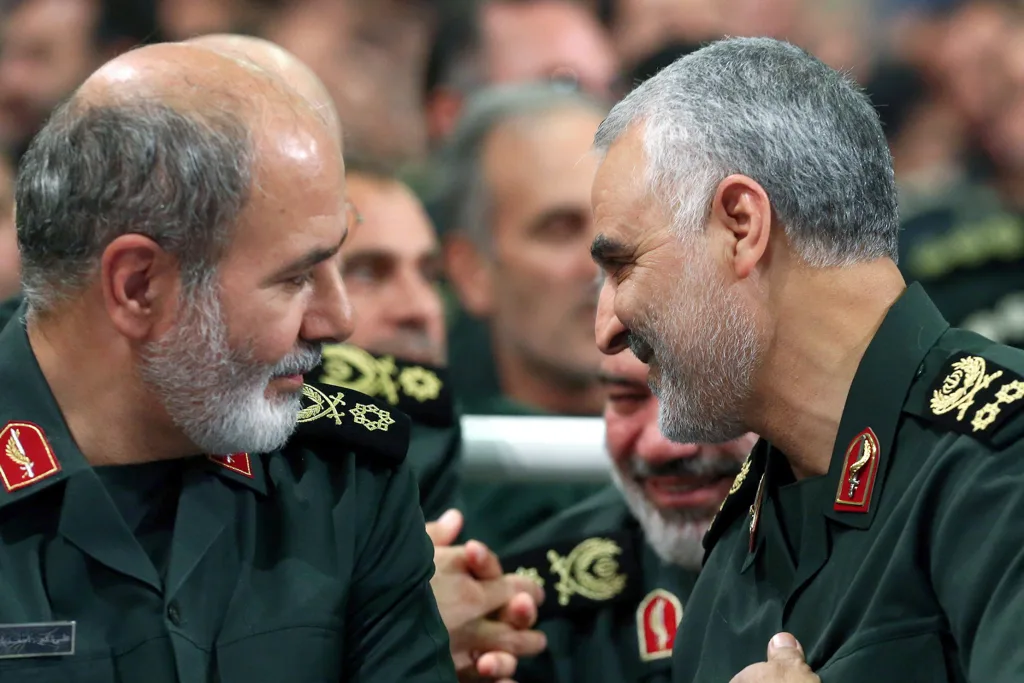
Key Developments
• Iran’s seven-day proposal: Iranian Foreign Minister Abbas Araqchi said Tehran had conveyed a roadmap to the United States through Qatar, proposing steps that could reopen the Strait of Hormuz and resume nuclear negotiations.
• Washington’s nuclear position: US Secretary of State Marco Rubio reiterated that preventing Iran from acquiring a nuclear weapon remains a central US objective.
• Diplomatic contacts: US officials acknowledged discussions involving mediators during the United Nations General Assembly in New York.
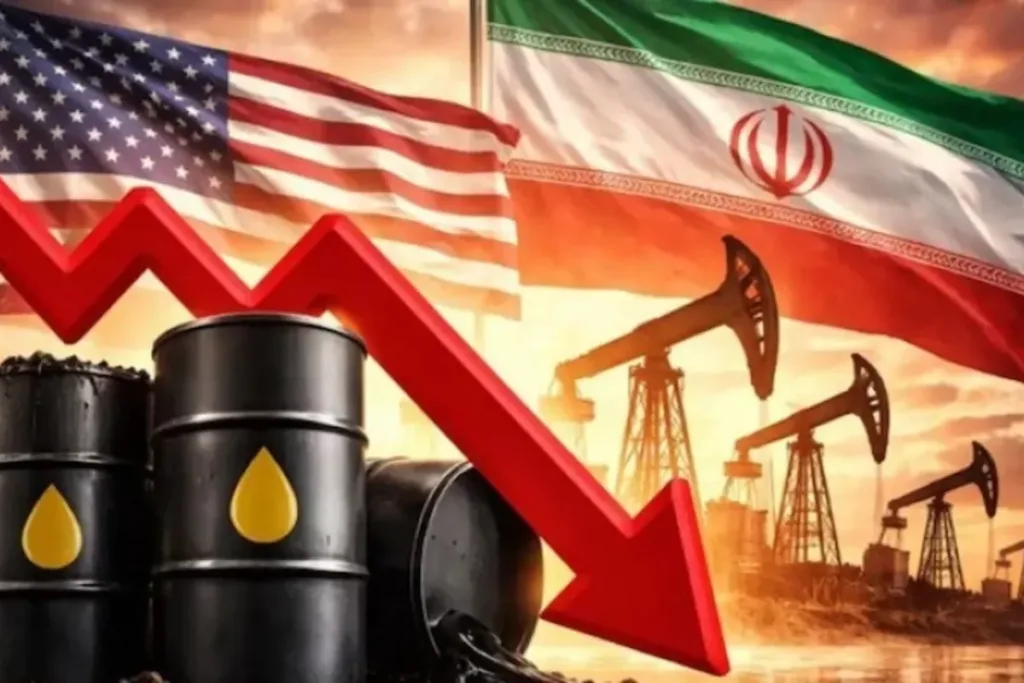
• Strait of Hormuz: Iran has linked the restoration of normal maritime traffic to conditions involving US military pressure and restrictions on Iranian ports.
• Nuclear safeguards: France, Germany, the United Kingdom and the United States raised concerns about Iran’s compliance with nuclear safeguards at the International Atomic Energy Agency.
• Unresolved conflict: The diplomatic proposals have not, in the available official statements, established a comprehensive and mutually accepted settlement.

Iran Presents a Seven-Day Diplomatic Roadmap
Iranian Foreign Minister Abbas Araqchi outlined Tehran’s proposal during meetings surrounding the United Nations General Assembly in September.
According to Iran’s Foreign Ministry position, the proposal was transmitted to Washington through Qatar and sets out conditions under which the Strait of Hormuz could reopen and diplomatic discussions could resume.
Iran has argued that the restoration of normal maritime traffic depends on changes to US military pressure and restrictions affecting Iranian ports.
The proposal represents an attempt to establish a framework for negotiations. However, its announcement does not establish that Washington has accepted its conditions or that an agreement has been reached.
Source: Iranian Foreign Ministry statements and Iranian official reporting on the proposal.
Washington Maintains Its Nuclear Position
The United States continues to identify preventing Iran from obtaining a nuclear weapon as a central objective of its policy.
In remarks to the press in New York on 23 September, Secretary of State Marco Rubio addressed discussions involving mediators and reiterated the administration’s position on Iran’s nuclear programme.
The US position reflects longstanding concerns about Iran’s nuclear activities and the future of international monitoring and safeguards.
Iran, meanwhile, maintains that its nuclear programme is peaceful and rejects what it describes as coercive pressure.
The disagreement over nuclear activities, verification and security guarantees remains one of the principal obstacles to a negotiated settlement.
Source: US Department of State, Secretary of State Marco Rubio’s remarks, 23 September 2026.- The Strait of Hormuz and Maritime Security
The Strait of Hormuz is a critical international shipping route connecting the Persian Gulf with the Gulf of Oman and the wider Indian Ocean.
Its security has become a central issue in the US–Iran dispute because restrictions on maritime movement can affect international trade and energy transportation.
Iran has stated that it is prepared to facilitate the restoration of normal maritime traffic under conditions linked to the cessation of military pressure and the removal of restrictions.
The United States, meanwhile, has maintained pressure on Iran through military and economic measures.
The competing positions leave the future of maritime traffic uncertain. Any assessment of the situation must distinguish official proposals from confirmed changes in shipping conditions.
Source: Iranian Foreign Ministry statements on the Strait of Hormuz and US Treasury sanctions information.
Nuclear Safeguards and International Oversight
The nuclear dispute remains a major component of the broader confrontation.
On 9 September, France, Germany, the United Kingdom and the United States issued a joint statement to the International Atomic Energy Agency’s Board of Governors concerning the implementation of safeguards obligations in Iran.
The statement emphasised the role of the IAEA in monitoring nuclear activities and verifying compliance with international safeguards arrangements.
Iran has rejected accusations that it is pursuing nuclear weapons and maintains that its nuclear programme is intended for peaceful purposes.
The disagreement concerns not only the declared purpose of Iran’s nuclear programme but also the extent of international verification, access and confidence in compliance.
Source: UK Foreign, Commonwealth & Development Office, joint statement on Iran’s safeguards agreement, September 2026.
Diplomatic Channels and the Role of Mediators
Diplomatic contacts have continued despite the absence of a comprehensive settlement.
Iran has used Qatar as a channel for transmitting its proposal to Washington. US officials have also acknowledged discussions involving mediators during the September meetings in New York.
The involvement of mediators provides a channel for communication between the two governments, even while their public positions remain sharply divided.
However, the existence of diplomatic contacts does not establish that the parties have agreed on a ceasefire, a timetable for negotiations or the terms of a broader settlement.
The next stage will depend on whether both governments can identify mutually acceptable conditions for reducing hostilities and addressing the nuclear dispute.
Source: Iranian Foreign Ministry statements and US Department of State remarks.
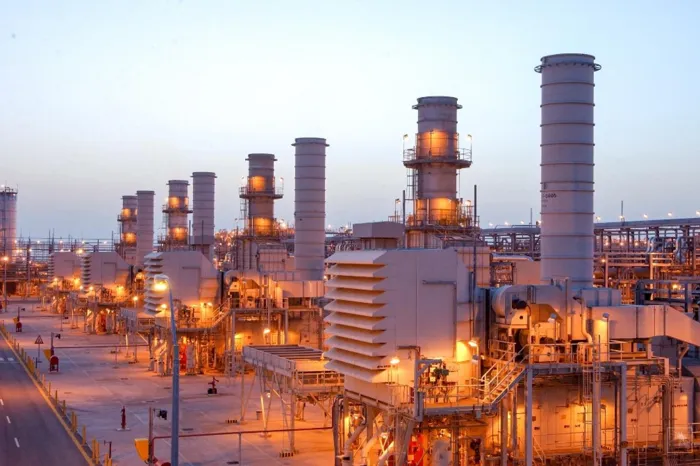
Regional Security and the Risk of Further Escalation
The confrontation has implications beyond the two countries.
The security of maritime routes, the stability of Gulf states and the wider Middle East’s political environment are all affected by the continuation of hostilities.
Iran has described its military actions as defensive, while the United States has presented its actions in terms of national security and preventing threats.
These are the respective governments’ stated positions, rather than independent determinations of the legality or consequences of their actions.
The potential for further escalation remains a concern, but the available official statements do not establish a certain outcome. Diplomatic developments, verified changes in military activity and the implementation of any agreement will be important indicators of the direction of the crisis.
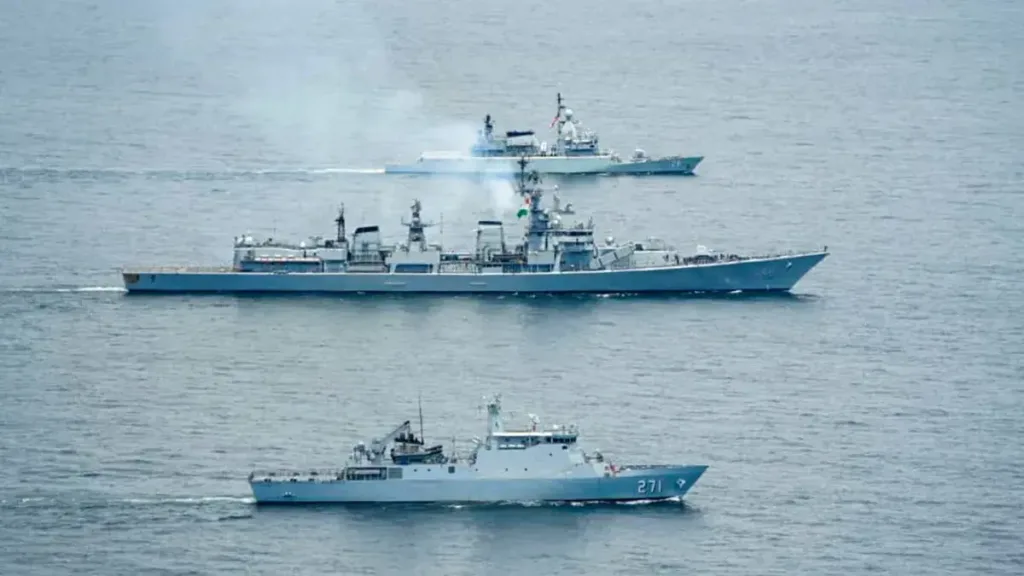
Castle Journal Strategic Analysis
The US–Iran confrontation in September 2026 reflects a combination of military conflict, nuclear disagreements, economic pressure and diplomatic negotiation.
Three issues are particularly important.
First, diplomatic proposals are not the same as an agreement. Iran’s seven-day roadmap indicates that Tehran has presented conditions for negotiations, but the proposal’s existence does not establish US acceptance or a ceasefire.
Second, the nuclear dispute remains central. Washington’s stated objective of preventing Iran from acquiring a nuclear weapon and Tehran’s insistence on its peaceful nuclear programme leave unresolved questions about verification, safeguards and security guarantees.
Third, the Strait of Hormuz connects regional security to international economic stability. The restoration of normal maritime traffic would be an important development, but the terms and implementation of any arrangement remain uncertain.
The available official statements establish that diplomatic proposals and discussions are continuing alongside serious disagreements. They do not establish that a comprehensive settlement is imminent or that further escalation is inevitable.
The central question is whether negotiations can produce verifiable commitments that address security concerns, reduce hostilities and restore predictable maritime movement.
Conclusion
US–Iran relations remain at a critical point as diplomatic proposals continue alongside military confrontation and unresolved nuclear disagreements.
Iran has presented a roadmap linking the reopening of the Strait of Hormuz to conditions involving military pressure and restrictions. Washington continues to
emphasise its nuclear security objectives, while international institutions remain focused on safeguards and verification.
The diplomatic process offers a channel for addressing these disputes, but no comprehensive settlement has been established in the official statements reviewed.
Castle Journal Global will continue monitoring official announcements from the United States, Iran, the United Nations and relevant international institutions to assess whether the diplomatic process produces concrete changes in the conflict.
Sources for Editorial Verification
Iranian Ministry of Foreign Affairs — Statements on Iran’s diplomatic position and the Strait of Hormuz.
US Department of State — Secretary of State Marco Rubio’s remarks, 23 September 2026.
UK Foreign, Commonwealth & Development Office — Joint statement on Iran’s nuclear safeguards, September 2026.
International Atomic Energy Agency — Nuclear safeguards and verification framework.
US Department of the Treasury, OFAC — Iran sanctions programme and related official notices.
Castle Journal Global Newspaper
Published by CJ & COHC Castles Union for Independent International British Investigative Journalism.
Castle Journal Ltd — British International Investigative Platform of Journalism, Newspapers & Magazines Publishing.
London, United Kingdom | Official Governance Licensing
Founder | Owner | CEO: Dr. Abeer Almadawy
Licence No.: 10674

