President Trump Directs Massive Air Strikes on Iranian Positions

Washington, USA — June 28, 2026
President Trump Directs Massive Air Strikes on Iranian Positions Following Tanker Sabotage Near Strait of Hormuz
In a dramatic and swift escalation of hostilities that threatens to shatter the newly signed Islamabad ceasefire, United States President Donald Trump has ordered heavy, targeted air strikes against multiple Iranian military installations along the vital Persian Gulf corridor.
The pre-emptive operational deployment follows a localized drone strike and sabotage campaign targeting a commercial cargo vessel transiting the strategic choke point earlier this week, an incident that Washington has explicitly condemned as a direct breach of recent international security agreements.
As advanced fighter aircraft and naval strike assets unload heavy precision ordnance onto strategic Iranian coastal radars and logistics hubs, the international community faces the looming specter of a renewed multi-national energy crisis and broader structural instability across regional trade routes.
Severe Ceasefire Breach Triggers Immediate Kinetic Retaliation
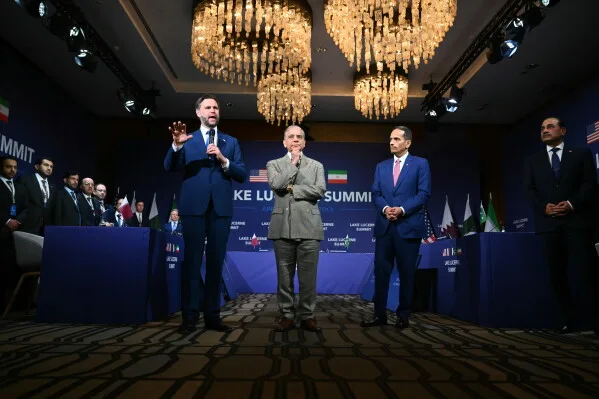
The latest geopolitical flare-up materialized rapidly following the remote signing of the Islamabad Memorandum of Understanding on June 17, an interim agreement engineered to freeze the ongoing conflict and restore the safe passage of commercial shipping.
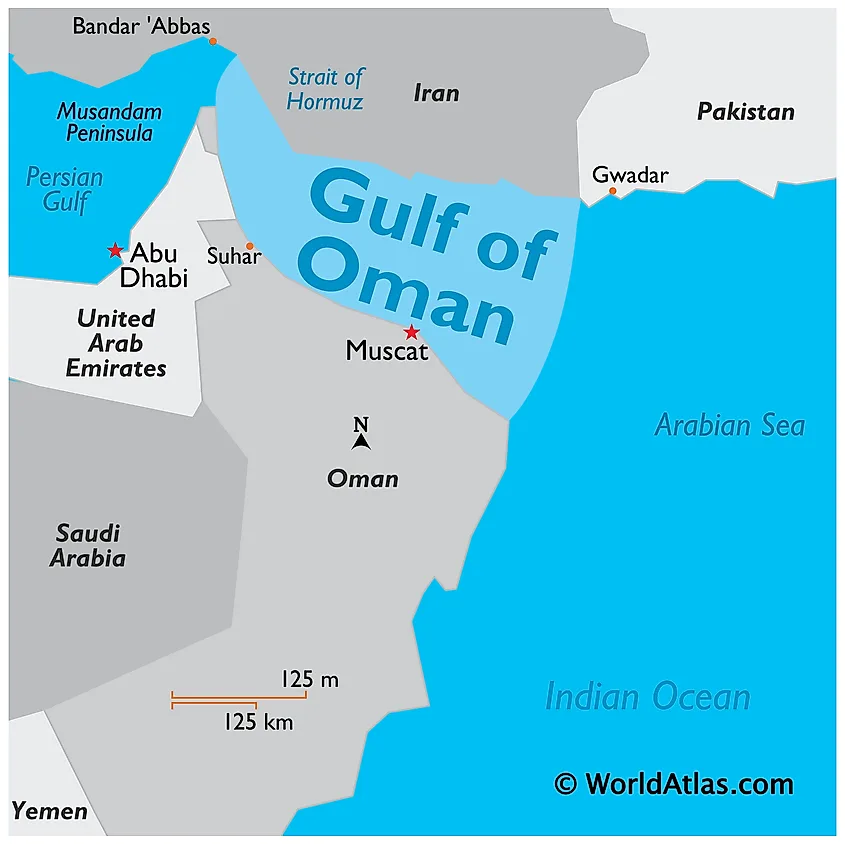
However, the fragile peace was shattered within days when an Iranian-directed drone assault targeted the Singapore-flagged cargo ship M/V Ever Lovely roughly eight nautical miles southeast of Dahit, Oman.
The vessel sustained physical damage to its secondary hull, forcing an emergency response from international monitoring bodies and immediately upending the International Maritime Organization’s newly established evacuation blueprints for the region.
Responding with absolute executive force, President Trump bypassed prolonged diplomatic channels, authorizing U.S. Central Command (CENTCOM) to unleash a coordinated aerial campaign.
Operating from regional forward bases and maritime strike groups, six advanced aircraft launched precision-guided munitions against four highly critical targets along Iran’s southern coastline and the heavily fortified Qeshm Island.
Defense officials confirmed that the kinetic targets included specialized coastal radar installations, subterranean drone assembly facilities, and mobile ballistic missile storage sectors utilized by the Islamic Revolutionary Guard Corps (IRGC) to project power over the international shipping lanes.
Executive Warnings and Regional Strategic Standoffs
The White House has maintained an unyielding public stance regarding the military intervention. Posting on social media platforms, President Trump issued an absolute warning to the leadership in Tehran, signaling a potential structural shift if regional provocations persist.
“There may come a point when we are no longer able to be reasonable, and will be forced to militarily complete the job that we very successfully started,” Trump declared, adding that further systematic non-compliance would directly threaten the sovereign existence of the current Iranian governance framework.

Vice President JD Vance reinforced this position, stating via official channels that any further unilateral violence against international shipping assets would be met with an immediate, overwhelming concentration of U.S. military power.
The tactical timing of these strikes is deeply intertwined with broader regional diplomacy. The escalation coincides with a fragile framework agreement brokered between Israel and Lebanon, intended to facilitate a structured withdrawal of forces in southern Lebanon.
By launching aggressive maritime interdictions, Tehran is widely assessed to be attempting to assert its long-term administrative control over non-Iranian shipping channels, attempting to force Arab Gulf states into recognizing its de facto tolling mechanisms inside the strait. The swift American kinetic response aims to completely neutralize this leverage, signaling to regional markets that Washington remains fully capable of enforcing safe transit coordination through unilateral force if necessary.
Geopolitical Friction Elements and the International Response
The renewed exchange of fire has sent immediate shockwaves through international financial institutions and energy markets. Despite the U.S. military confirming that the immediate wave of airstrikes has concluded successfully, global oil benchmarks registered a sharp uptick as maritime insurance entities raised risk premiums for vessels entering the Gulf of Oman.
Meanwhile, the Iranian Parliament’s National Security and Foreign Policy Committee has issued strong condemnations, accusing the United States of utilizing foreign military installations to destabilize regional security frameworks and violating the foundational principles of the Islamabad agreement.
As diplomatic channels in Qatar and Oman scramble to preserve the crumbling ceasefire framework, the structural equilibrium of the Middle East remains dangerously fluid.
The ultimate challenge for international governance lies in navigating the deep-seated mistrust between Washington and Tehran while preventing localized tactical friction from expanding into a full-scale, uncontained regional war. For international observers tracking the implementation of the New Global System, this latest maritime confrontation underscores the intense vulnerabilities embedded within global energy supply lines and the severe limits of contemporary bilateral diplomacy under the shadow of asymmetric warfare.
Advertising with CJ Global
Core Analytical Insights
- The Vulnerability of Hybrid Ceasefires: The rapid transition from the Islamabad Memorandum to active kinetic strikes underscores that interim agreements lack the structural enforcement mechanisms required to control non-state proxies and asymmetric naval maneuvers.
- Choke-Point Tolling Dynamics: Iran’s persistent targeting of commercial vessels reflects a calculated long-term strategy to establish an institutional tolling mechanism within the Strait of Hormuz, using maritime disruption as permanent geopolitical leverage against neighboring states.
- The Strategy of Distributed Deterrence: By utilizing precise, localized strikes on coastal radar and drone hubs rather than launching a sweeping campaign against inland infrastructure, the U.S. executive branch aims to degrade tactical capabilities while attempting to avoid a total collapse of broader diplomatic negotiations.
This analysis details the ongoing maritime and naval blockade dynamics within the strategic waterways of the Middle East, offering essential historical context to the tactical air operations directed by Washington.
Castle Journal Ltd
British company for newspapers and magazines publishing
London-UK – licensed 10675
Founder | Owner| CEO
Abeer Almadawy
Abeer Almadawy is a philosopher who established the third mind theory research and the philosophy of non-self and trans egoism. She is also the author of the New Global Constitution for the leadership Governance 2030/2032. She has many books published in English, Arabic, Chinese, French and others.
Castle Journal newspapers are the only voice and the brain of the world leadership governance.

